
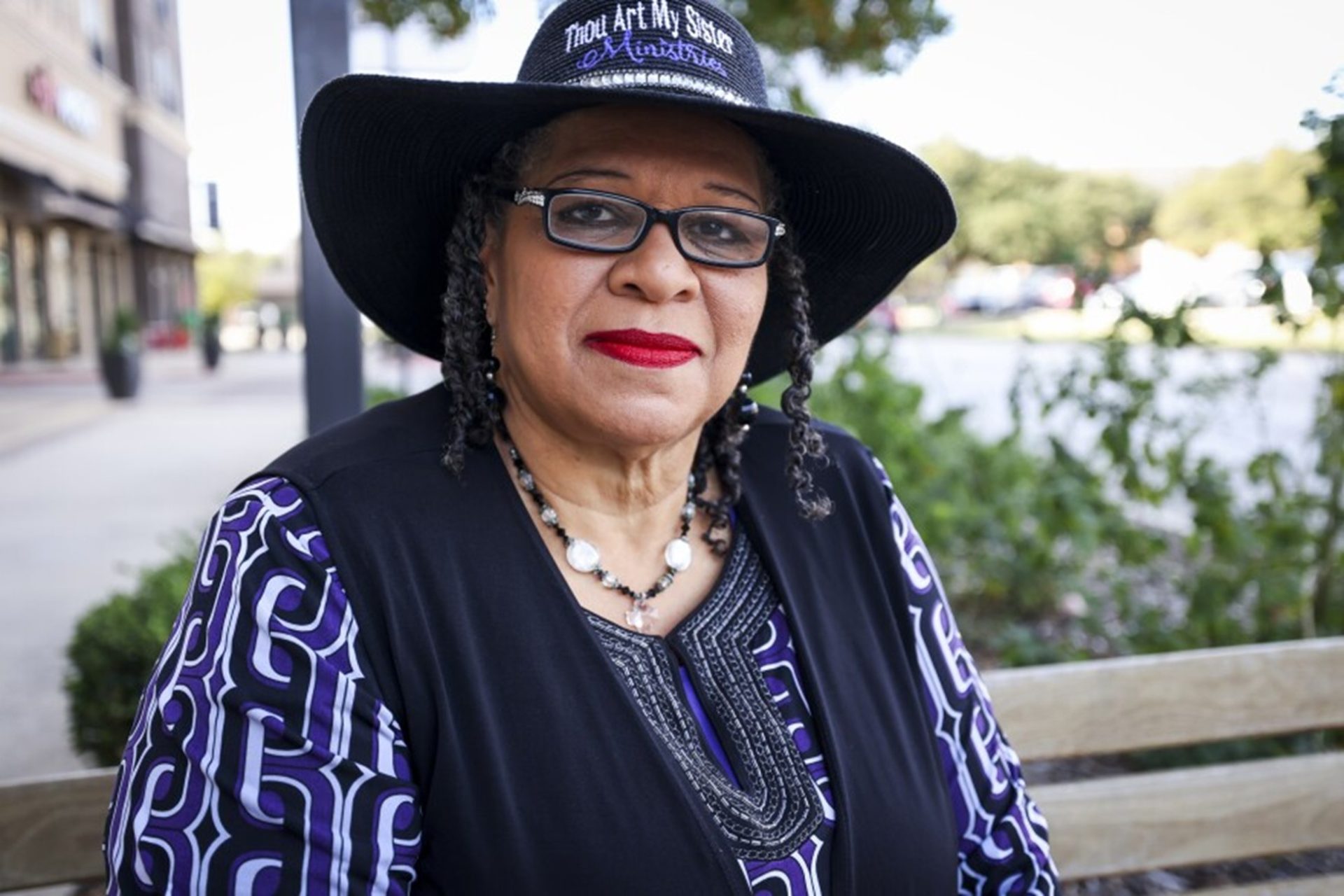

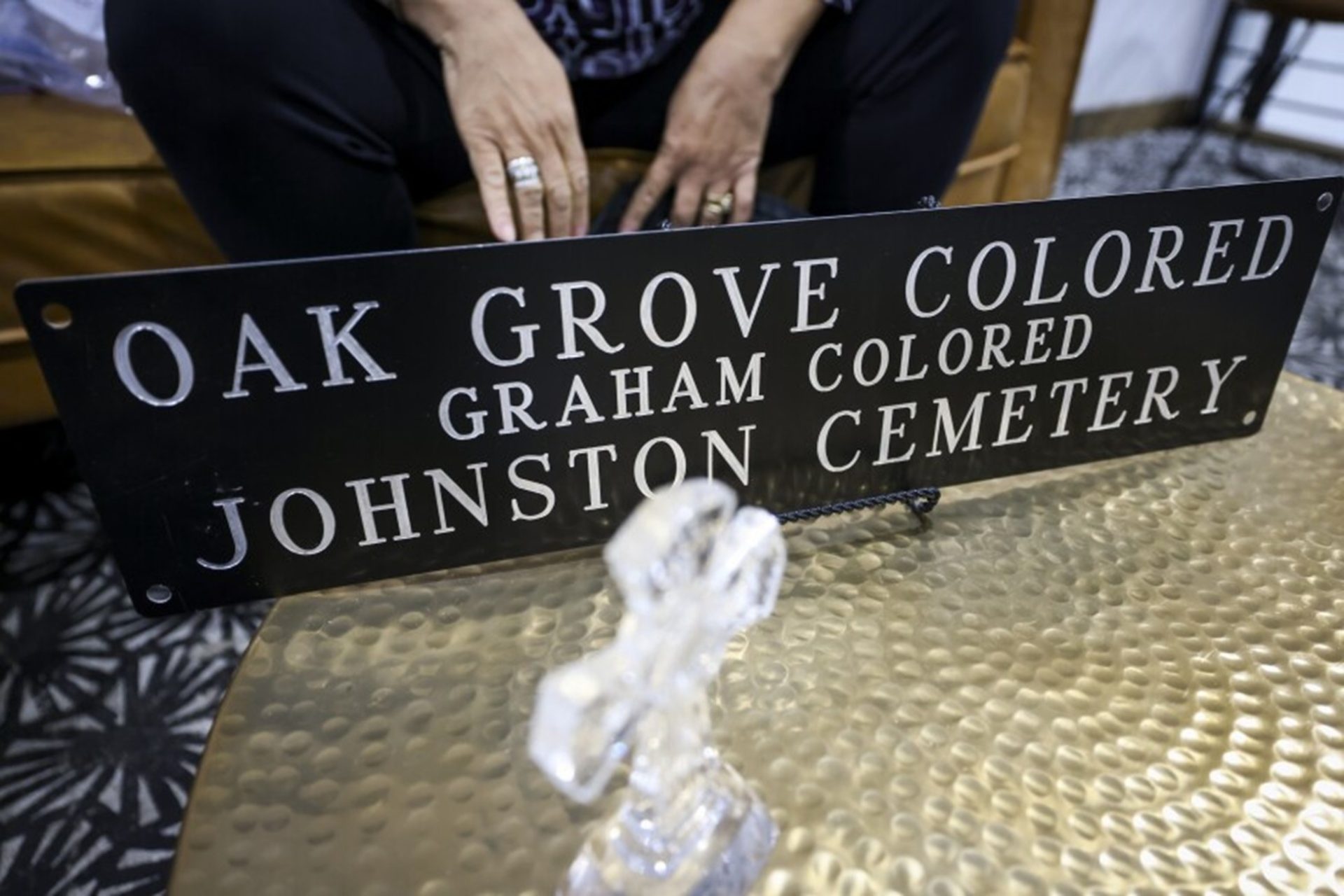
Sims, who lives more than 90 miles away in Denton, first visited the Oak Grove Colored Cemetery in Graham.cemetery to pay respects to her infant sister, who had been buried there in 1973. Upset at the state of the cemetery, Sims decided she would do something about it, which would eventually put her at odds with Young County, and spark a First Amendment fight.
Sims’ journey is not unprecedented – Black cemeteries across the country, particularly in the South, have been neglected, leading to the loss of local Black history.
Sims said she plans to continue advocating for the cemetery and getting the marker put up.
“The lack of financial resources or challenges do not distract me or discourage me from following up on any nugget of information that might be helpful in being the voice for the voiceless or marginalized people,” Sims told KERA in an email. “With faith, I simply move forward knowing that God always provides.”
Dylan Duke was a KERA news intern when he wrote this story. He is now a journalism graduate from the University of North Texas. He worked at the university’s paper and interned at D Magazine before coming to KERA.
Dylan’s coverage as an intern is impressive overall, including Farmers Branch, Highland Park to hold elections on leaving DART | KERA News and “Y’all Street,” like Swiss banking giant UBS investing in Uptown Dallas as ‘Y’all Street’ continues to grow | KERA News and KERA was delighted to hire him as a Breaking News Reporter for 2026.
He cares deeply about holding public officials accountable and making sure people understand how government decisions affect their daily lives. He breaks down complex policy and local government issues into clear, meaningful stories for both broadcast and digital platforms. He regularly uses public records, data and on-the-ground sourcing to explain not just what happened, but why it matters.