
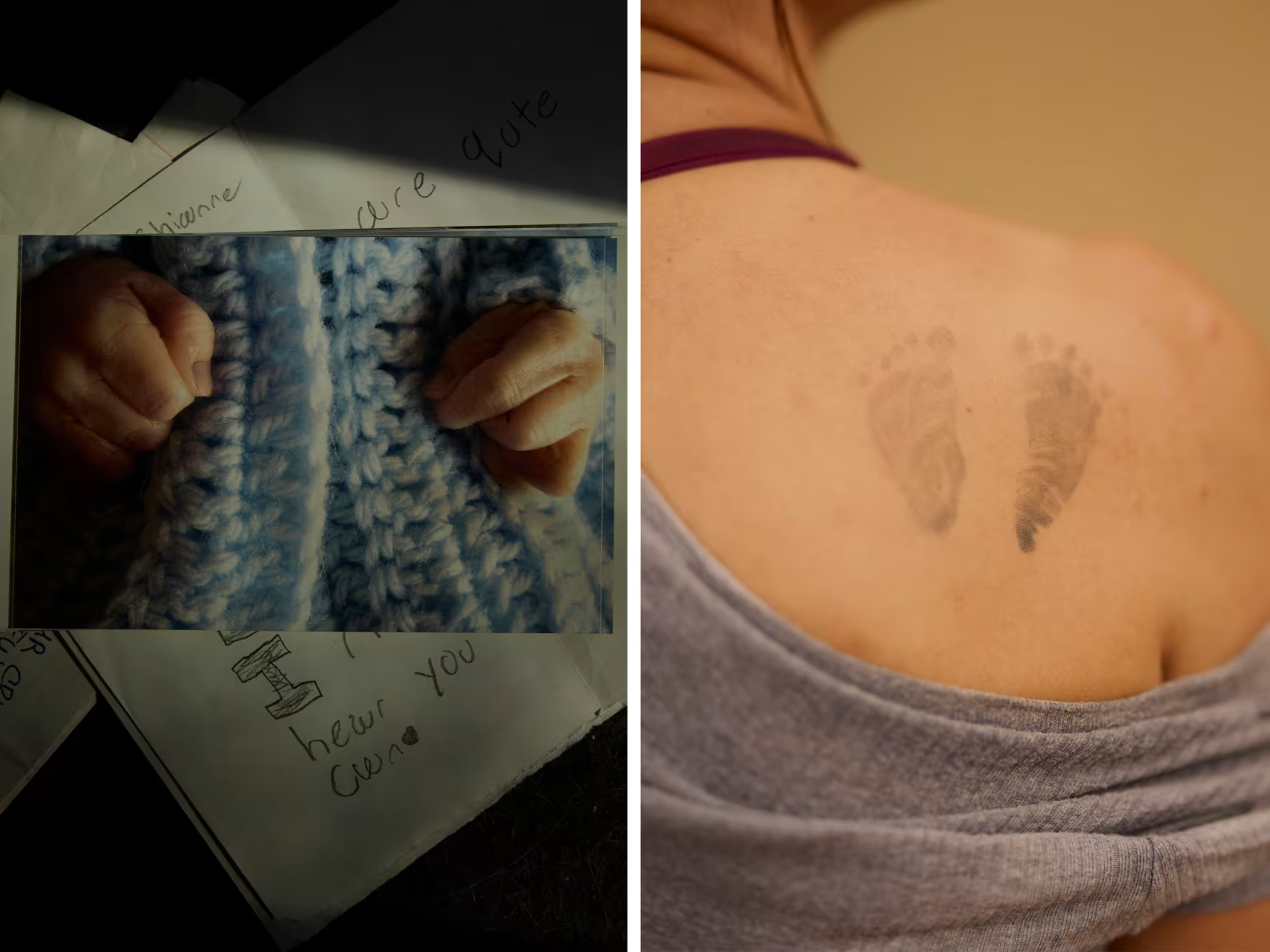
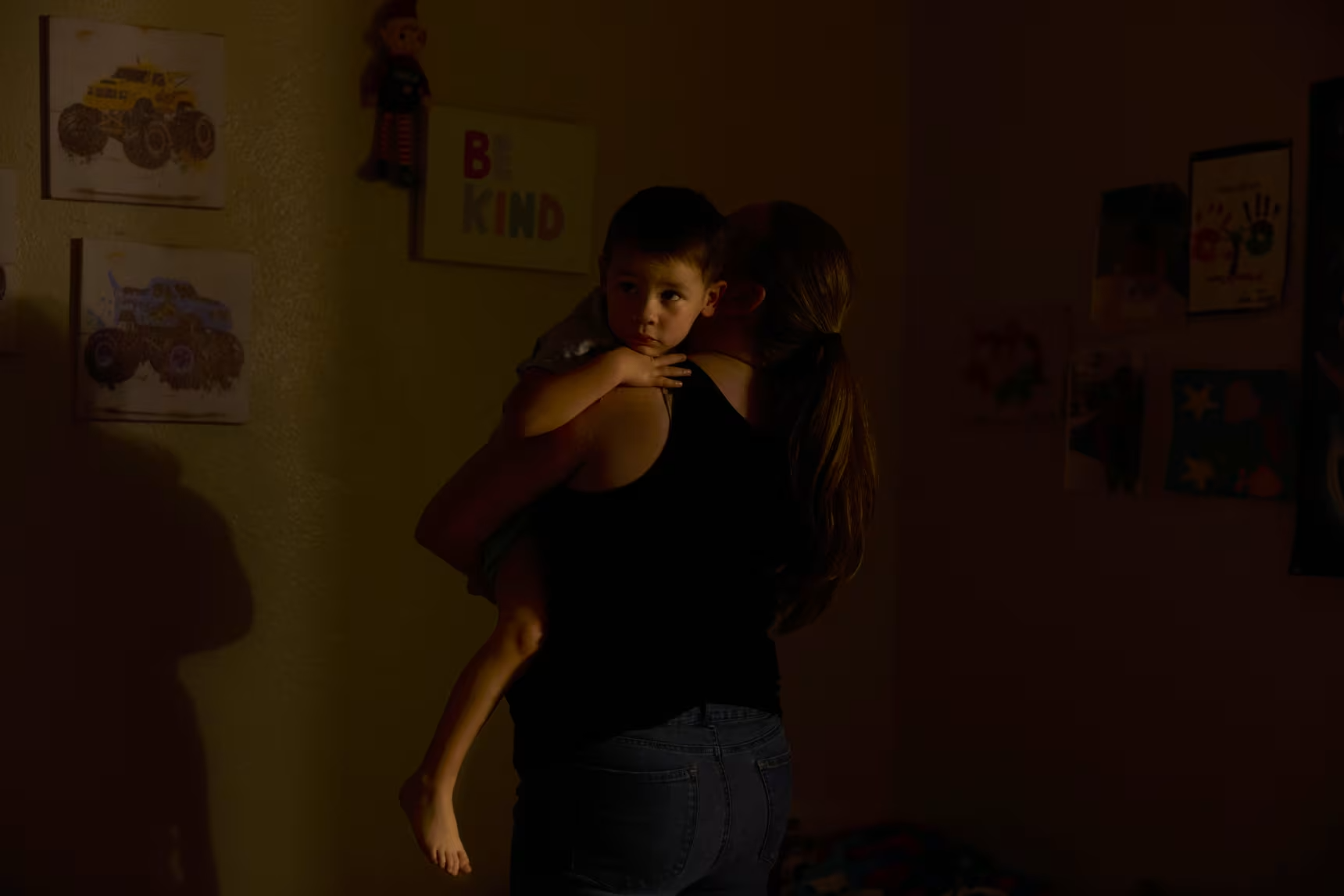
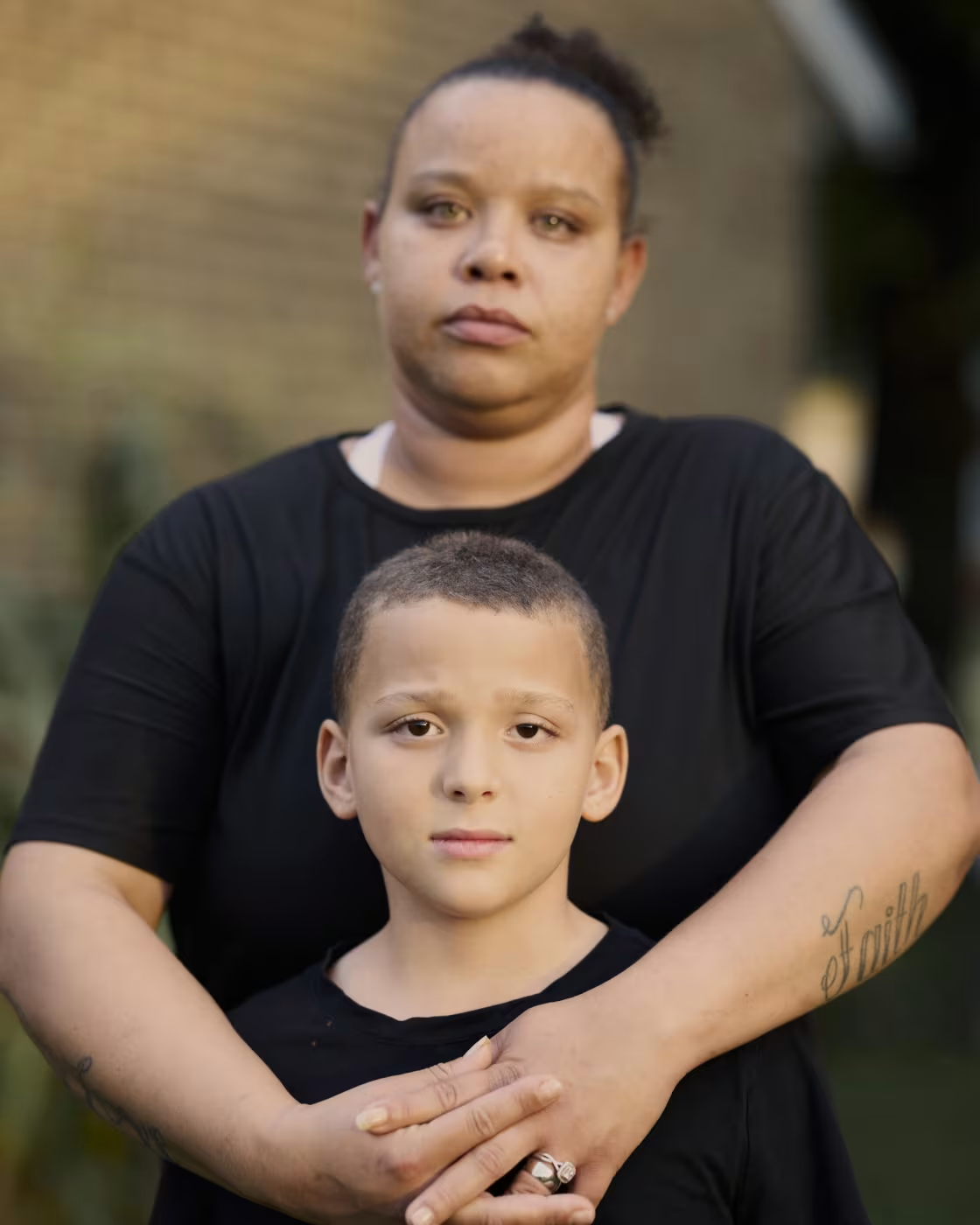
The accounts are horrific: Dozens of pregnant women locked up in county jails, often because they’re accused of petty crimes and can’t afford bail, described excruciating pain. Their cries for help were ignored as they miscarried or gave birth into cell toilets or on filthy floors. Some babies died.
These firsthand stories, told to reporters through tears and recounted in federal civil rights lawsuits, drove a groundbreaking yearlong investigation by Bloomberg Law and NBC News that exposed systemic failures in America’s criminal justice system. The U.S. incarcerates tens of thousands of pregnant women annually. They are often seen as unfit mothers, not worthy of humane treatment. In some cases, trapped in isolated cells without the emergency medical care that jails are legally required to provide, they scream in pain, alone. Some of their babies, born in jail, suffer long-term health problems. Others do not survive.
The investigation began with reporter Mackenzie Mays digging into Bloomberg Law’s first-of-its-kind analysis of more than 240,000 civil rights-related complaints filed in federal lawsuits from 2017 to 2024. “Jailed and Pregnant” is the first part of a project from a new team at Bloomberg Law focused on civil rights that combines traditional public service journalism with the industry’s best data and research tools. Reporters spent months reviewing thousands of civil rights complaints to identify problematic patterns in the justice system and uncovered previously unreported information about issues that had gone overlooked because of a lack of data.
Bloomberg Law editors zeroed in on the crisis facing pregnant women in jail and contacted NBC News about partnering on the project to leverage NBC News’ expertise with video and to add reporting and editing firepower. The partnership doubled the resources devoted to the investigation and enabled the findings to reach a broad audience of millions of readers and viewers across platforms.
Until “Jailed and Pregnant,” no news organization had examined the pattern of these cases across the country and the systemic failures to provide basic health care for incarcerated pregnant women. Nor are there uniform regulations for the medical care pregnant women receive, reporters found. Even when jails adopt standards, they can go ignored.
To bring these catastrophes to light, reporters submitted more than 100 public records requests and reviewed thousands of pages of lawsuits, depositions, police reports and medical and jail records. They then built a public-facing database of the 54 cases of harm to pregnant women in jails so that readers, including policymakers, could learn about every woman’s story and search for cases in their state. Reporters interviewed more than 60 people, including a dozen formerly incarcerated women who described their experiences as hellish and shattering. “It just doesn’t go away, the emptiness,” said Shawna Tanner, who suffered a stillbirth in a New Mexico jail.