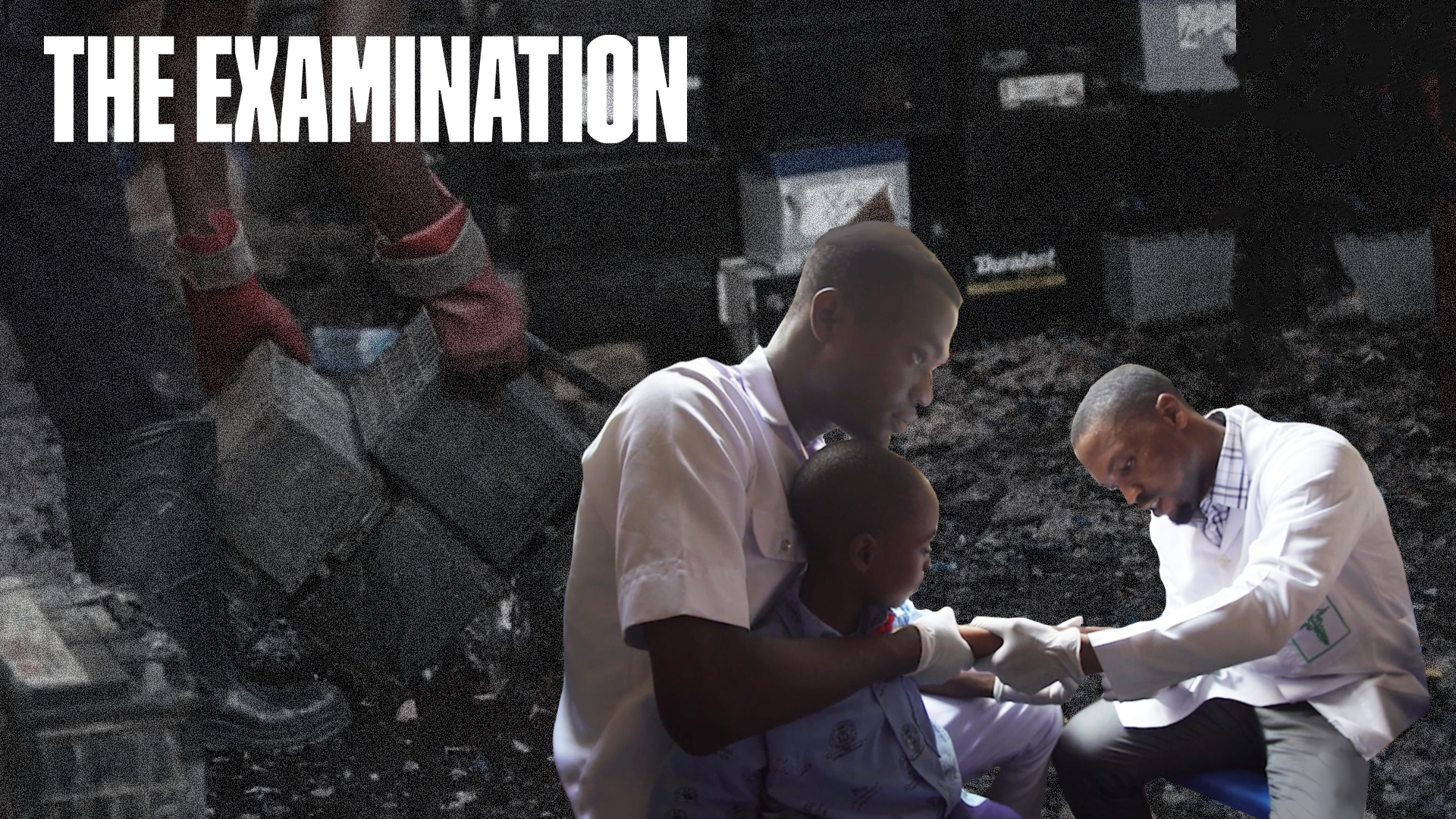
A major American company, a key supplier for Ford, Honda and BMW, was buying lead from shoddy factories in Nigeria, where toxic smoke and dust were poisoning workers and residents.
After The Examination, The New York Times and Nigeria’s Premium Times revealed the scope of the health catastrophe, things started to change.
It all started with a tip. Will Fitzgibbon was investigating lead poisoning in late 2023 when he heard that a trading company was buying lead in Africa and selling it overseas to make car batteries. If that were true, it meant some of the world’s most recognizable carmakers could be profiting from the work of polluting, unaccountable factories half a world away.
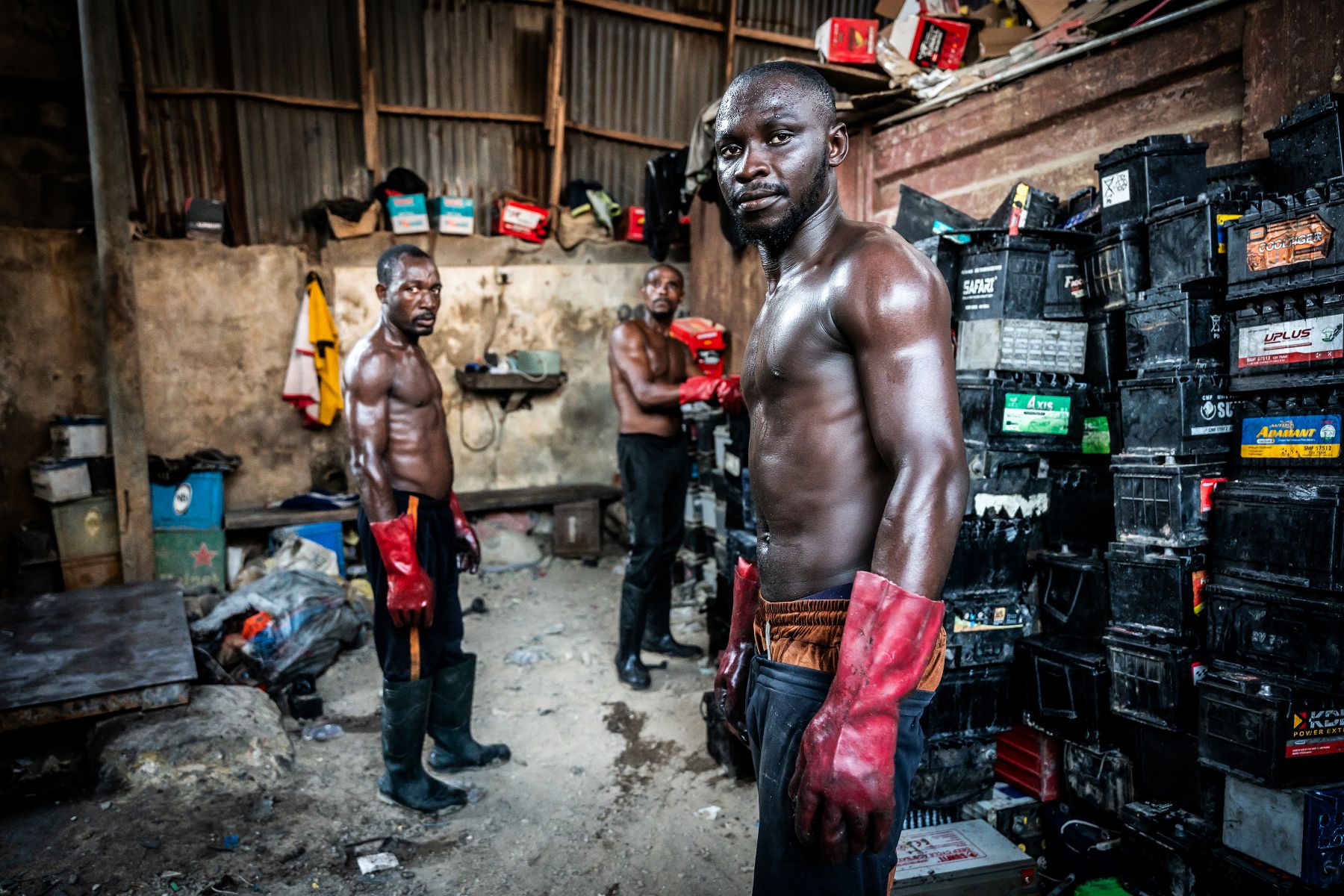
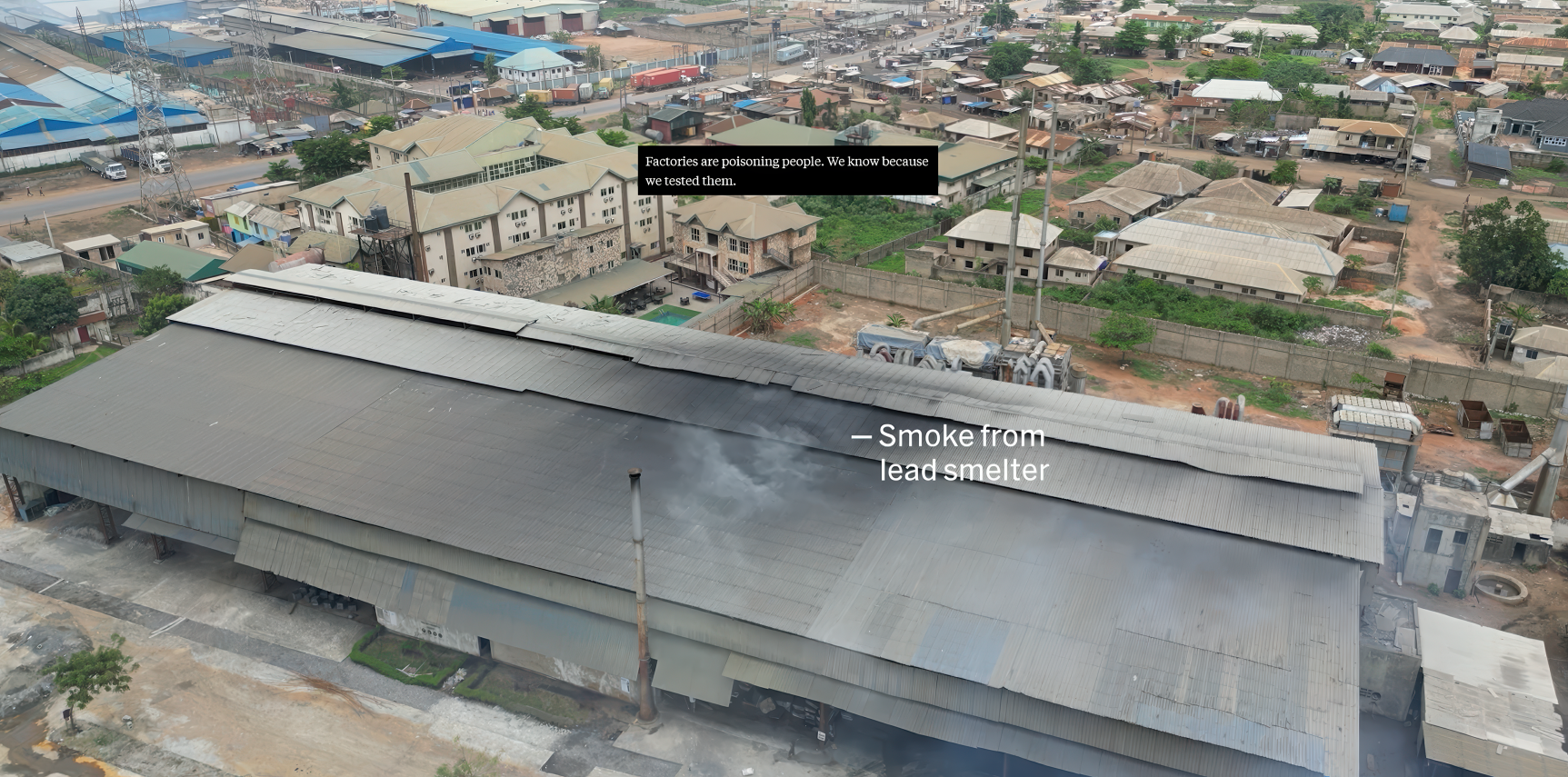
Fitzgibbon brought the tip to New York Times reporter Peter Goodman, who covers supply chains. Together, they learned how the automotive industry had essentially built a global supply system for recycled lead in which everyone involved could say someone else was responsible for oversight. And they uncovered an environmental and public health disaster in Ogijo, Nigeria, the heartland of Africa’s lead recycling industry.
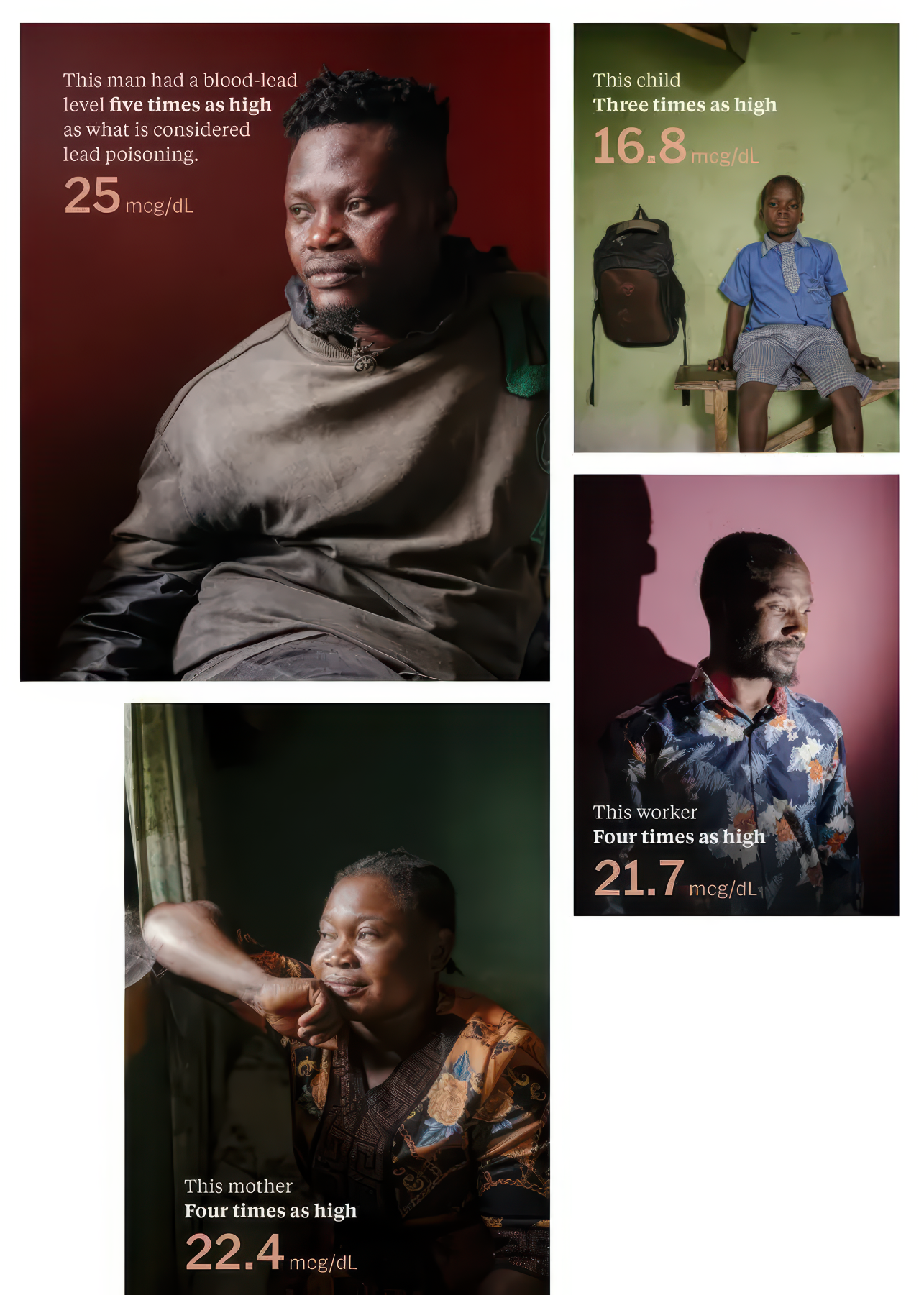
Far from the reach of American health regulations, dark smoke billowed from factories and soot fell from the sky. The Examination and The Times commissioned blood, soil and air testing, the most comprehensive ever conducted in Nigeria. It revealed that 70% of volunteers living near and working in the factories had lead poisoning. Soil testing showed contamination near schools, markets and homes. Air tests enabled scientists to conclude that the lead came from the factories.
Separate from its partnership with The Times, The Examination reached out to Nigeria’s Premium Times to share its findings and offer to help report their own story. The Examination set up similar arrangements with Truth Reporting Post in Togo, where The Examination also commissioned soil testing, and ClassFM in Ghana. The Examination provided them with its core findings based on trade data and scientific testing; those media partners advanced their own investigations by identifying sources, interviewing factory workers and residents and submitting public records requests. In every case, media partners used their own editorial judgment to frame and publish stories of interest to their readers.
The reaction to our reporting was swift. Before the first story was published, a major American battery maker halted purchases from Nigeria and tightened its supplier rules. After the first story, the Nigerian government shut down seven factories. The Nigerian Senate declared a national emergency and directed health officials to craft a cleanup plan. Local officials called for a ban on lead exports. Nigerian officials commissioned scientists to conduct environmental testing and announced plans for free blood tests in Ogijo. This would be the first time such testing has been carried out in relation to the battery recycling industry.
The Examination teams up with partners around the world, large and small, on cross-border investigations into the industries that make people sick. This project represented the culmination of that mission: an ambitious investigation into lead poisoning involving several countries and partners ranging from The New York Times to a tiny newsroom in Togo.
The Examination asked The Times to help with the central investigation because it had the expertise to report it, the resources to elevate it and the reach to ensure it would be widely seen. The two organizations worked as equal partners for nearly a year, with a reporter and story editor at each organization. The Times brought in a visual correspondent to shape the story with data visualizations, satellite imagery, drone footage and portraits. The Times hired freelance photographers; the Examination arranged and funded a comprehensive lead testing program. The Times produced two vertical videos highlighting our findings; The Examination reported, wrote and produced a short documentary.
In addition, The Examination contacted Nigeria’s Premium Times to work together on a story based on the investigation. The Examination shared the results of its testing, trade data and a confidential government audit of factories. Premium Times reporters helped The Examination and The New York Times conduct interviews in local languages and found additional sources. While the Examination-Times story focused on the role of the U.S. auto industry in buying dirty lead, the Premium Times’ first story focused on Nigerian officials’ failure to regulate battery recyclers.
The Examination found that factories in other African countries also shipped lead to battery makers overseas, so we established more partnerships. In Togo, we worked with Truth Reporting Post and commissioned soil testing, the first of its kind in that country. Truth Reporting Post’s story, published in French, cited those test results and included its interviews with factory workers. In Ghana, The Examination shared its analysis of trade data and confidential documents with ClassFM Online.
An Examination colleague helped those outlets behind the scenes. Alex Brutelle’s job is to support under-resourced partners. For instance, he helped a reporter at ClassFM conduct interviews in the field and synthesized the findings of the soil testing for Truth Reporting Post.
Our investigation attracted widespread attention in Nigerian media. “Regulators should put an end to improper recycling of lead acid batteries,” the newspaper This Day wrote in one of many articles and editorials. One of our videos featuring a boy with lead poisoning spread throughout the country. Government agencies said the video, which has been viewed more than 2 million times, prompted them to act. In Togo, the government responded to Truth Reporting Post’s story by conducting its own testing, which confirmed our results.
This collaboration resulted in a range of storytelling efforts across these various outlets, each with its own editorial focus and audience. We believe this multi-pronged approach contributed to the change underway in Nigeria and Togo.