A single question drove all we did at ProPublica in the past 12 months:
What does the public need most from us now?
In a year of extraordinary digital journalism, ProPublica served the public in ways few others could, by taking on work that would not have been possible without us and delivering it to audiences in an expanding variety of ways.
Every choice we made was in service of impact, which this year sometimes meant simply ensuring people learned the truth as those in power misled and distracted them.
Many days felt like a barrage — of cuts to the safety net made in the name of efficiency and fresh scenes of brutality justified as national security.
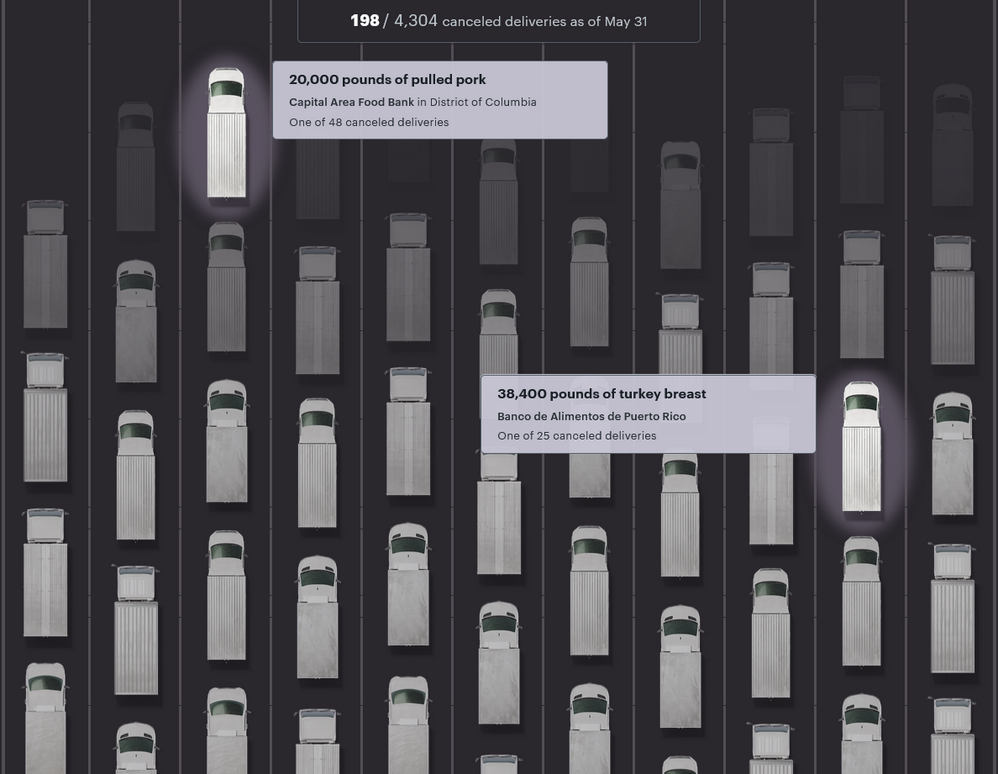
ProPublica brought order to the chaos, cataloguing harm in creative ways: A scrollytelling experience drove home (with little trucks!) just how many pounds of food were withheld from pantries that serve hungry families (98 million). A newsapp dispelled in unparalleled detail Trump’s claim that 238 Venezuelan men deported to a maximum-security prison in El Salvador were “some of the most violent savages on the face of the Earth.”
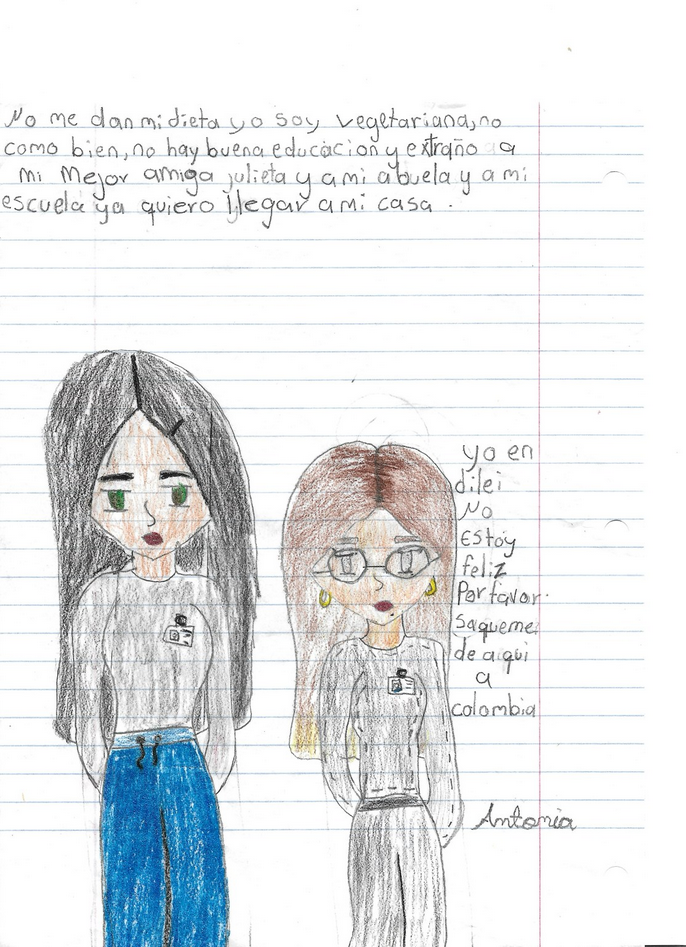
Allowing audiences to hear directly from our subjects, to see them, was an essential antidote to dehumanizing political rhetoric. They met children being held in an immigration detention center, read their letters and pored over their drawings. They spent time with a Venezuelan family navigating life in a country that had turned on it.
We are agnostic about how audiences discover our findings — whether in an audio production voiced by Hollywood actors, or a YouTube video led by our reporters, or an Instagram showcase of astounding audiovisual evidence.
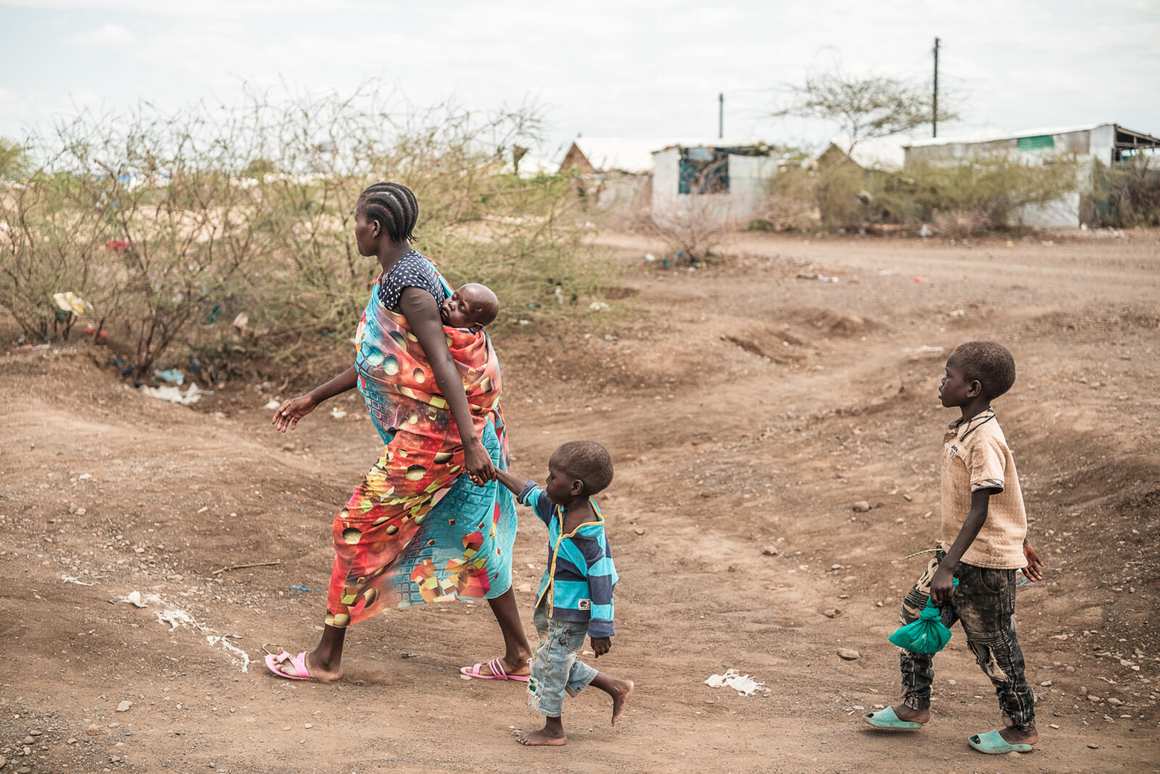
Our engagement always goes both ways: From live, recorded events in which we field questions about how to use our tools to a more secure way than ever for federal workers to share information, which we promoted in ads on D.C. metro trains and a billboard on wheels. Among the stories their thousands of tips supported: ProPublica reporters penetrated a Washington, D.C., celebration where DOGE bros literally ate cake, then traveled across the globe to expose the consequences of their abrupt foreign aid cuts: babies dying of preventable illnesses.
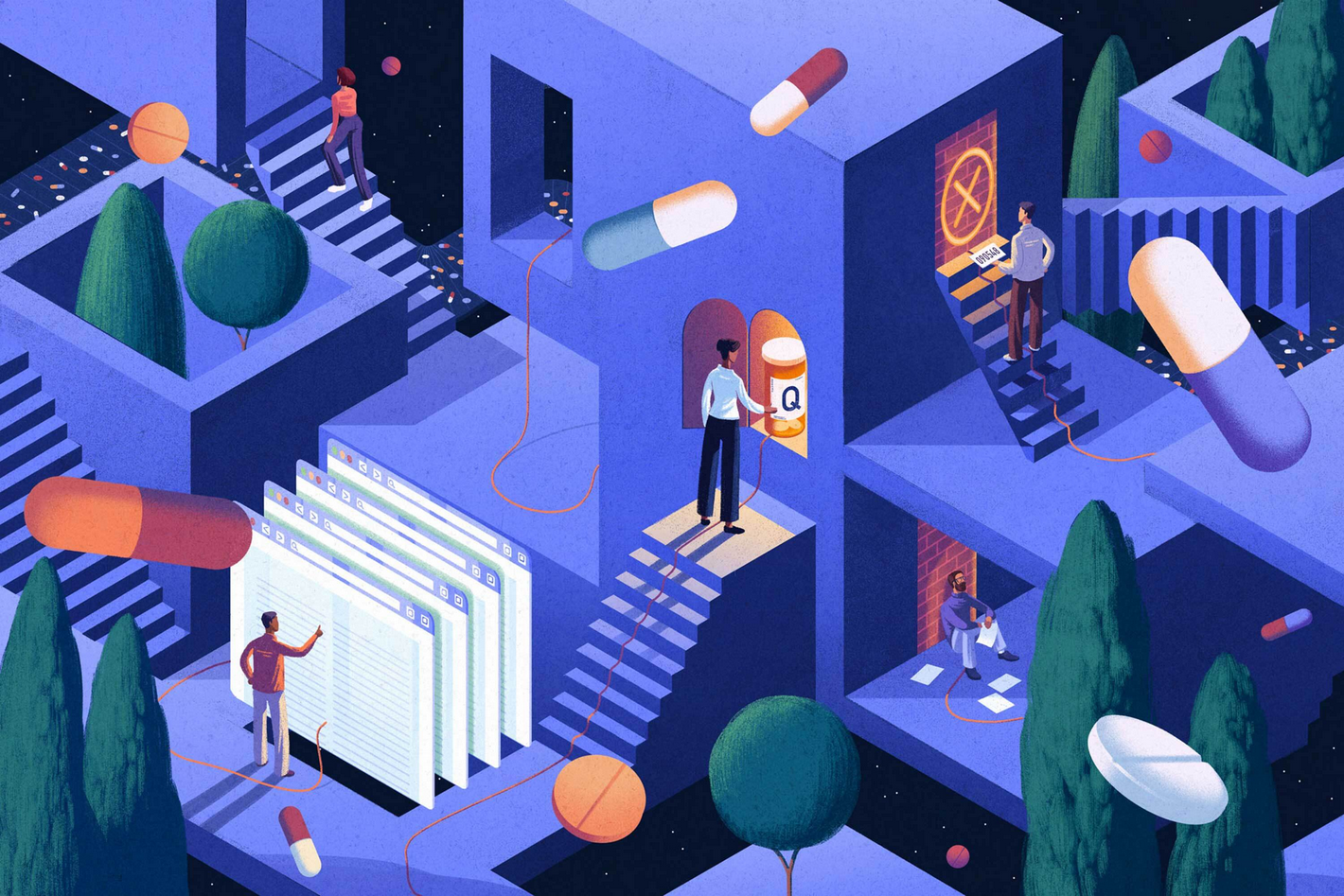
We took on work that the federal government found too complicated or controversial to tackle. Fearing “some kind of frenzy,” the FDA had kept the public from learning that the foreign factories making their drugs were dirty and dangerous. We sued for the data and won, then built an interactive tool that for the first time empowers consumers to track where their drugs come from and whether those factories have violated standards.
A different app allowed audiences to explore the finances — and potential conflicts of interest — of President Trump and 1,600 of his appointees. It seeded investigations at ProPublica and other news outlets.
Our journalism garnered honors including the Pulitzer Prize, the Goldsmith Prize for Explanatory Reporting, a National Magazine Award and two Polk Awards. But we’re more proud of the impact, detailed below.