
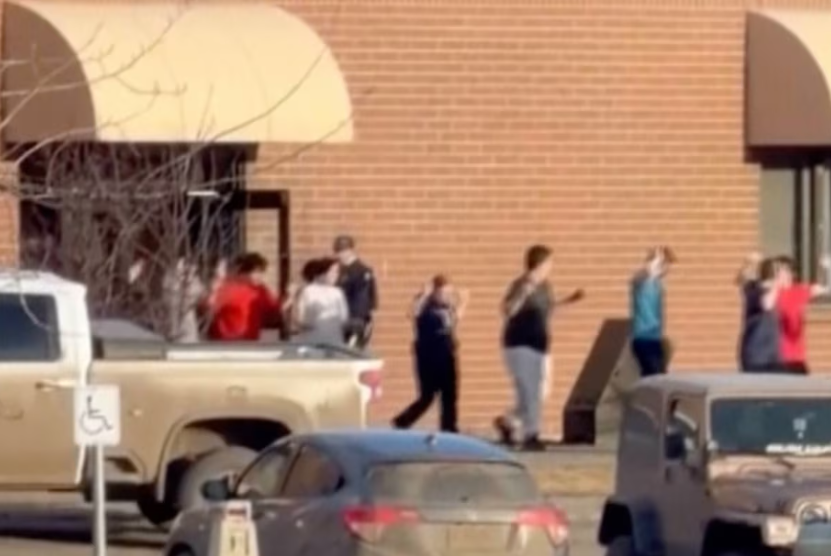
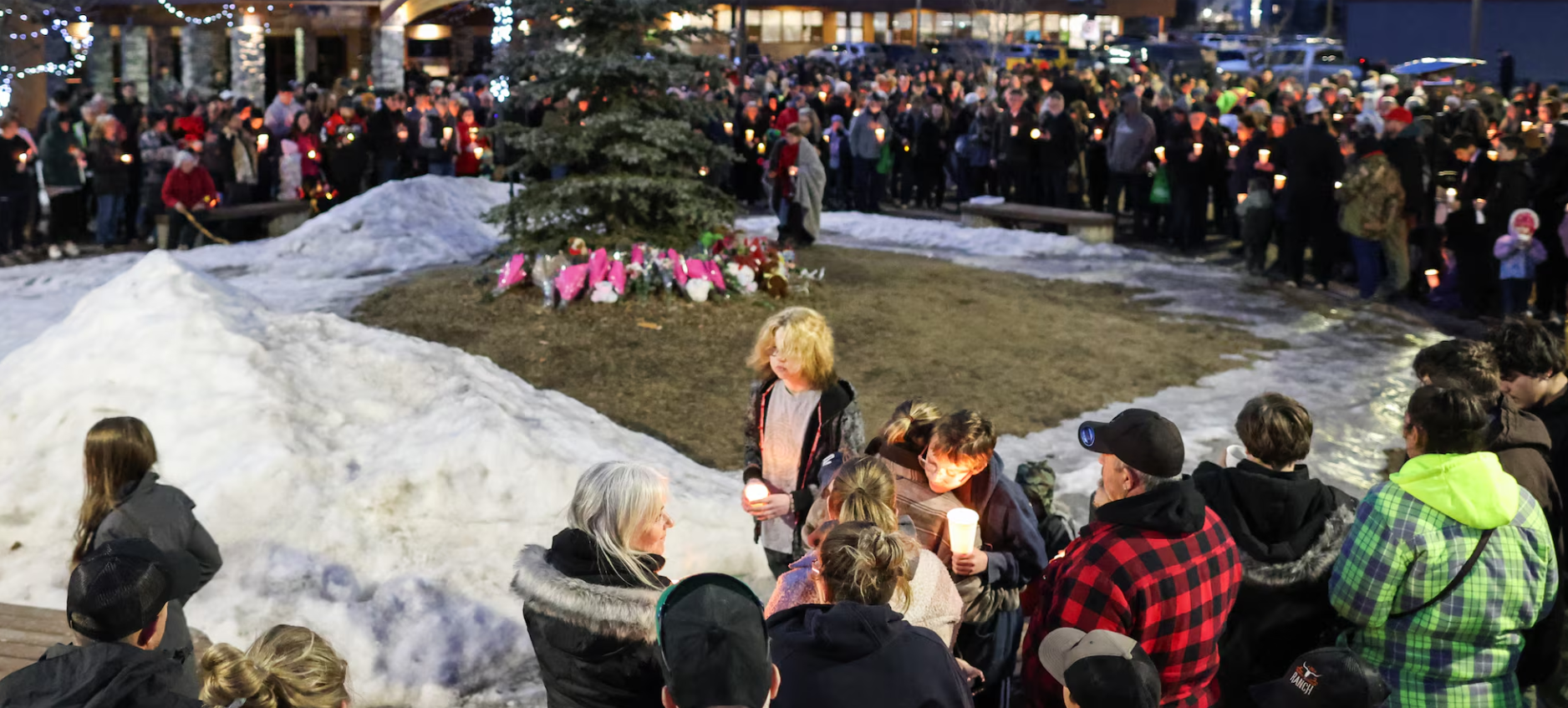
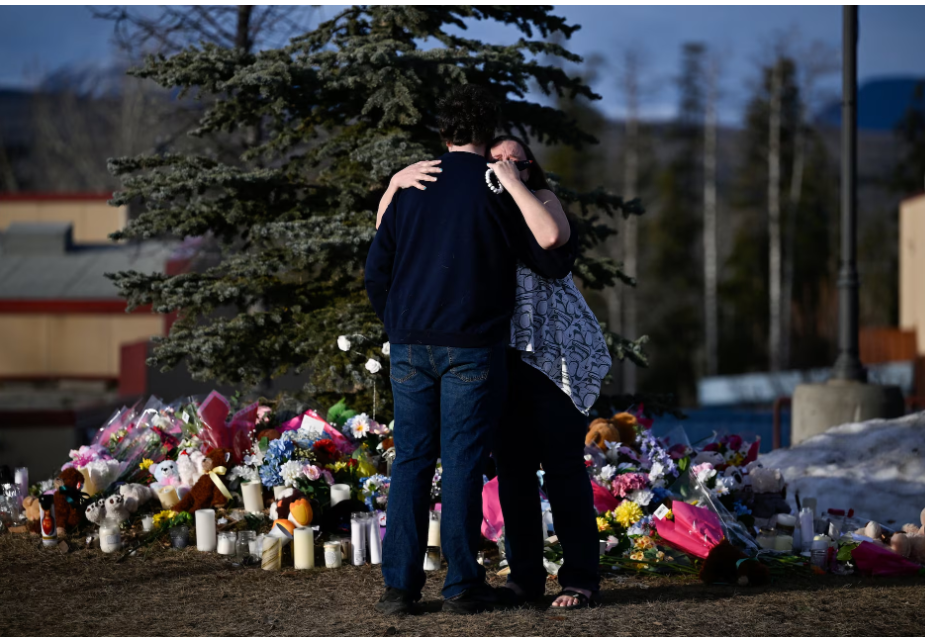
The deadliest high school shooting in Canadian history came to the public’s attention in a short notice from the Royal Canadian Mounted Police that only hinted at what had actually happened: “Confirmed active shooter incident at the Tumbler Ridge Secondary School.” Police were attempting to determine the “total number of victims involved.”
Within 15 minutes of this Feb. 10 news alert, The Globe and Mail had published its first update, followed by a staff-written story 15 minutes after that. As information developed, our newsroom mobilized nationally: reporters across Western Canada worked phones and social channels to verify early details, while a team of reporters and photographers travelled overnight, by air and over difficult winter roads, to reach the remote northern British Columbia town, a tight-knit community of about 2,400.
From the outset, our approach balanced speed with precision and sensitivity. Coverage evolved continuously through the night and into the following days, with live updates and on-the-ground context layered in as the facts became clear, including that five students and one education assistant were killed. Within the first 72 hours, The Globe published nearly 30 pieces across formats, including breaking news reports, a live blog, investigative reporting, video, podcasts, newsletters and social storytelling.