
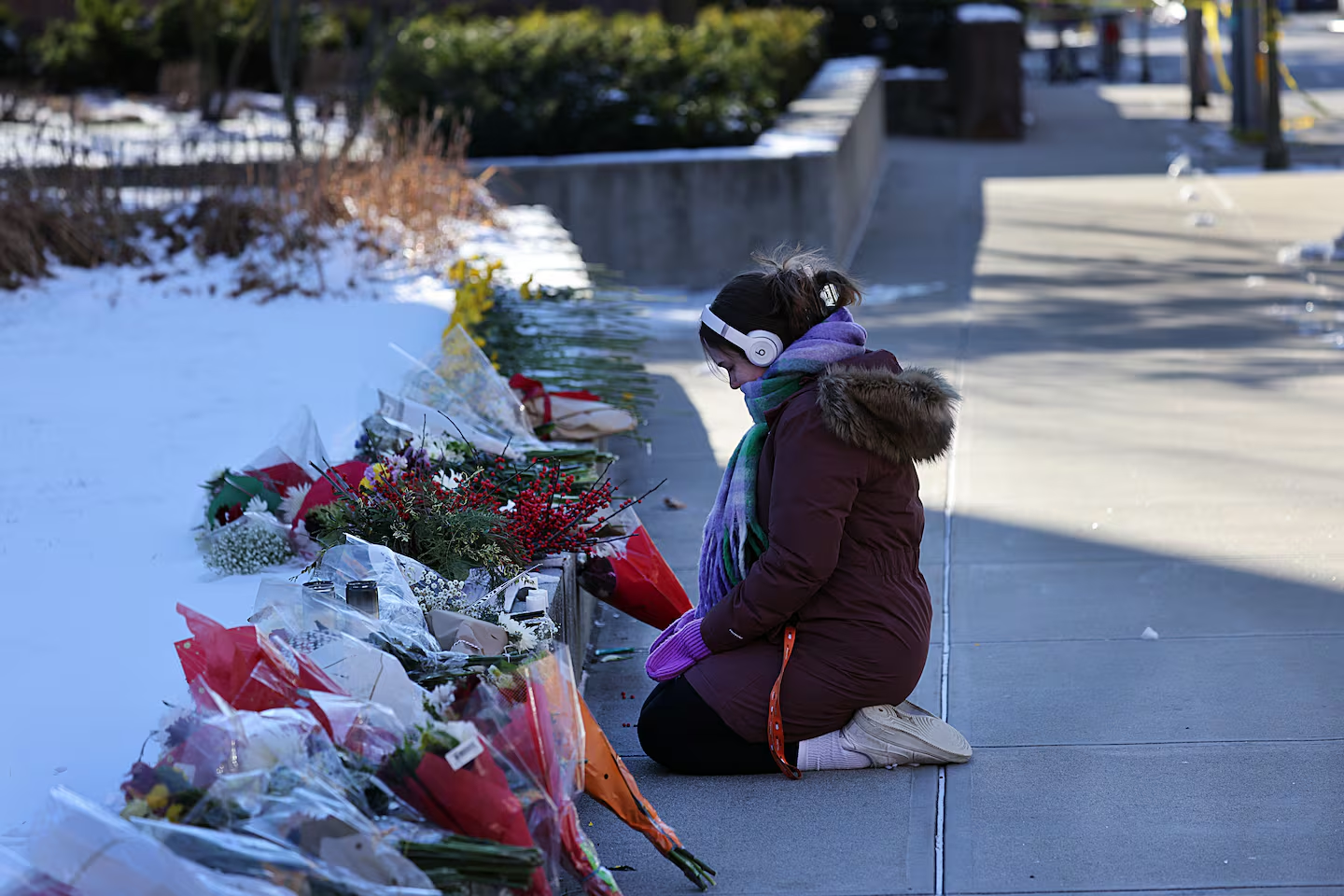
The Boston Globe, in its Boston and Providence, R.I. bureaus, skillfully and powerfully covered the mass shooting at Brown University in December 2025 that killed two students and wounded nine more.
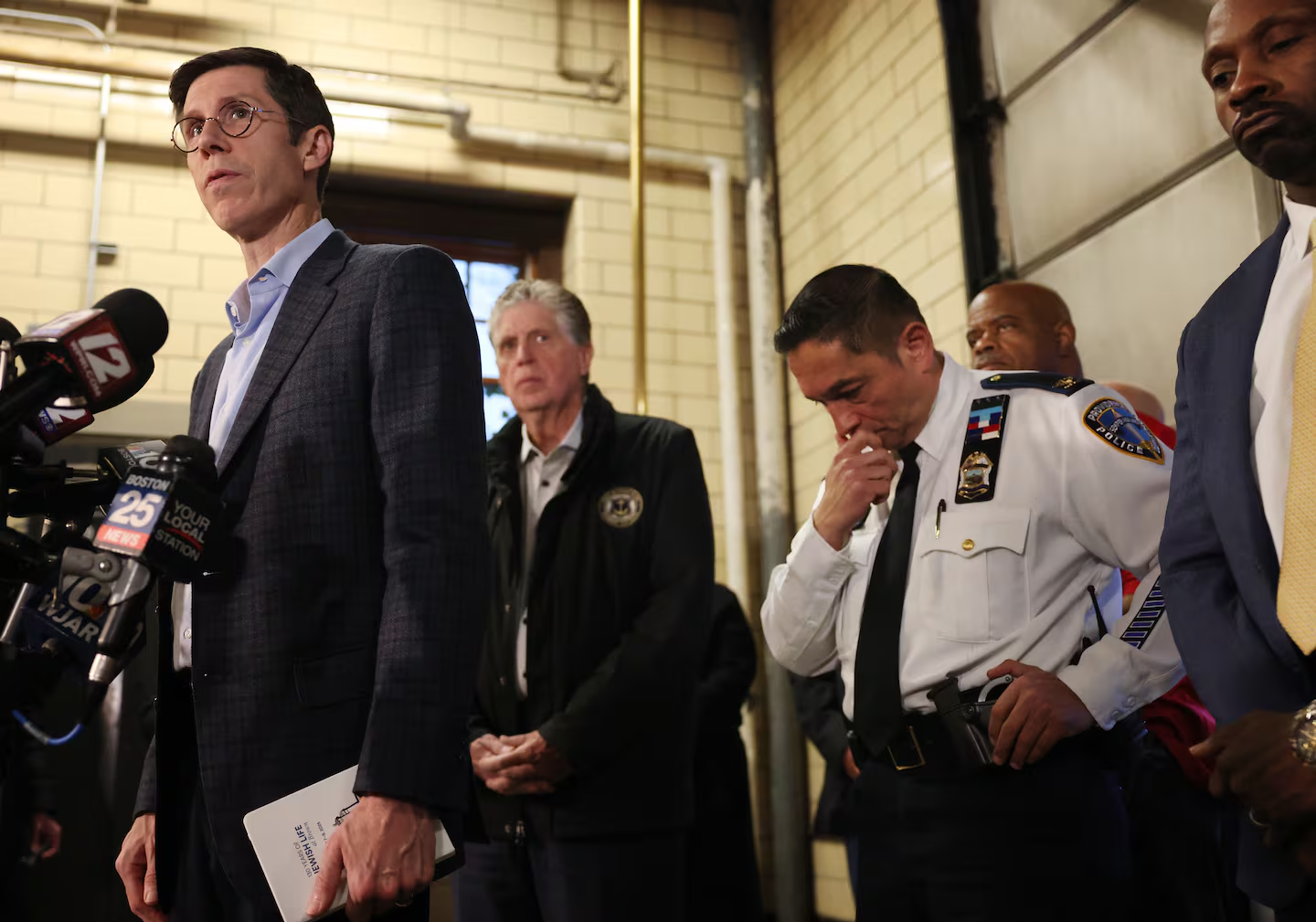
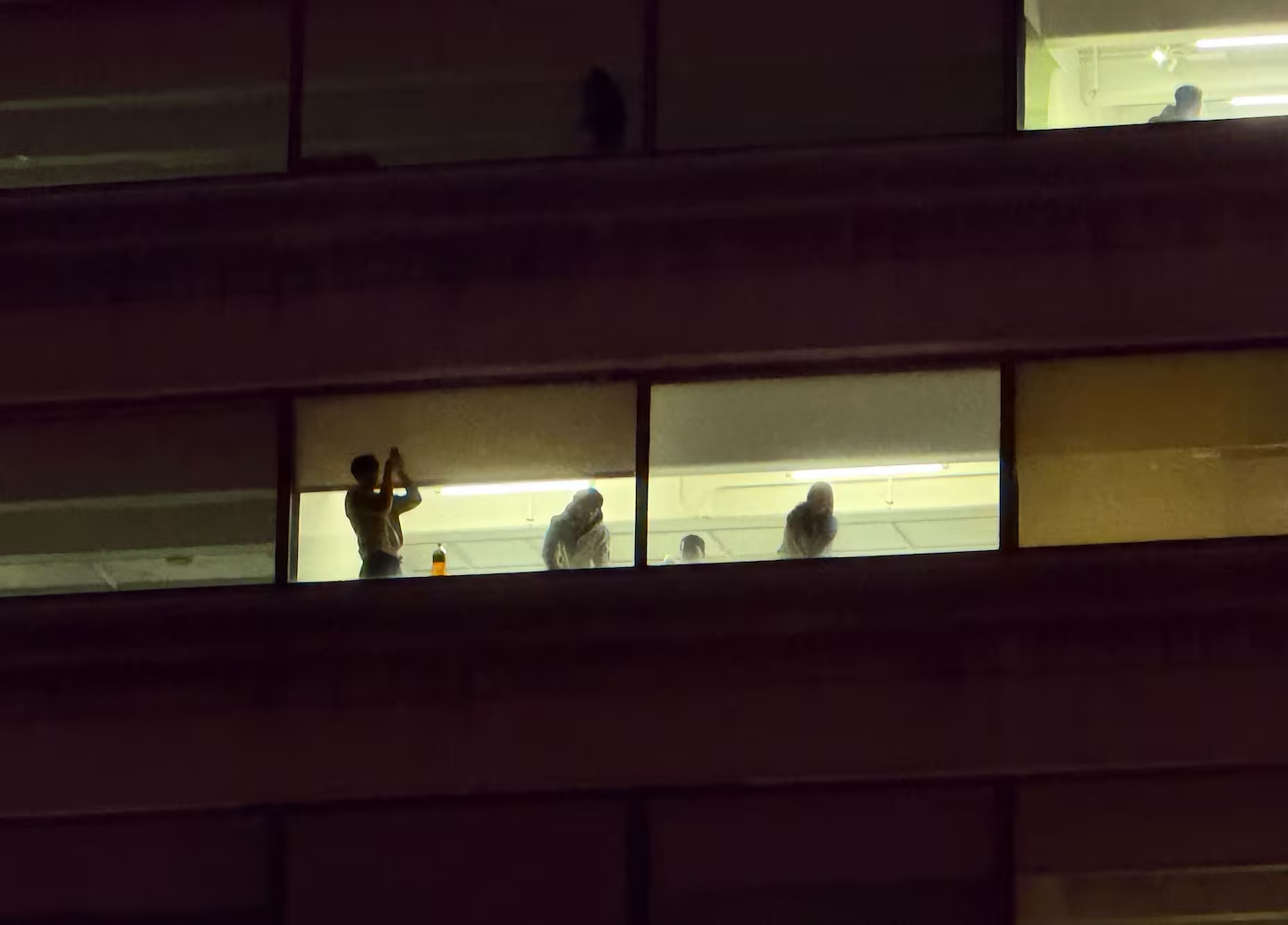
Around 4 p.m. on Saturday, Dec. 13, 2025, a man opened fire inside a first-floor classroom of the Barus and Holley engineering and physics building at Brown University, killing two students and wounding nine others. At 4:22 p.m., a campus-wide alert went out, informing the community of the active shooter and instructing students to lock doors, silence phones, stay hidden, and run if they are in the affected area. Megan Hall, who produces the Rhode Island Report podcast and also works at Brown, received the text and immediately forwarded it to Christopher Gavin, the breaking news reporter for the Boston Globe’s Rhode Island bureau. Soon after, a news brief was filed, an alert was sent out, a live blog was launched, and reporters were on campus.
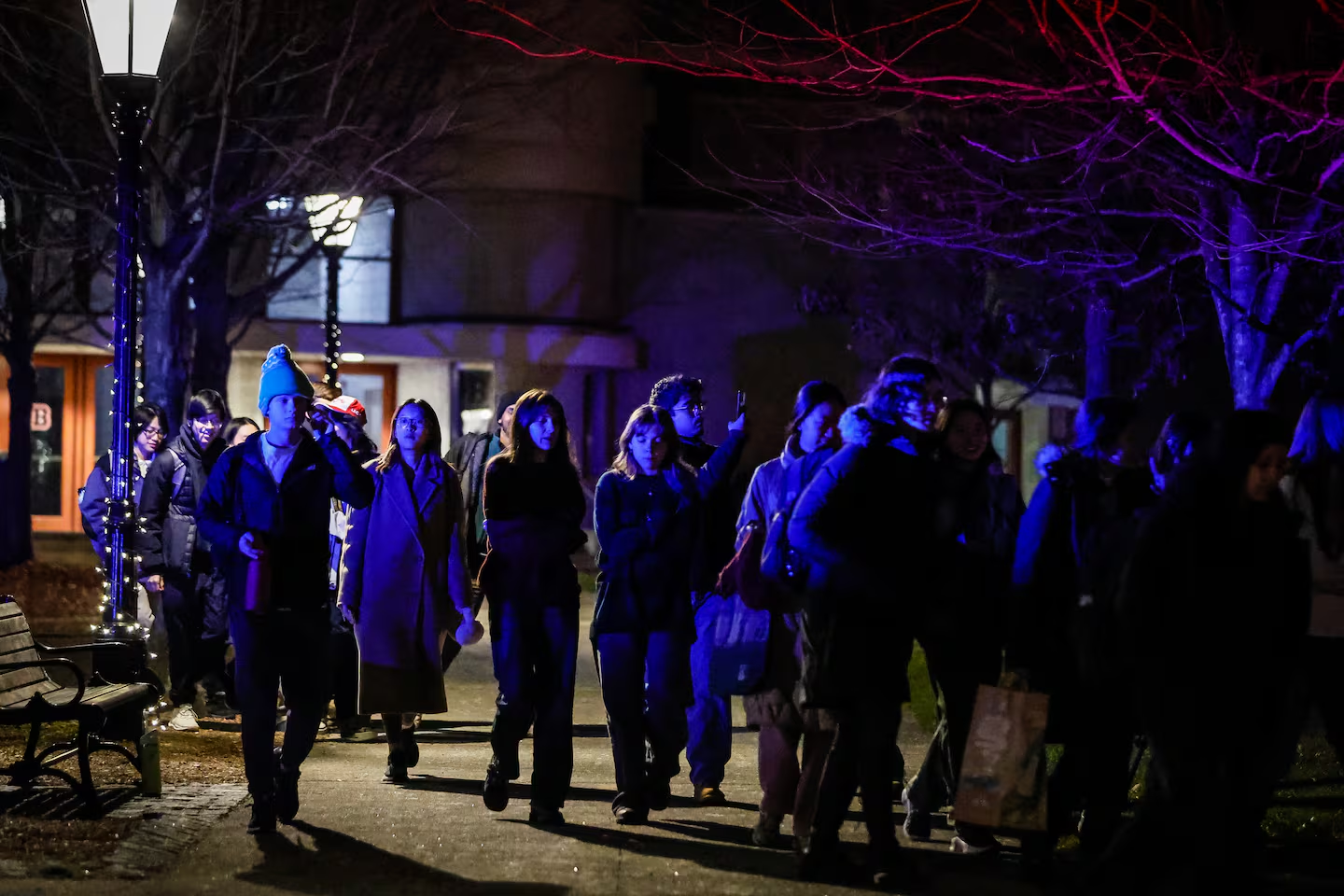
In the days that followed, reporters, photographers, and video producers deployed across the region; editors from all departments pitched in to help. In the Boston newsroom, reporters worked phones and wove feeds together. In Rhode Island, Providence-based reporters fanned out across the campus and surrounding neighborhood. We used the most urgent material to update a daily liveblog from roughly 8 a.m. to 10 p.m. or later. The audience team shared content across X, Facebook, Instagram, TikTok, Bluesky, and Threads.
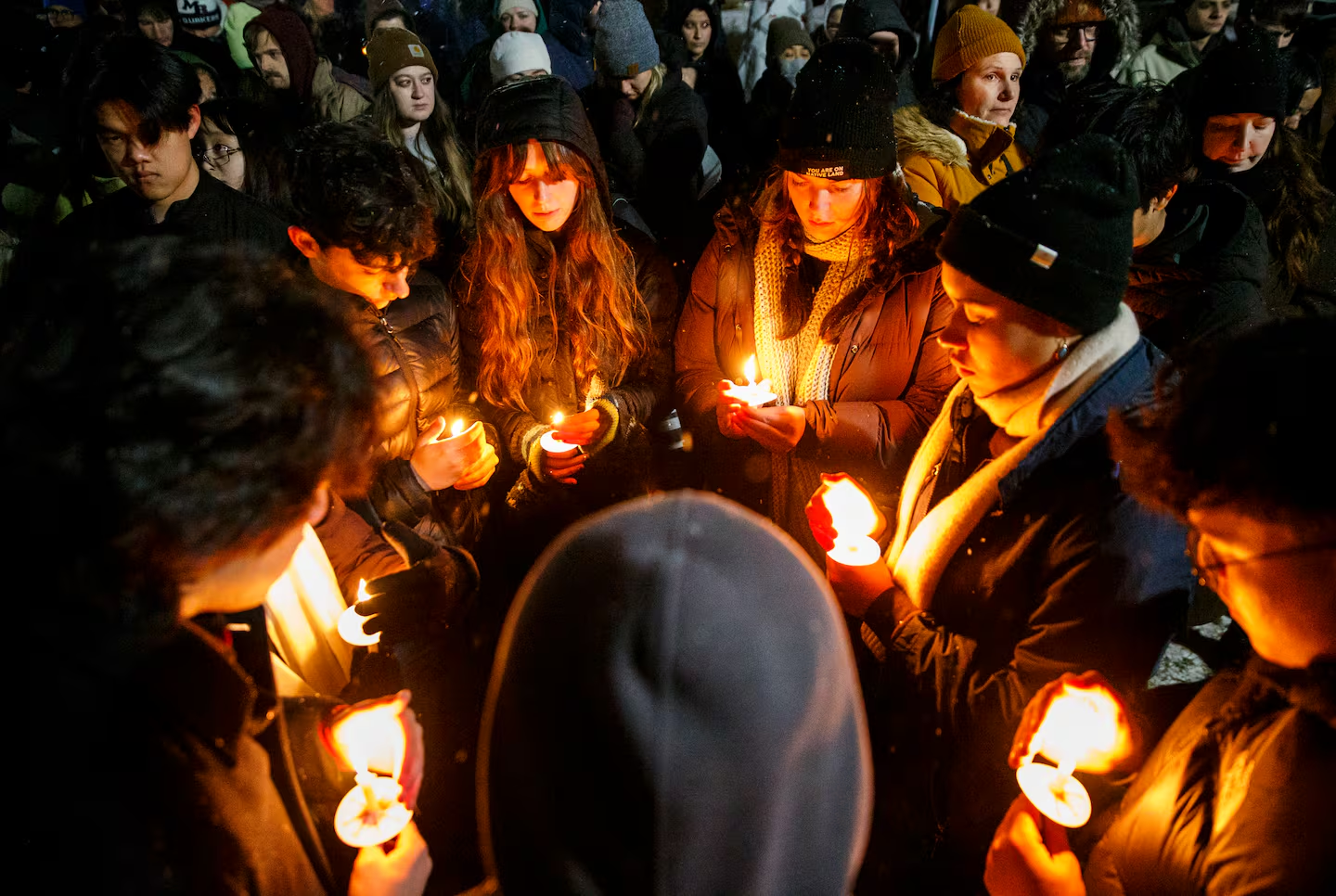
We published more than 30 stories, dozens of social media posts, videos from the scene, and hundreds of liveblog entries during the first 72 hours of this breaking news event. We exposed flaws in Brown’s security protocol and shortcomings in Providence’s communications system. We honored the victims by detailing their aspirations and friendships in their hometowns and on campus. We interviewed the Mayor of Providence in an exclusive for our podcast, talked to students who had survived other school shootings, published commentary from the community, and offered analysis and information to the public about how they could help.
The result was deeply sourced journalism that poignantly captured the experiences of neighborhoods shattered, a campus forever changed, victims mourned and heroes lauded.