



The Verge prides itself on the speed of its newsroom and the depth of its reporting, aiming to be an essential publication for technology news, business, and policy. In the past two decades, Silicon Valley and Capitol Hill have been at odds—the most powerful industrial forces competing with the bodies that legislate them. But in 2025, we saw a new alliance between the tech oligarchs and the White House. If the Bay Area still had the veneer of a progressive bent, this year surely rubbed it away.
The innovations in our newsroom can be broken into two categories: tools for readers, and greater reading experiences. We redesigned our homepage to emphasize “quickposts,” allowing The Verge newsroom to become a feed, a vision of the digital publication as a destination. The Verge has become a vibrant and always-updating destination for readers. This is an early bet on federated media, which will eventually be spread across platforms like Bluesky, Threads, and Mastodon.
In the same spirit, we created “storystreams” — dedicated topic-specific pages that combine the speed of Twitter and the utility of a homepage. As an experiment, we’ve found them powerful for coverage of ongoing events, where minute-to-minute updates can live alongside deeper analysis and reportage. We saw it with the response to our Minneapolis stories and our ongoing trial coverage of Musk v. Altman: publishing great coverage in a new format that readers loved.
We’ve also resurrected our commenting system — an experience that allows readers to easily engage with a story, but also one that is expertly moderated. A full-time, on-staff team keeps conversations healthy.
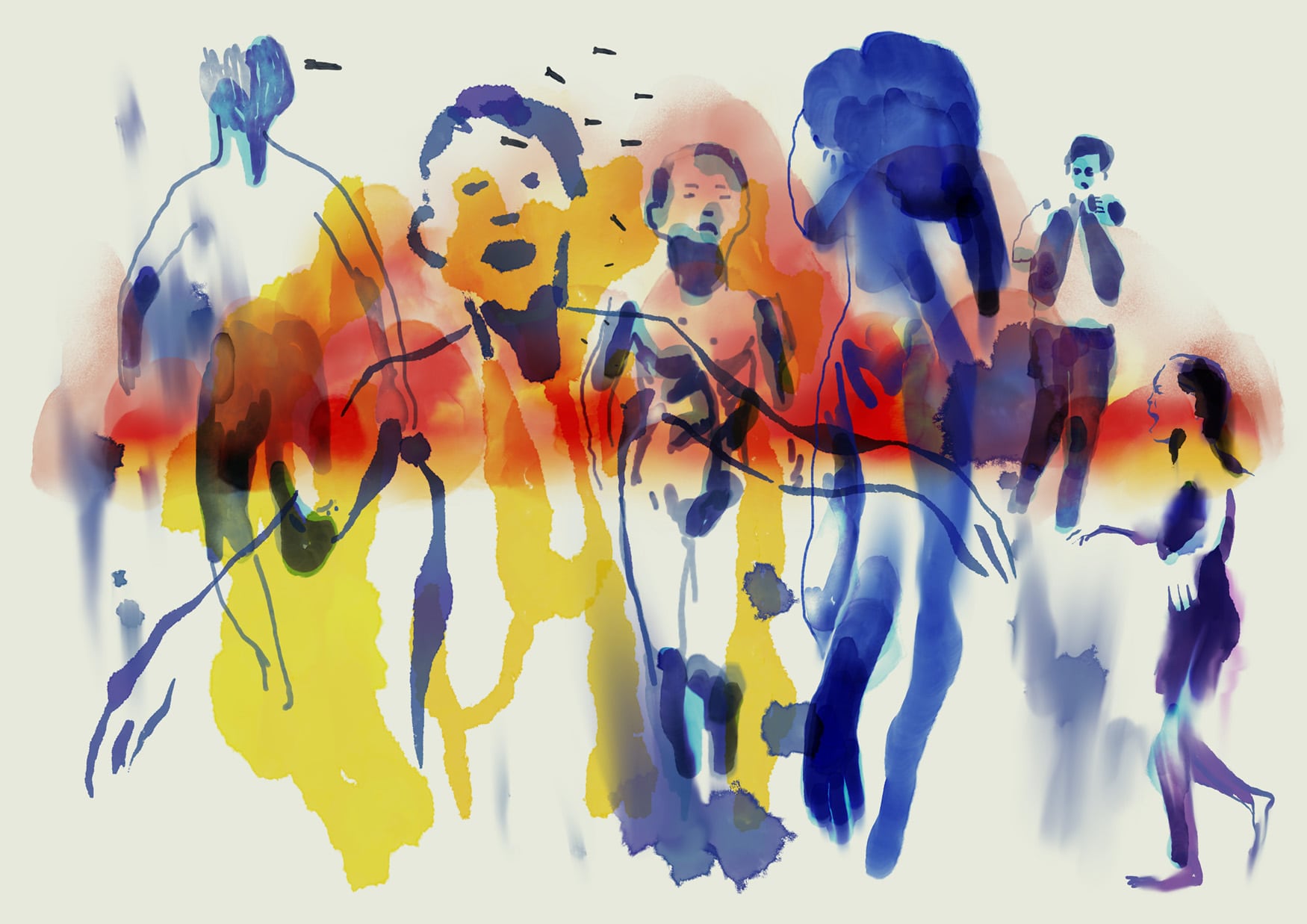
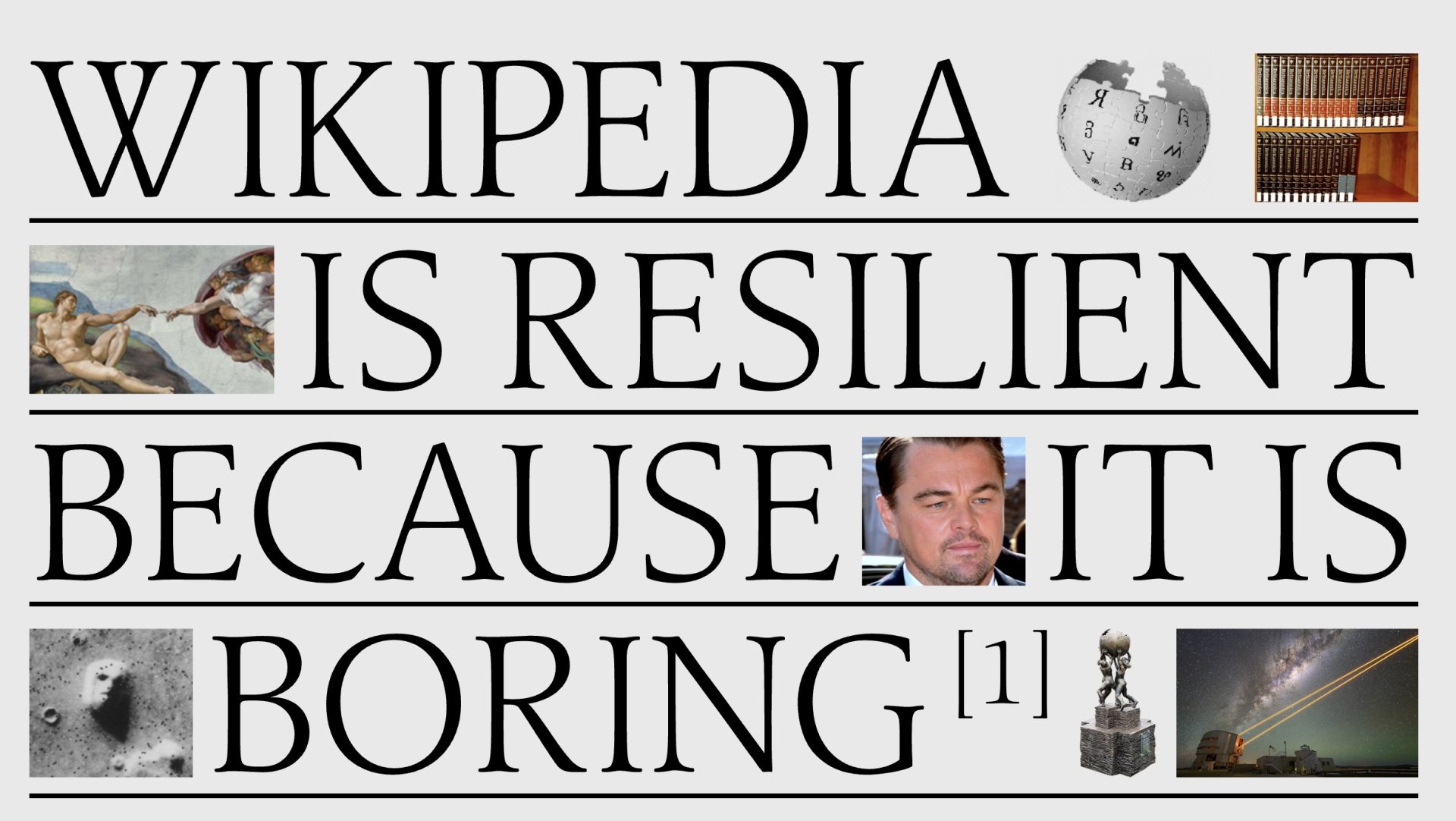
In the second category of innovations, we have spent great efforts to make our feature-length stories beautiful, unique, and enhancing to the reader. Even in an increasingly beleaguered media landscape, The Verge believes that the responsibility of a magazine isn’t just to produce great journalism, but to keep advancing what journalism can be in a digital space. How do we continue to make publications that are urgent, vibrant, and enduring? With a staff that comes from both an online and print background, The Verge has continued its mission of establishing the creativity and rigor of classic magazine making on the internet. From the gorgeous bespoke designs of our feature-length reporting like Josh Dzieza’s deep dive on the right wing’s attacks on Wikipedia or Fariba Nawa’s thriller about Iranian dissident hunters to the ambitious and wide-ranging packages like visually ecstatic content creators series to the unexpected, muted issue on the legacy of the Vietnam War, this year was a tremendous effort of creativity and ambition. In an environment where AI’s biggest boosters believe technology can replace human ingenuity, The Verge endeavors to prove that journalism can be so much more than “content” fed to an algorithm. It’s the vessel of truth and imagination, and we want to render it with as much passion as humanly possible.