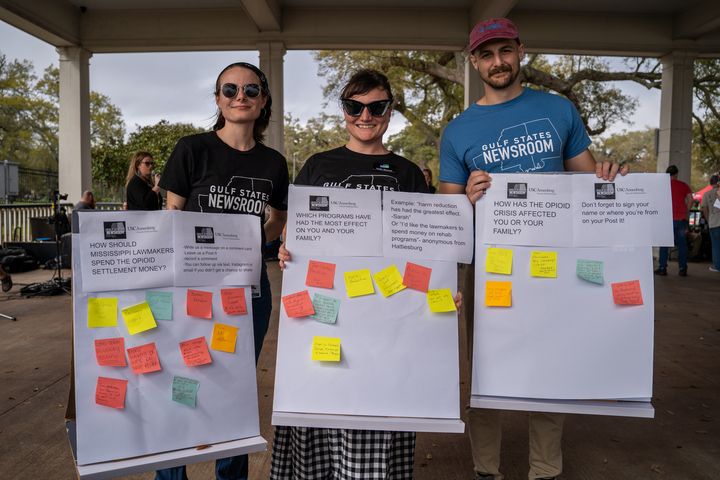
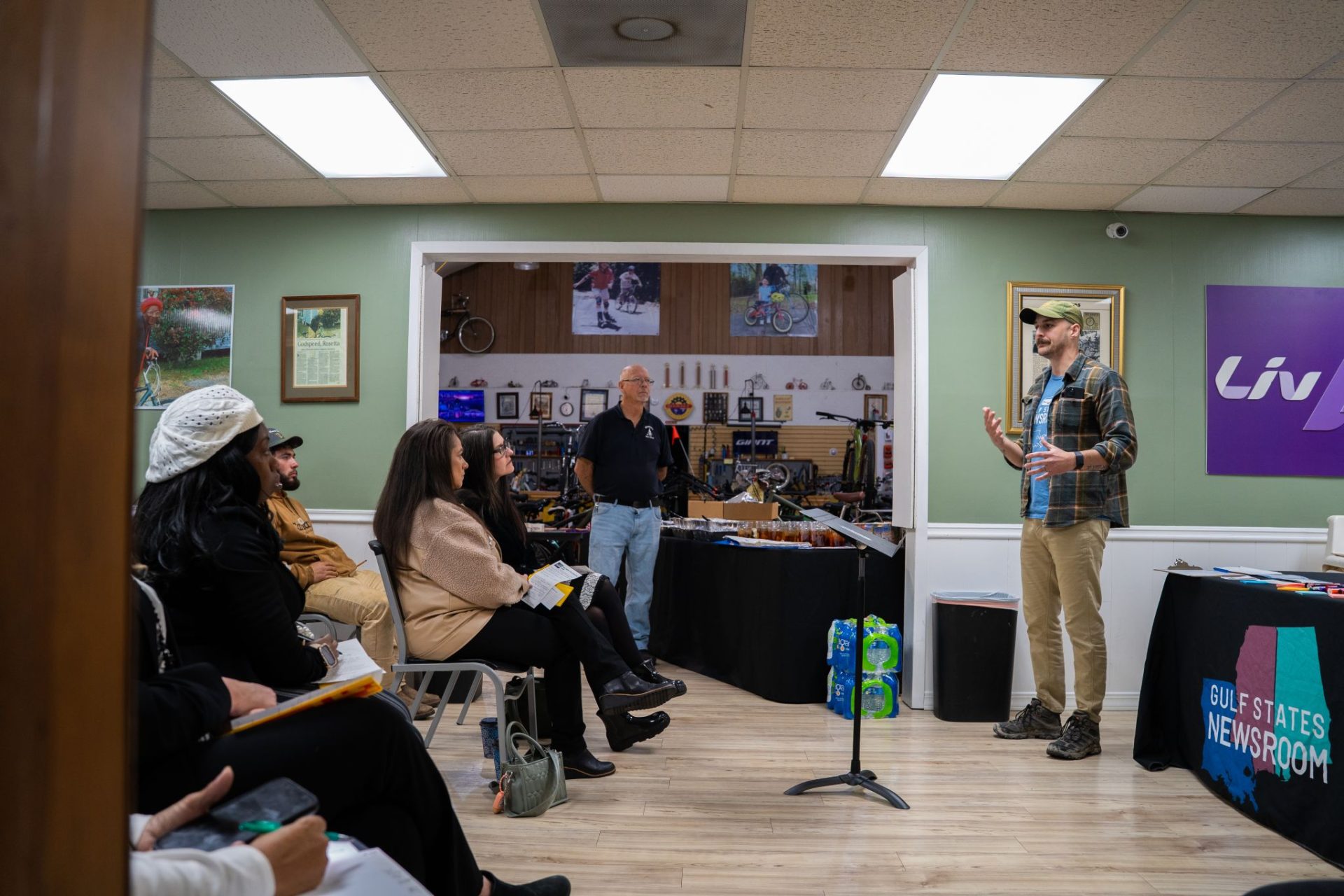
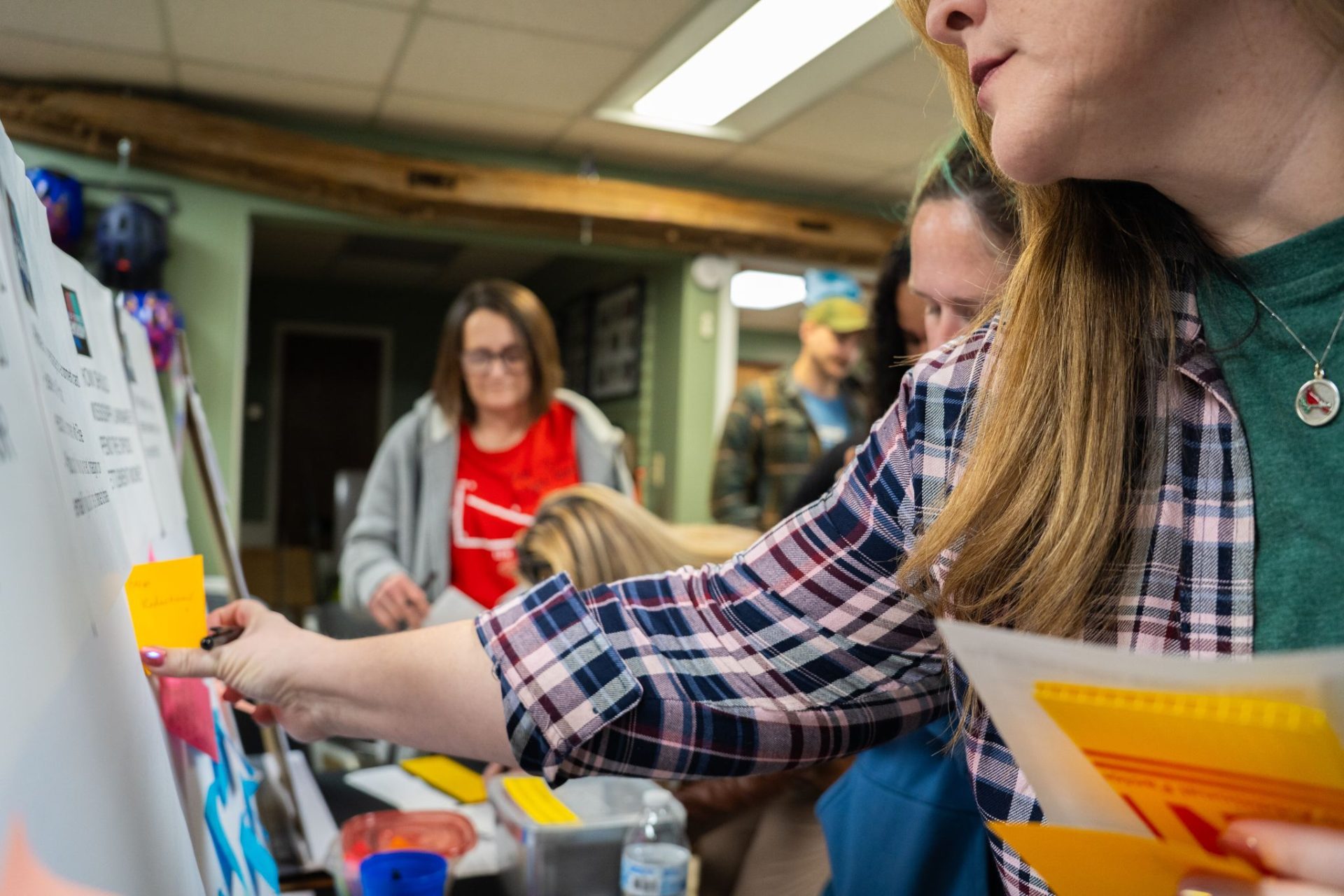
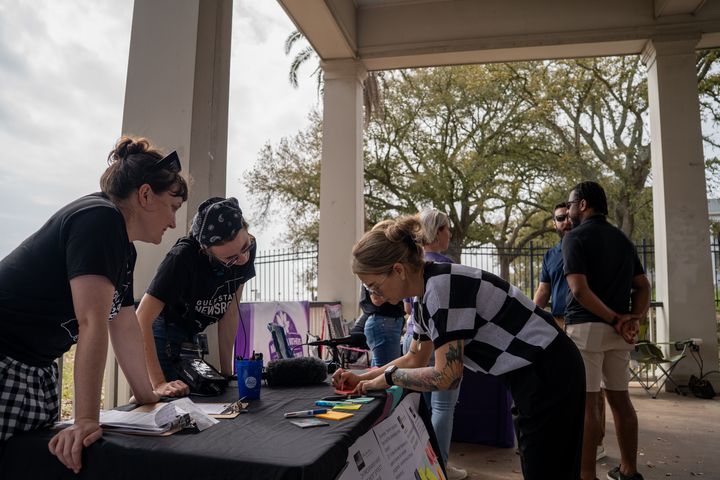
The work was inextricable from the project’s approach to tell the story of the spending of the opioid settlement funds in Mississippi. This entry sought to hear from experts, people with lived experience, and family members, about what helped them in addiction and how they would like to see this windfall spent. To best serve identified communities, we visited every corner of Mississippi: the Delta, the Gulf Coast, the Capitol Region and the Pine Belt, bringing food, drinks and supplies to group interviews, tabling and a community meeting.
The diversity of locations and settings of community outreach reflected the diversity of the Mississippi recovery community. Interviews with affected people informed our reporting, including a callout asking how they’d like to see money spent, how the epidemic affected their life, and what they were afraid we might get wrong about their story.
We also received guidance on best outreach practices from trusted editor Teena Apeles of the USC Center for Health Journalism. We sought to serve the recovery community with this submitted project by getting their feedback to the ears of decision makers: the Mississippi state legislature, where we set up a table and listening station to bring the reporting to the people most in position to make impactful decisions about their content.
We chose to best engage with communities with advice from trusted leaders in the Mississippi recovery community, like Christina Dent and James Moore. The work established several meaningful ways for communities to contribute to reporting, including sharing their opinions, experience and hearing and reading it reflected back.