
Hambre de Futuro (“Hunger for the Future”) is a journalism initiative by LA NACION — Argentina’s leading national newspaper — that systematically enters the country’s most invisible territories to document extreme multidimensional poverty while identifying and amplifying real solutions already working on the ground.
This entry focuses on our coverage of the Chaco Impenetrable, one of Argentina’s poorest and most neglected regions. The communities there — primarily Wichí indigenous peoples and rural settlers — face lack of access to clean water and electricity, geographic isolation, precarious housing, and food insecurity, all worsened by deforestation and the erosion of food sovereignty. Chaco ranks 5th among Argentina’s most critical provinces for child poverty, according to an index developed exclusively for Hambre de Futuro by the Observatory of Social Debt of the Argentine Catholic University (UCA). More than 50% of households include children and adolescents. These communities have been structurally abandoned and rendered invisible. We went to meet them, give them a voice, and tell their story.
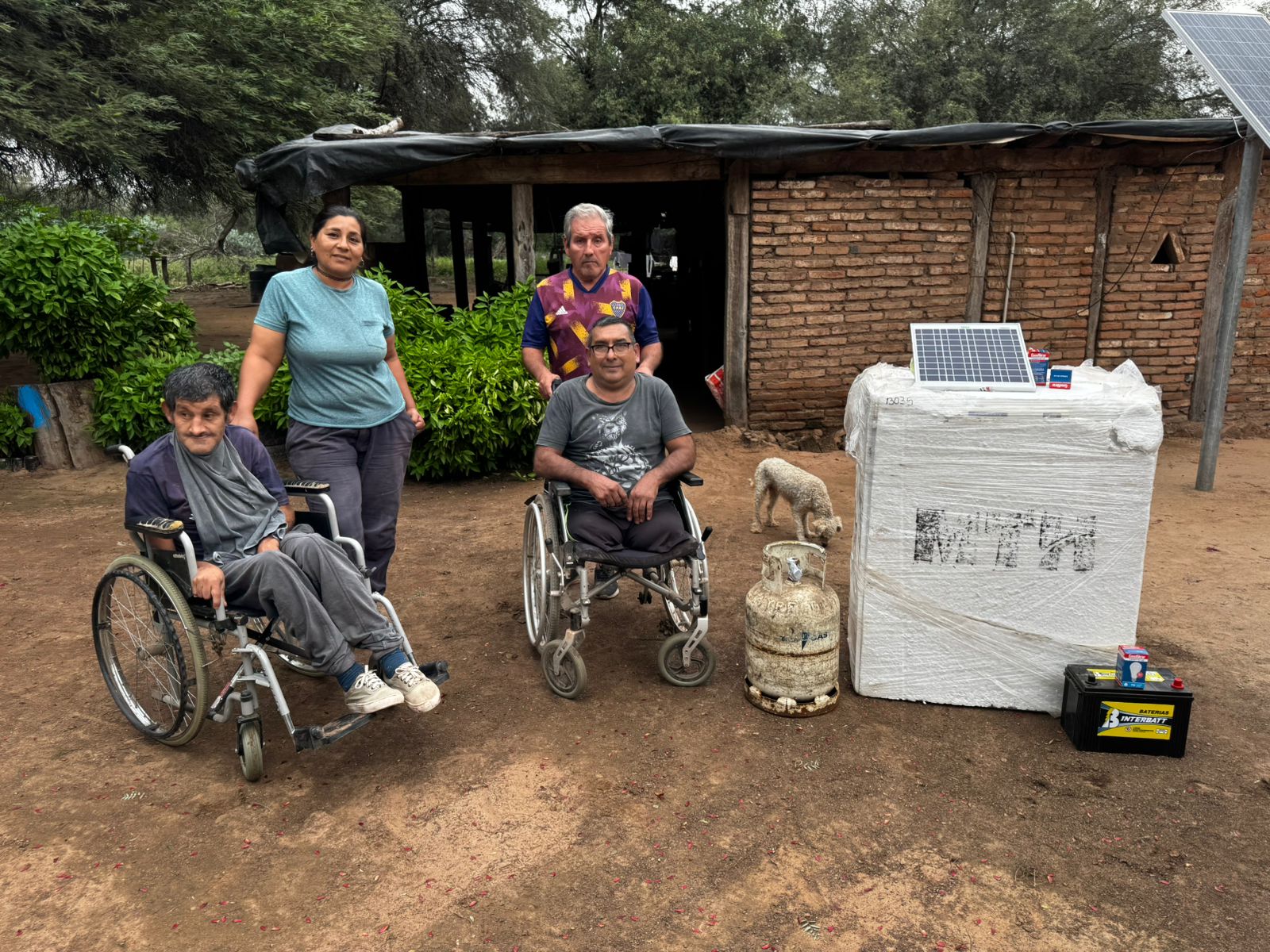
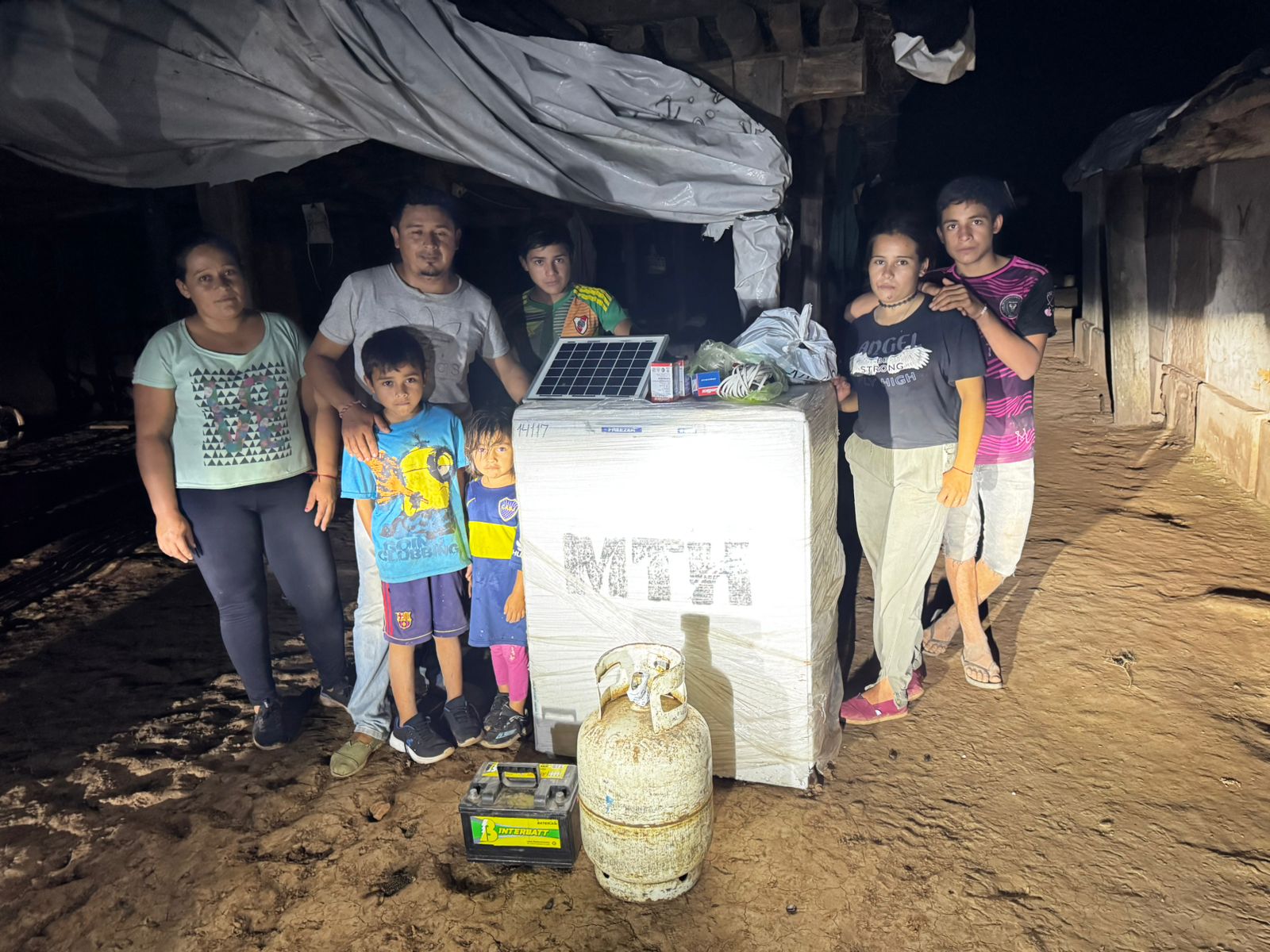
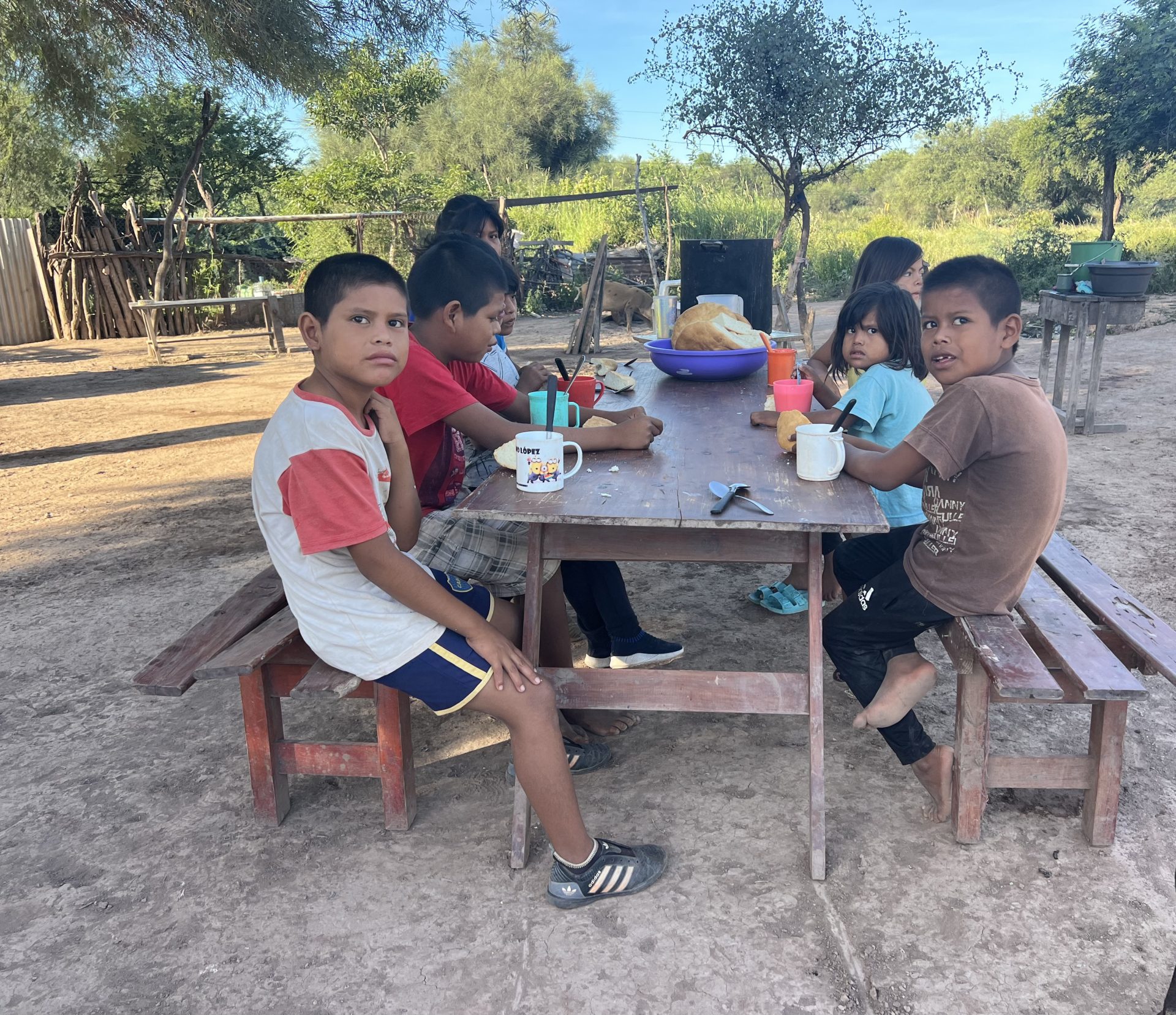
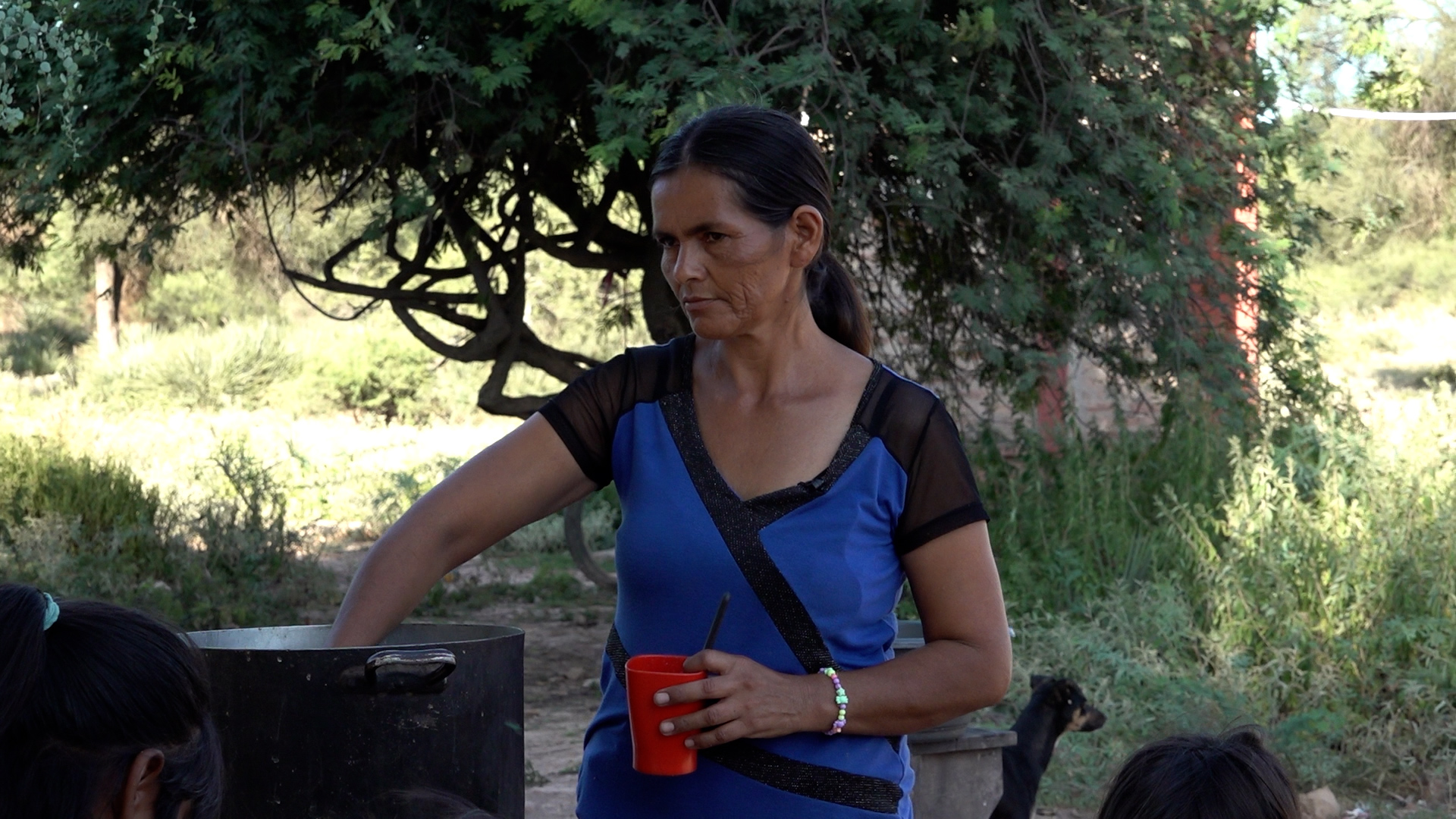
Our team traveled to the Impenetrable to document families surviving without school meals during summer, drinking from contaminated lagoons, hunting daily to feed seven children, or opening their homes to fight hunger in their community. These are not statistics — they are people with names and faces, invisible to mainstream media, carrying out survival strategies that deserve to be seen and understood.
Hambre de Futuro is built from the ground up as community-centered journalism. Before reporting, we map the territory using multidimensional poverty data from UCA’s Observatory of Social Debt and identify local actors — grassroots organizations, community leaders, local governments — who become our guides, sources, and partners. We do not parachute in: we arrive through trust-based relationships and stay long enough to understand structural challenges from the inside.
The project goes far beyond visibility. It is a national — and international — engine of social mobilization: readers across multiple countries consume our content, donate, and engage. Stories published across all LA NACION platforms reach audiences who respond with targeted donations to specific community projects, form strategic alliances with NGOs, and shift public policy conversations. Local organizations gain legitimacy, new allies, and resources. The community is not the object of the story — it is the engine of change.
What makes Hambre de Futuro unusually effective is its integrated architecture: deep investigative journalism, multidimensional poverty mapping, identification of local actors, audience activation, policy advocacy, ecosystem coordination, and rigorous impact tracking — all in a continuous feedback loop. New stories show progress and remaining gaps, feeding the cycle again.
We are the only journalism project in Argentina that systematically enters deep rural territory, documents what mainstream media ignores, and converts that documentation into measurable social impact: resources mobilized, programs created, policies modified, alliances formed. The community is not just the audience — it becomes the network of activators driving transformation.