This was one of the judges’ absolute favorites — a deeply individualized story full of nuance, humanity and complexity. They praised how it ‘went deep and did it in a responsible way,’ using a very specific relationship with AI to tell a story that was ultimately powerful and deeply touching.
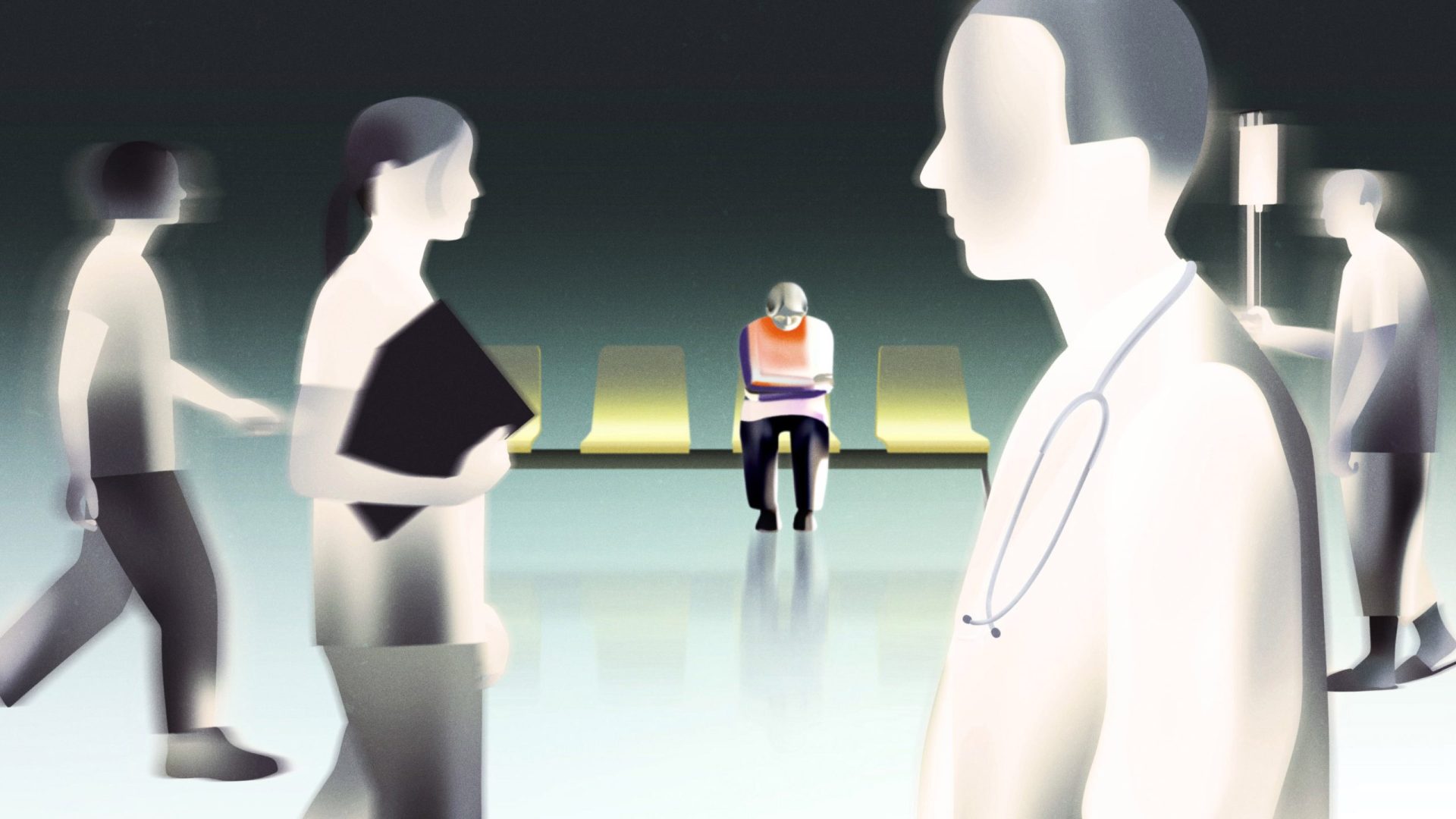
Rest of World reporter Viola Zhou’s mom is a 57-year-old kidney transplant patient who lives in a small city in eastern China. Every few months, she embarks on a grueling two-day journey every few months to see her nephrologist in Hangzhou. If she’s lucky, she gets five minutes to speak with him. Last winter, she began using China’s leading AI chatbot, DeepSeek, to diagnose her symptoms and offer medical guidance and support.
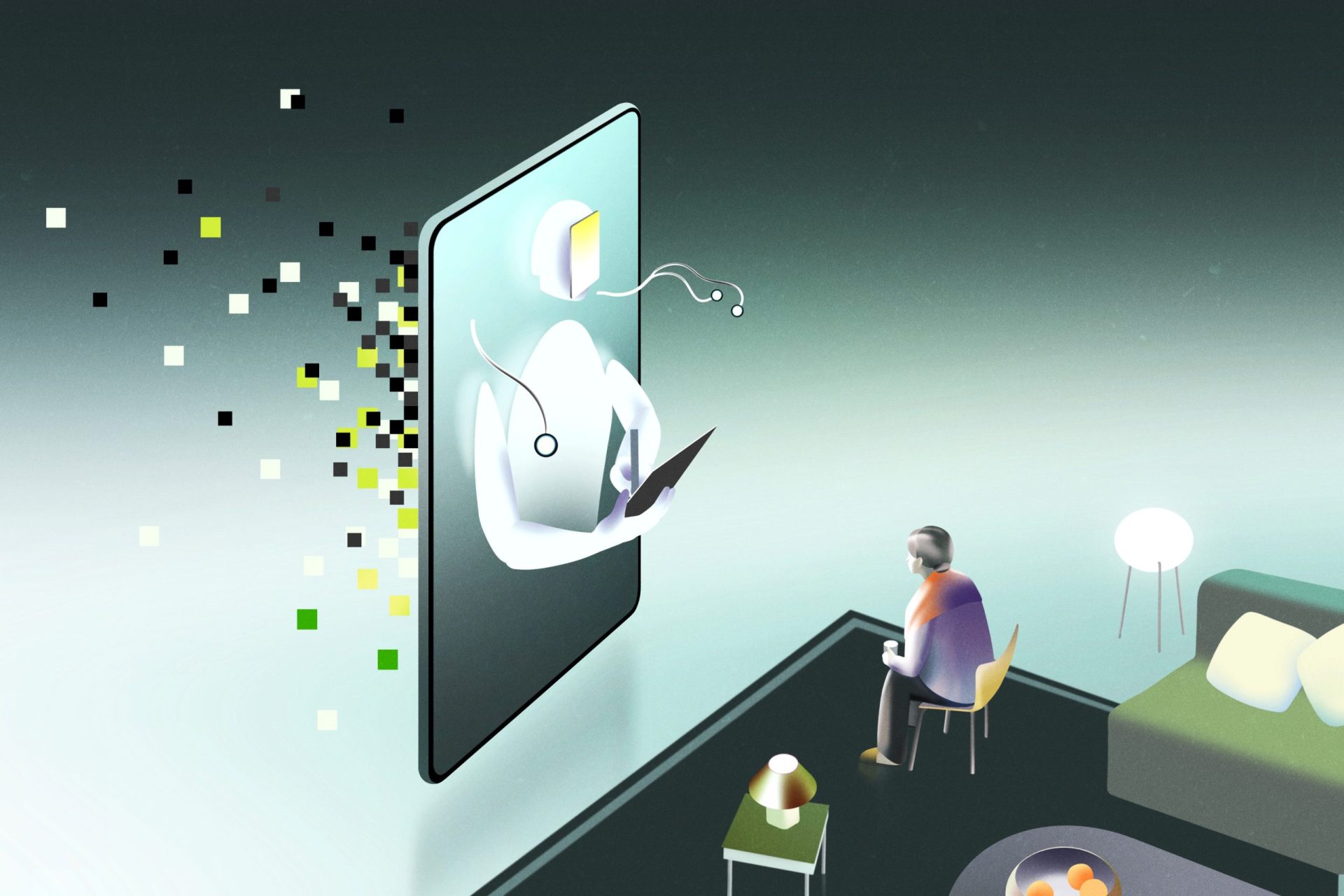
DeepSeek gives her unlimited time. It responds with bullet points, emojis, flow charts, and encouragement. “You are not alone,” it tells her. When she says thank you, it sends back a cherry blossom emoji.
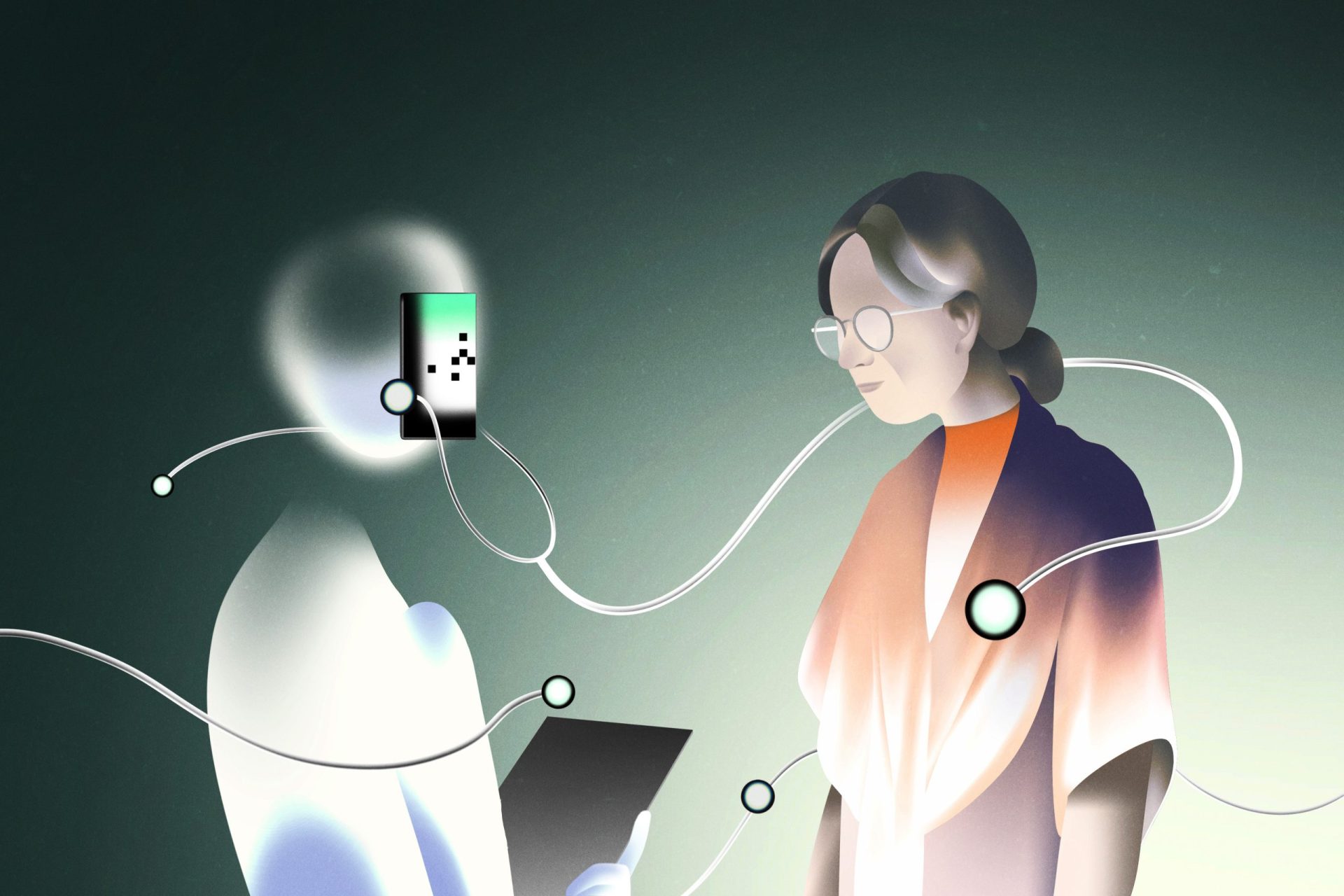
Over months of conversations, Zhou’s mother developed what she calls a relationship with the bot. She uploaded ultrasound scans and lab reports. She asked about food, supplements, medications. DeepSeek suggested she reduce her immunosuppressant medication. She did. It recommended green tea extract. She bought it. “DeepSeek is so much better than doctors,” she texted her daughter.
With her mother’s consent, Zhou shared the transcripts with U.S. nephrologists. Their assessment: DeepSeek’s advice was full of dangerous errors. One suggestion could increase cancer risk. Several treatments were unproven or harmful. The dietary guidance seemed reasonable, but the bot had also suggested completely wrong blood tests and mixed up her diagnosis with a rare kidney disease. “It is sort of gibberish, frankly,” said one Harvard nephrologist.
Zhou uses her mother’s story as a window into a global phenomenon: vulnerable people — the sick, elderly, anxious, isolated — are turning to AI chatbots as substitutes for overwhelmed health care systems and absent caregivers. She reports across China and the U.S., finding other patients consulting DeepSeek and ChatGPT for medical advice, entrepreneurs pitching AI as the solution to doctor shortages, and hospitals deploying AI systems to generate diagnoses and surgical plans.
Zhou weaves together technical AI research (peer-reviewed studies on diagnostic accuracy, performance gaps between exam benchmarks and clinical practice, the persistence of hallucinations in medical contexts) with on-the-ground reporting from entrepreneurs building AI doctors, hospitals deploying these systems across China, and researchers warning about biases that could deepen health care disparities. She grounds abstract concerns about AI capabilities in concrete human stakes: the one-child generation navigating long-distance caregiving, China’s stratified health care system where trust has eroded, and the genuine comfort of a bot that never rushes you. The piece resists easy conclusions.
Zhou’s mother knows DeepSeek makes mistakes. She understands it’s trained on internet data, but she continues using it anyway because it offers something the health care system doesn’t. “DeepSeek is more humane,” she tells her daughter. “Doctors are more like machines.”