Really captured the emotions of the family in a raw and intimate way. Excellent cinematography in this piece, further impressive that it was done by just one journalist.
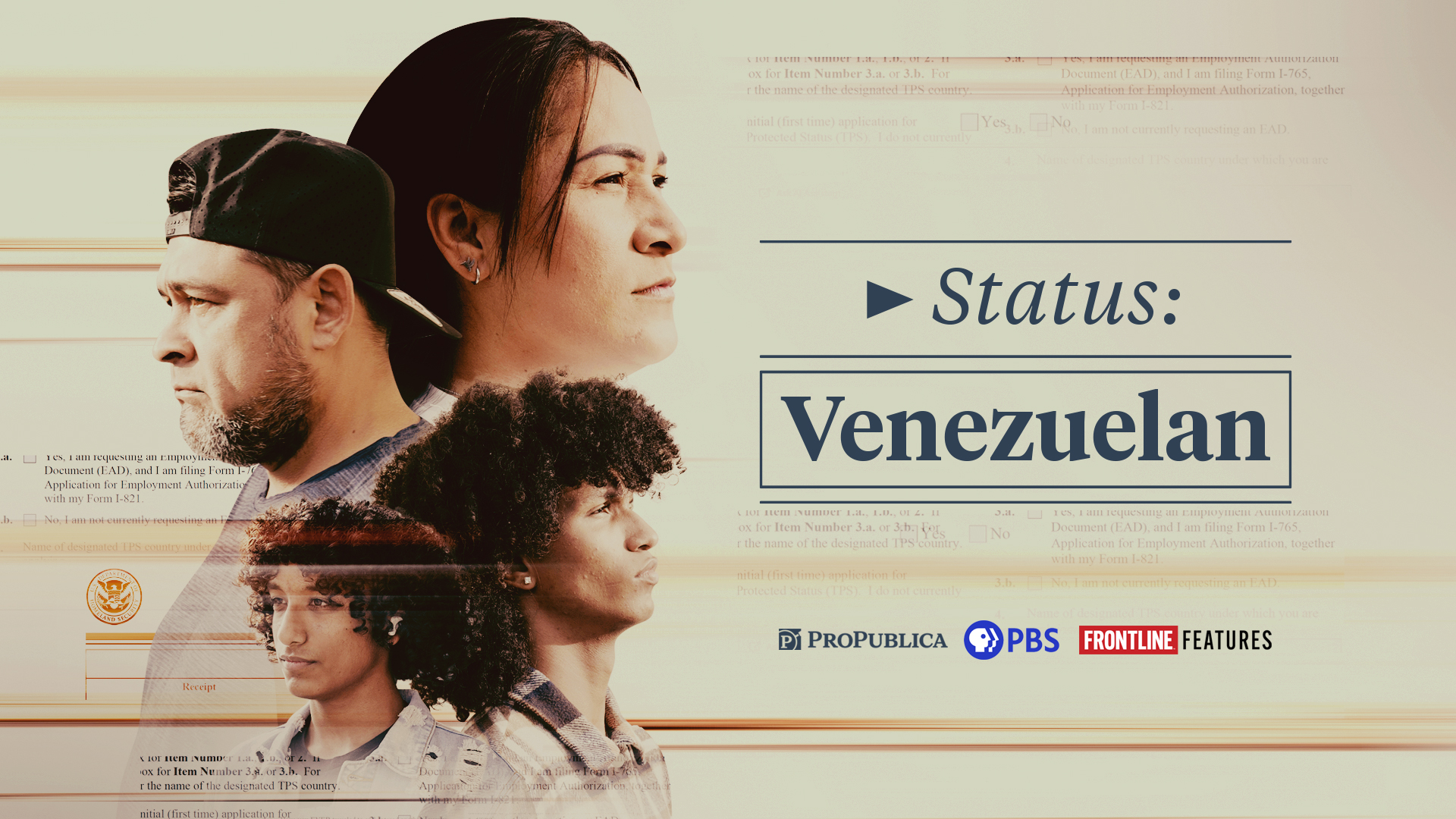
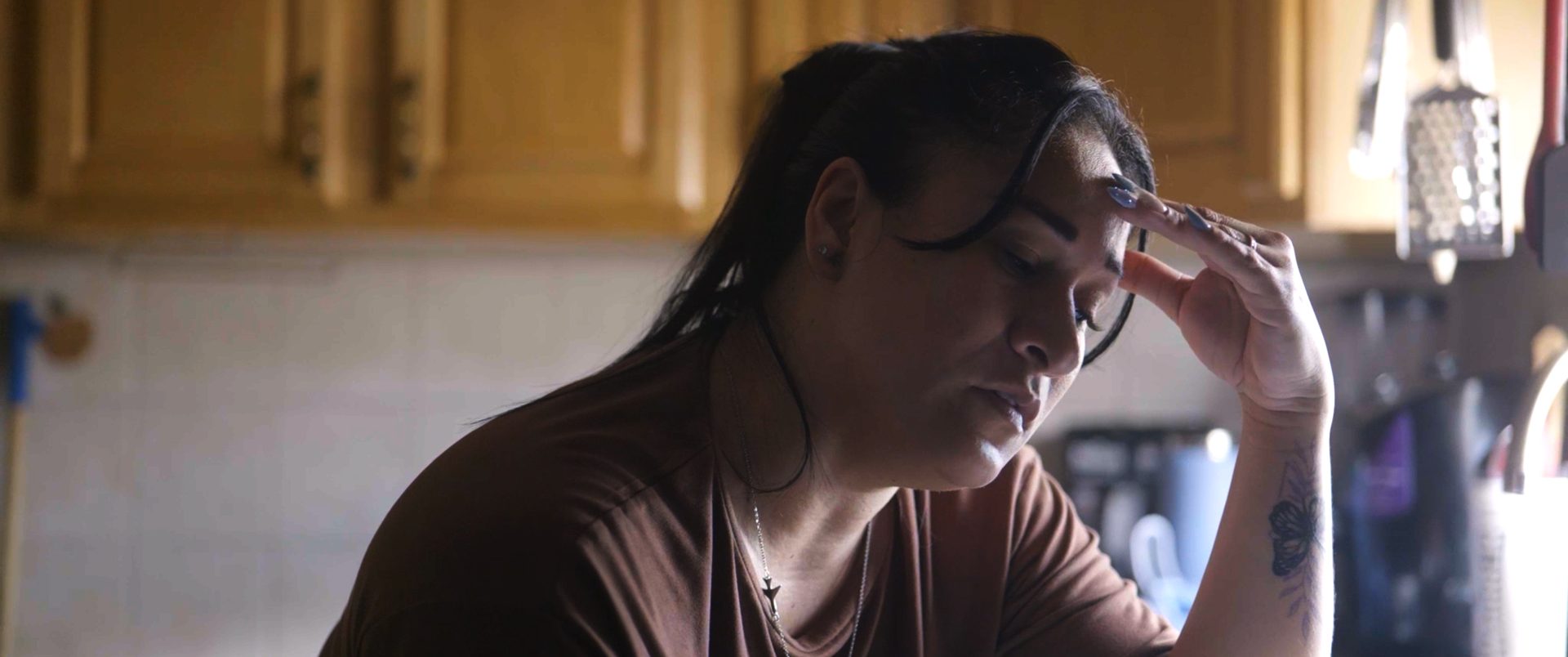
On a chilly afternoon in January, just a week after President Donald Trump’s inauguration, filmmaker Mauricio Rodríguez Pons met Yineska, who is at the center of this immersive documentary from ProPublica and FRONTLINE FEATURES. The Venezuelan mother of two had come to the United States under Biden’s humanitarian parole program. Now she was in a bind. One of Trump’s first executive orders had rescinded the program that allowed Yineska to enter the country and stay legally for two years. She feared that the new life she had worked so hard to build for her family was about to unravel.
This story was not hers alone. Hundreds of thousands of Venezuelans in the U.S. faced that anxiety as the programs that had offered the potential to enter and stay were being questioned or dismantled. In and around Doral, the city where Rodríguez Pons lives and the heart of the largest Venezuelan diaspora in the United States, the tension was palpable.
Under the Biden administration, more than 700,000 Venezuelans received temporary legal status through several pathways. Humanitarian parole offered protection from deportation for up to two years to a limited number of applicants who passed background checks and had U.S. sponsors. Temporary Protected Status (TPS) provided protection to migrants from unstable countries, first granted in 2021 and expanded in 2023 to cover Venezuelans already living in the U.S. Asylum offered a path for those claiming persecution based on race, religion, nationality, political beliefs, or membership in a particular social group.
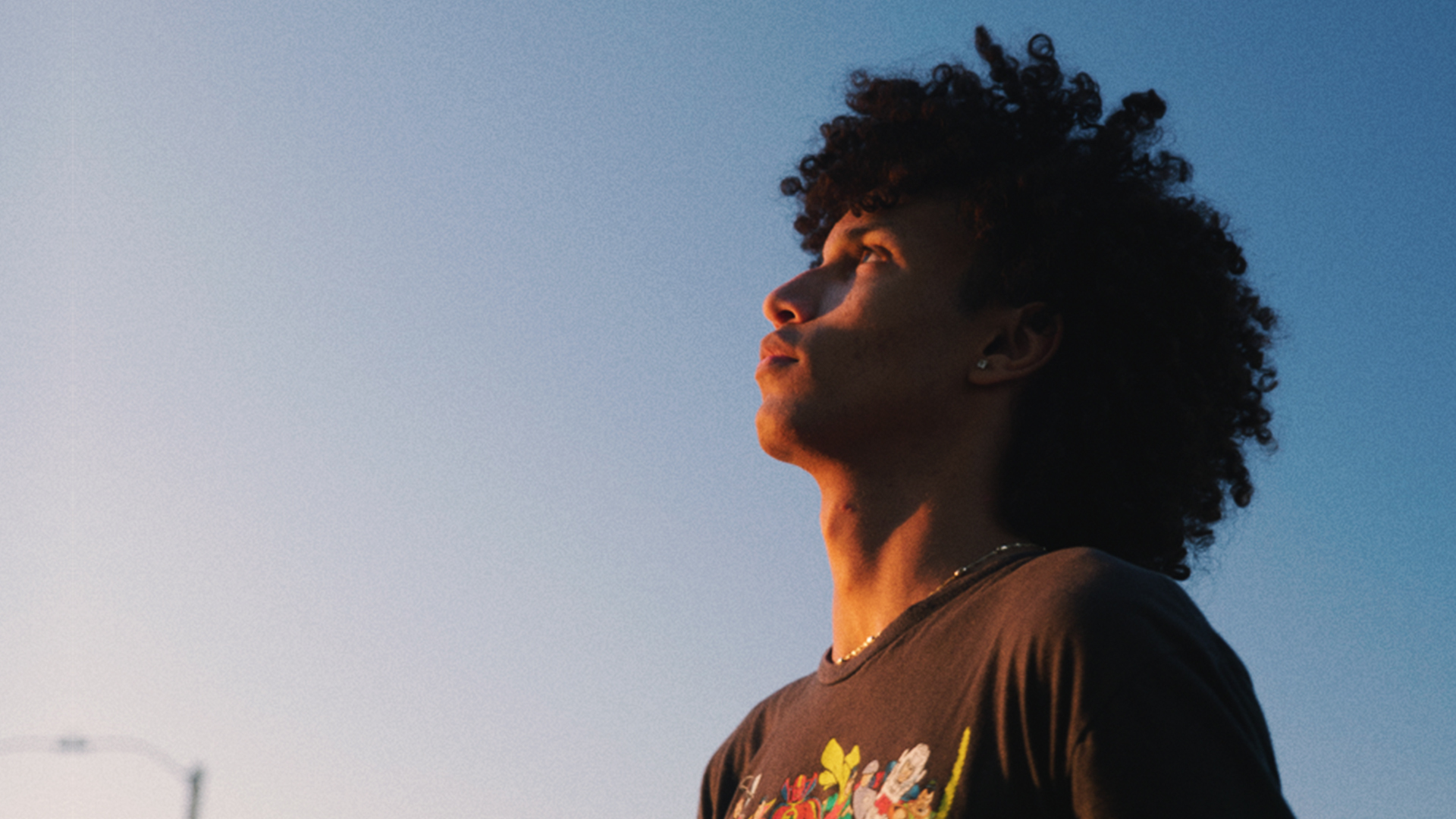
Yineska, her sons and her partner Eduard benefitted from these programs, never imagining that in 2025, their safety would be put to the test. When the Trump administration announced it planned to terminate TPS, saying it was no longer necessary, it affected more than 350,000 Venezuelans, including Eduard. But the problems Yineska had fled remained unchanged: hyperinflation, corruption, collapsing basic services and rampant insecurity made returning home impossible. The State Department placed Venezuela in its highest-threat category. “How could I raise my kids in that chaos?” she asked. Her teenage sons were her daily reminders of why staying in the U.S. mattered, whatever the cost.
Over the course of nearly a year, Rodríguez Pons followed the family to create this immersive feat of nonfiction storytelling. It’s a testament to Rodríguez Pon’s talents. He directed, produced, shot and edited this powerful, cinematic film. His graphics offer the context to understand what drove the family out of Venezuela, and the complex immigration system they struggle to navigate. But it is the moments of daily life – the birthdays, the morning coffees and quiet moments in the kitchen – that capture the experience of millions of families in the U.S. of mixed or uncertain status. They are living in between the American dream they left their countries to seek and the often nightmarish reality of that dream deferred.
“Status: Venezuelan” premiered at the 2025 Double Exposure Film Festival and is distributed by ProPublica and FRONTLINE FEATURES in collaboration with Univision.