


The Seattle Times is a regional reporting powerhouse. Over the past year, Times readers learned about failures and gaps in governmental systems and under-the-radar medical practices that put people in crisis at risk. They learned of unprecedented demand for electricity in an age of an artificial intelligence arms race, and how it, along with climate change, is pushing a major river in the West to the brink. Then, this December, record flooding struck Washington state.
This coverage exemplified the essential nature of our work — presented with innovative storytelling, publishing and design techniques.
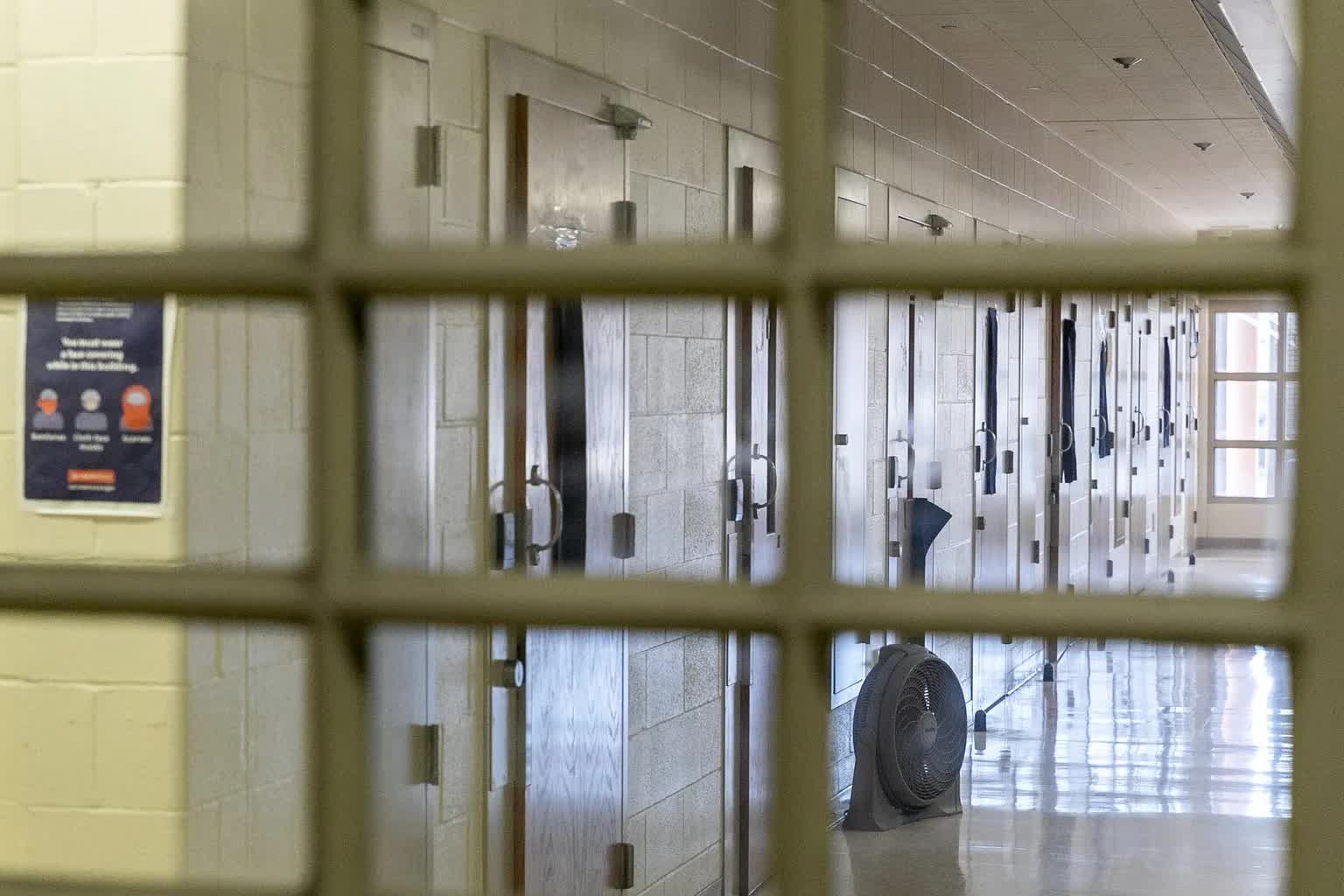
The investigative team’s “Uncommitted” series exposed the underbelly of one of Washington’s most expensive and out-of-view institutions: the Special Commitment Center, a facility intended to treat people with a history of sexual violence. Reporter Rebecca Moss reviewed 7,000 pages of state inspection reports, as well as court, police and 911 records, that showed warnings ignored by state officials and courts. This powerful reporting was supercharged by sources who responded to callouts in stories and through social media.
Our accountability work continued as Mental Health Project reporter Hannah Furfaro investigated the use of mesh bags, called spit hoods, as a form of control inside emergency departments, ambulances and psychiatric wards. “Shrouded in Secrecy” is the first nationwide investigation into how healthcare workers are using the hoods to dangerously restrain patients. This series’ immersive visual and interactive strategy included a national map and searchable database of disparate state policies.
In Seattle, a 911 nurse line is supposed to ease the pressure on ambulances by diverting some callers to nonemergency care. But in reality, Times reporter Dan Beekman found, most callers sent to the nurse line are still being taken to hospitals and Seattle’s private-equity-backed contractor is using the line to sidestep accountability. The Times centered the lead story of this watchdog series around the phone calls that Seattle retiree Pamela Hogan placed to 911 before she died. The audio clips guide online readers through Hogan’s wait and make it real. Times artist Jennifer Luxton complemented the audio clips with snapshot illustrations rendered in streetlight yellows and night-sky blues. The approach helped readers connect with Beekman’s reporting on a visceral level. They heard Hogan’s voice quiver. They saw the minutes ticking by. They waited alongside her.
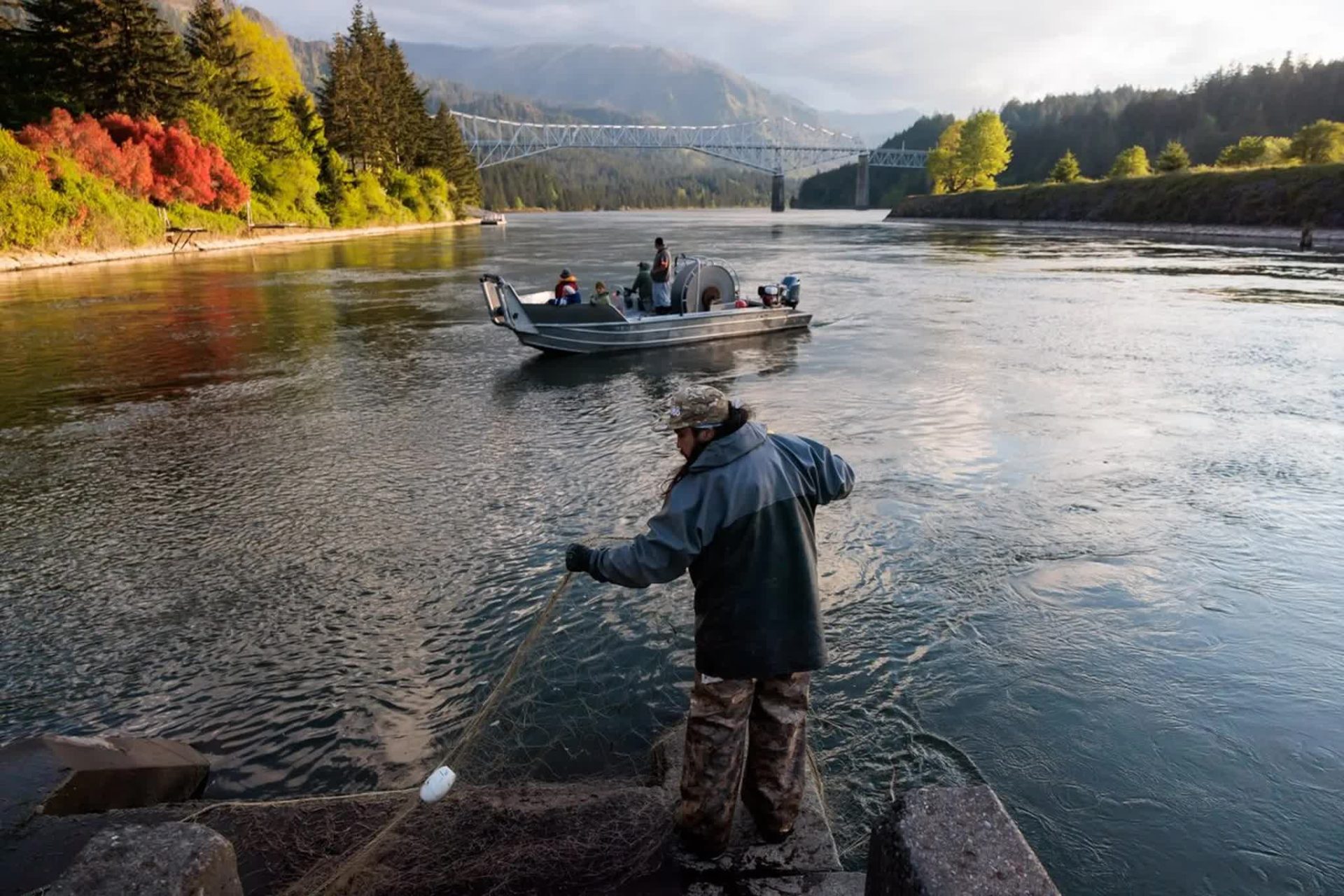
Through a mix of narrative, illustrations, photos and video, the Times’ Climate Lab told the story of the Columbia River. Its immense power can be traced millions of years into the past, when it was shaped by fire and ice. Humans harnessed its potential for hydropower, irrigation and transportation, building massive dams. Now climate change has pushed this river to its limit.
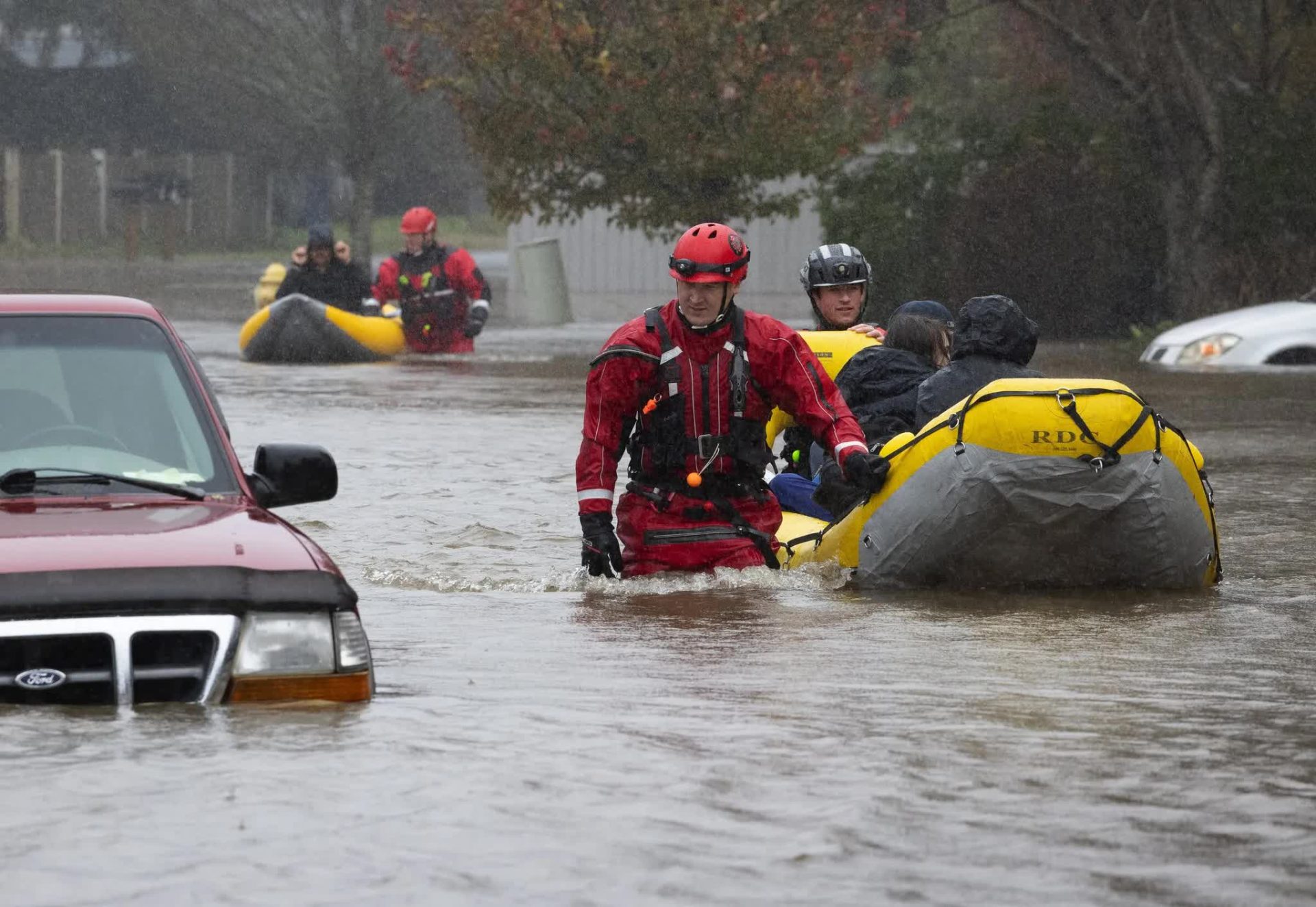
Up-to-the-second reporting and digital publishing defined the Times’ all-newsroom effort to cover record December flooding. The floods destroyed nearly 4,000 homes, washed away vital highways and breached levees. As communities held their breath, we also reported on how years of government inaction put so many lives at risk. For this work, the Times was named a 2026 Pulitzer Prize finalist.