Our investigation highlights the vital necessity of social vigilance and the pivotal role of journalism in auditing the healthcare system.
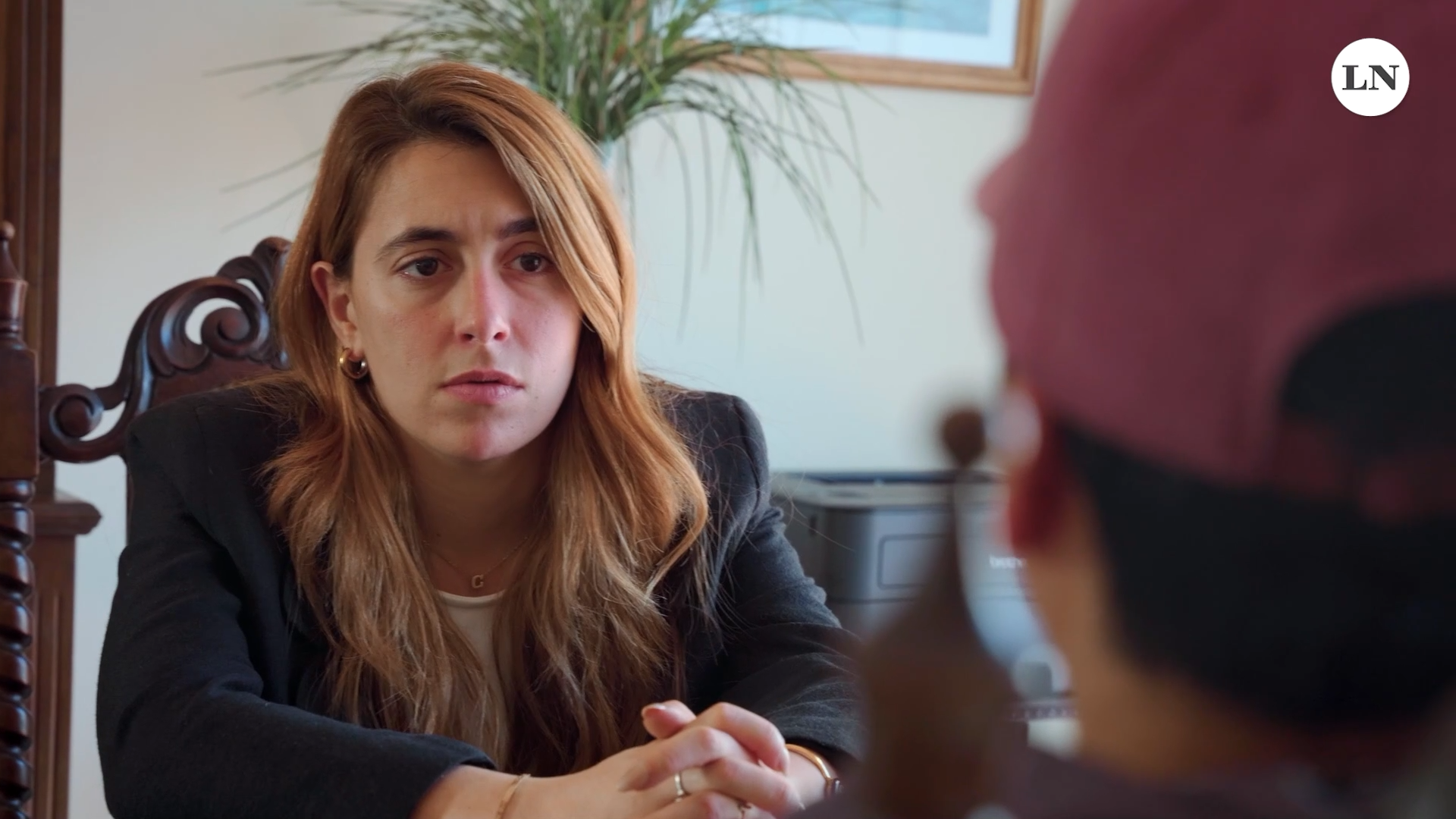
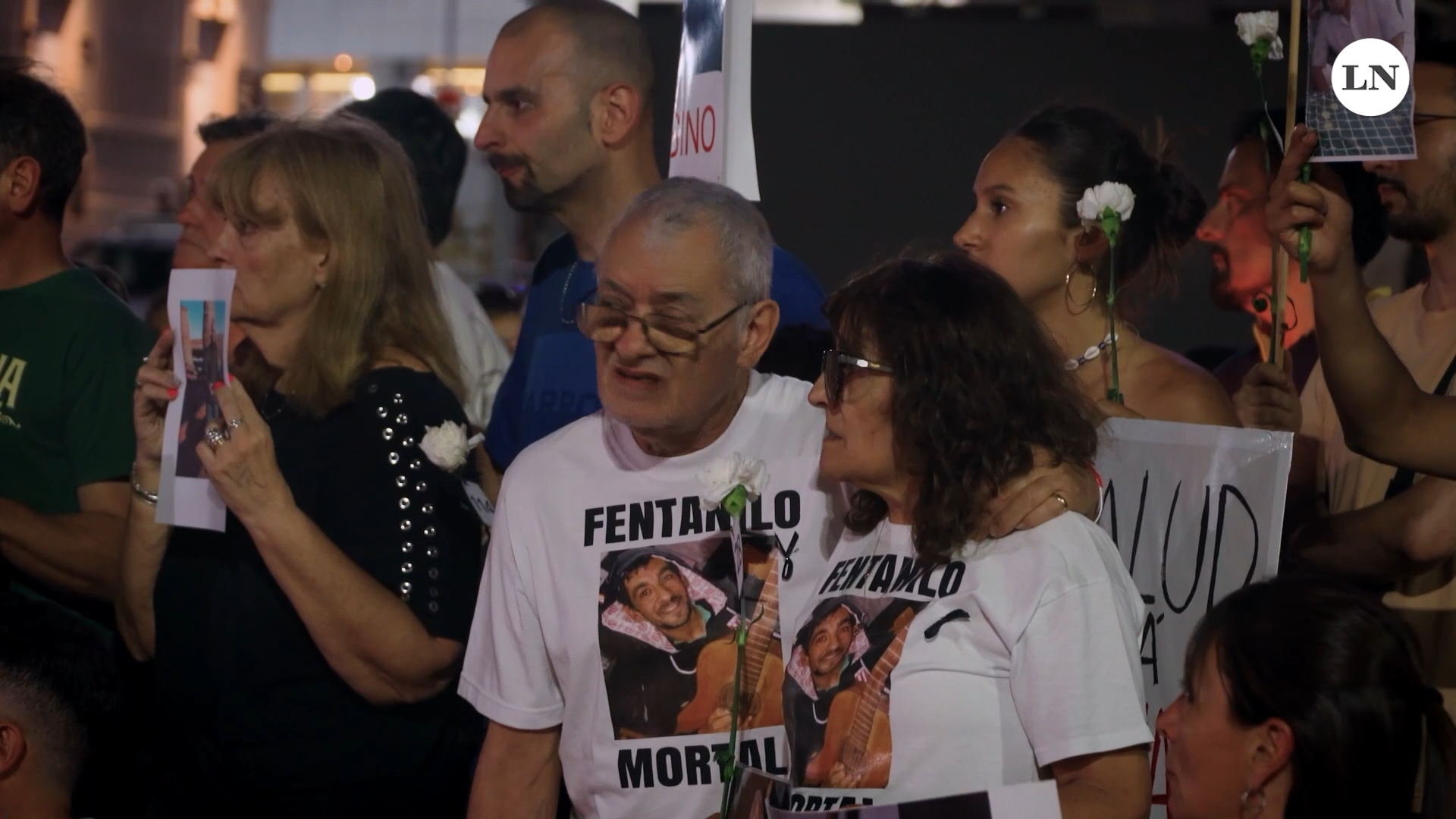
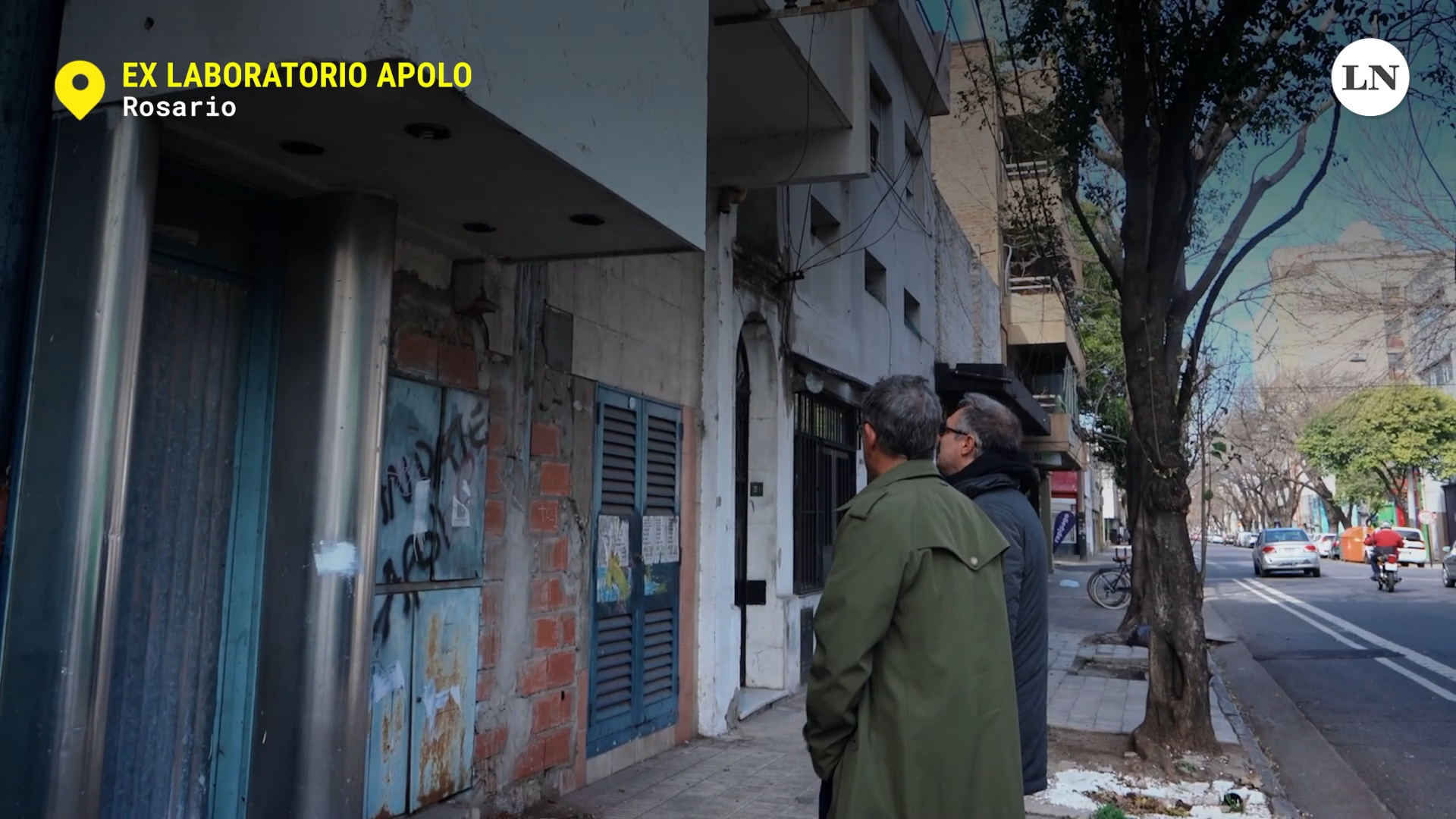
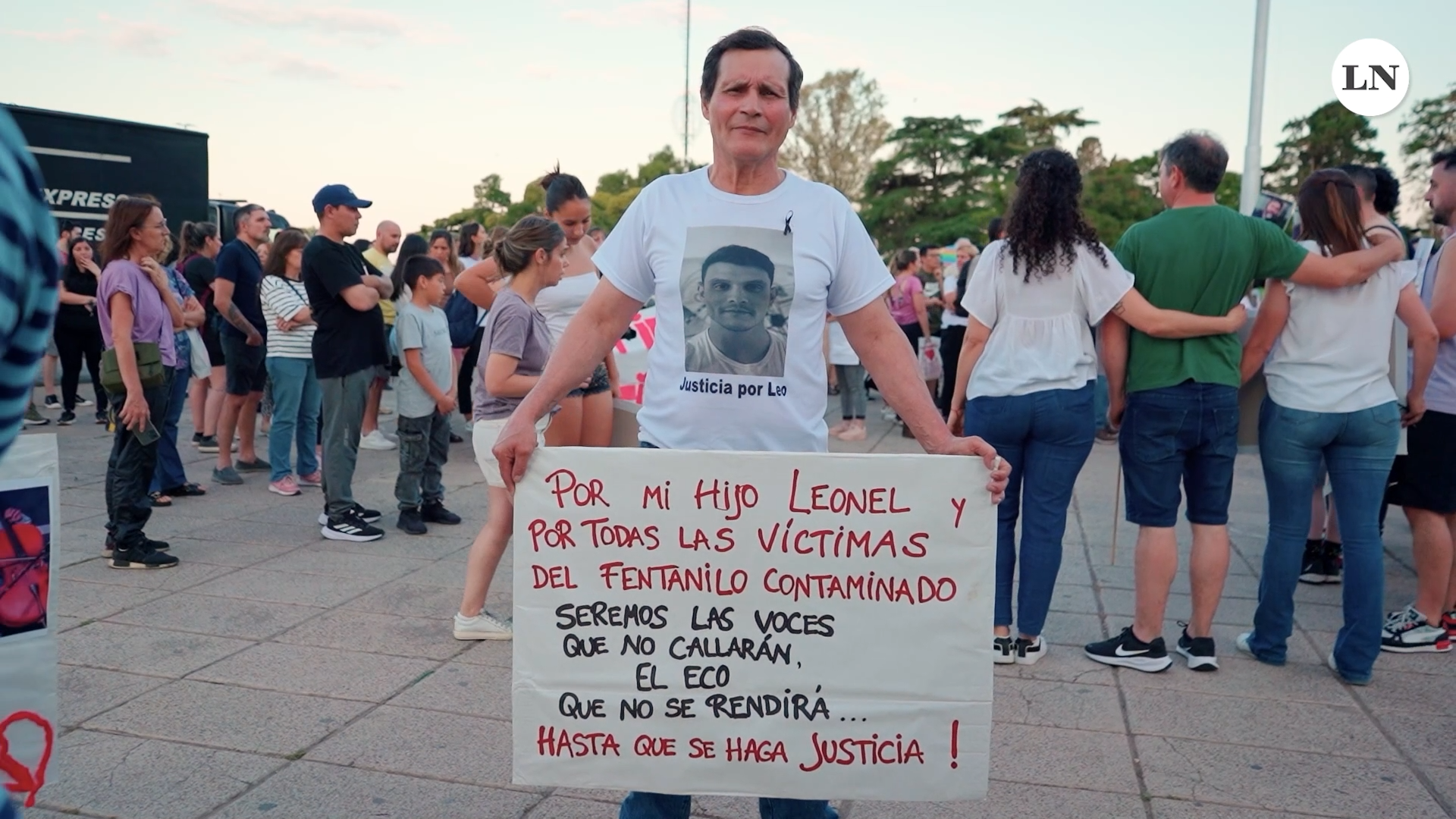
Between late March and mid-April 2025, a bacterial anomaly detected in several hospitals across Argentina led to the deaths of hundreds of patients. The only link between these individuals was their use of fentanyl produced by Ramallo Laboratories and HLB Pharma. At the time, news reports on the case were treated as an isolated incident within the healthcare system. Camila Dolabjian, a journalist at LA NACION, felt that this could not simply be an isolated case or the result of “possible human error” in a pharmaceutical production process. Journalists Diego Cabot, Camila Súnico and Germán de los Santos joined her investigation, whilst Matías Boela and Cecilia Miljiker led the video team. What began as a health mystery turned into a multimedia investigation that exposed a systemic tragedy, revealing a network of collusion and close ties between the owners of HLB Pharma—Ariel García Furfaro and his family—and the highest echelons of political and judicial power.
Our approach was defined by a dynamic, multimedia release strategy designed to build public momentum while the investigation was still unfolding.
Scientific Integrity and Public Understanding
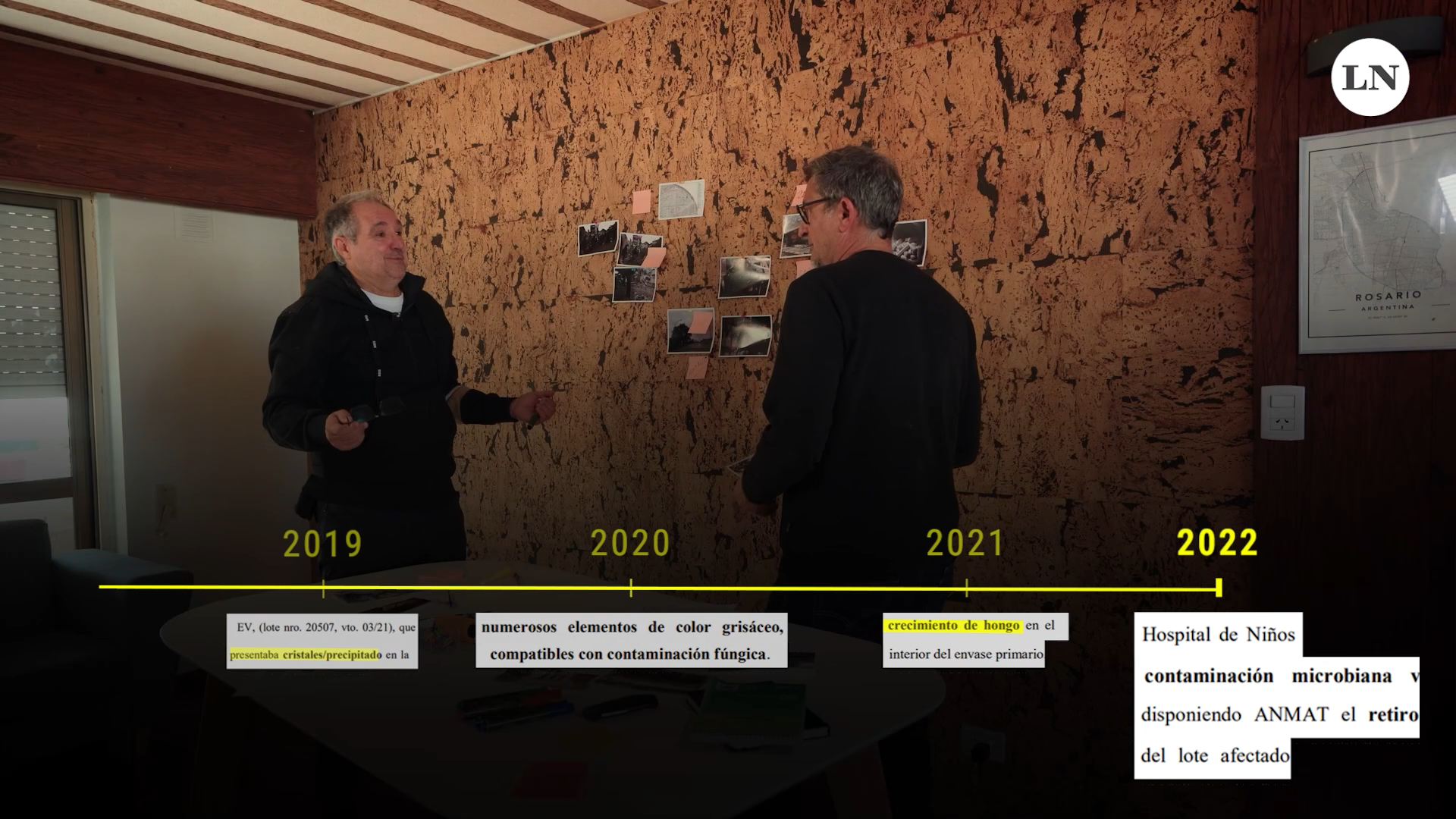
Our team faced the challenge of translating complex microbiological data and pharmaceutical manufacturing protocols into an accessible narrative. We prioritized the use of facts to explain how a “bacterial anomaly” was not a random act of nature, but the direct result of compromised industrial safety standards. By meticulously analyzing internal documents and public access information, we ensured that the scientific evidence remained the undisputed core of the reporting, maintaining absolute editorial integrity throughout. The team also faced the challenge of translating complex scientific terms into accessible language for a broad audience
Digital Production and Editorial Strategy
Our strategy was defined by a phased, real-time investigative model. We published our findings in written articles as they were uncovered, accompanied by exclusive video clips—such as the crucial testimony of the García Furfaro. This allowed the audience to follow the investigation step-by-step. Simultaneously, we filmed the long-form documentary, strategically withholding key video evidence and exclusive interviews for the final release. This documentary served as the project’s backbone, unifying complex data into a cohesive, high-impact video.
Engagement and Impact We sought to deep engagement with the affected communities. By consistently accompanying the families in their marches and public demands, we built the trust necessary for them to speak on camera. This bond allowed us to move from clinical reporting to a powerful social inquiry. Many relatives, initially paralyzed by fear of the Furfaro brothers’ political influence, decided to share their stories only after seeing our sustained commitment to the truth.