In 2025, as immigration enforcement intensified under the Trump administration, reporters across The 19th began hearing similar concerns from different corners of the country: pregnant and postpartum immigrants were being detained by U.S. Immigration and Customs Enforcement (ICE), despite prior limits on such practices.
Those signals prompted a coordinated reporting effort grounded in beat expertise, deep sourcing and an ability to anticipate the real-world consequences of policy shifts. Across five stories, Mel Leonor Barclay and Shefali Luthra document how that enforcement change reshaped access to care, family stability and maternal health — often in ways that remained largely invisible to the public.
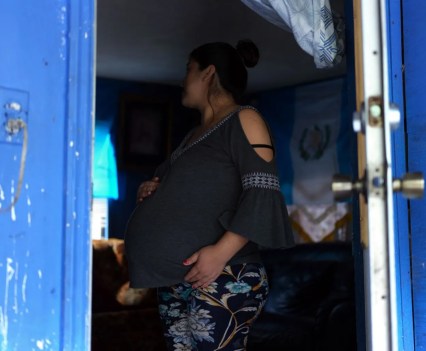
The series begins with firsthand accounts from pregnant immigrants navigating prenatal care under threat of detention. Women described skipping appointments, avoiding ICE check-ins and making decisions shaped by fear that they could lose access to doctors, support systems or even their newborn children. The reporting shows how policy uncertainty translates into missed care, untreated complications and mounting anxiety.
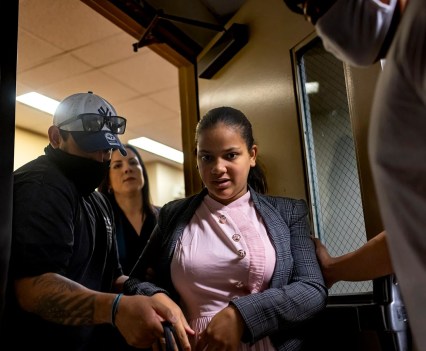
Subsequent stories examine ICE detention practices more directly. Through interviews with attorneys, advocates and medical experts, the reporters found that pregnant and nursing immigrants were being held in facilities not designed for their needs, raising concerns about access to appropriate care and the risks associated with detention during pregnancy and postpartum recovery.
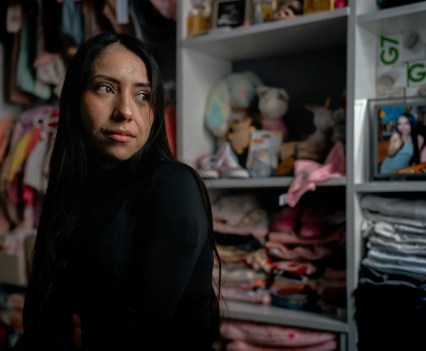
The reporting then expands to postpartum detention, documenting the physical and emotional realities of recovery in custody — including challenges related to healing, breastfeeding and bonding with newborns under supervision. Another story extends beyond detention facilities, showing how fear of enforcement is leading some pregnant immigrants to avoid prenatal care altogether.
The reporting traces the issue into the policy arena, including a congressional resolution introduced by Rep. Delia Ramirez seeking to limit the detention of pregnant and postpartum immigrants. When the Department of Homeland Security finally released the official numbers of pregnant, postpartum and nursing immigrants detained and deported since the start of the Trump administration, Luthra was able to quickly place the data in context for the online audience.
At the center of the series is deeply reported, intimate storytelling that captures the human consequences of immigration enforcement for women and families. That required overcoming significant barriers to access, verification and trust. Pregnant and postpartum detainees are difficult to identify, and many cases receive little or no public attention.
Barclay and Luthra spent months locating sources through court records, civil rights lawsuits, crowdfunding platforms and advocacy networks. They corroborated accounts with detention records, government statements and expert consultation, often reporting in real time as cases unfolded. The journalists also conducted multilingual and community-based reporting, meeting sources where they were and building trust over repeated conversations.
The result is a cohesive body of work in which each story builds on the last, creating a clear throughline: how immigration enforcement policies ripple outward, shaping health outcomes and daily life for people navigating pregnancy and early parenthood.