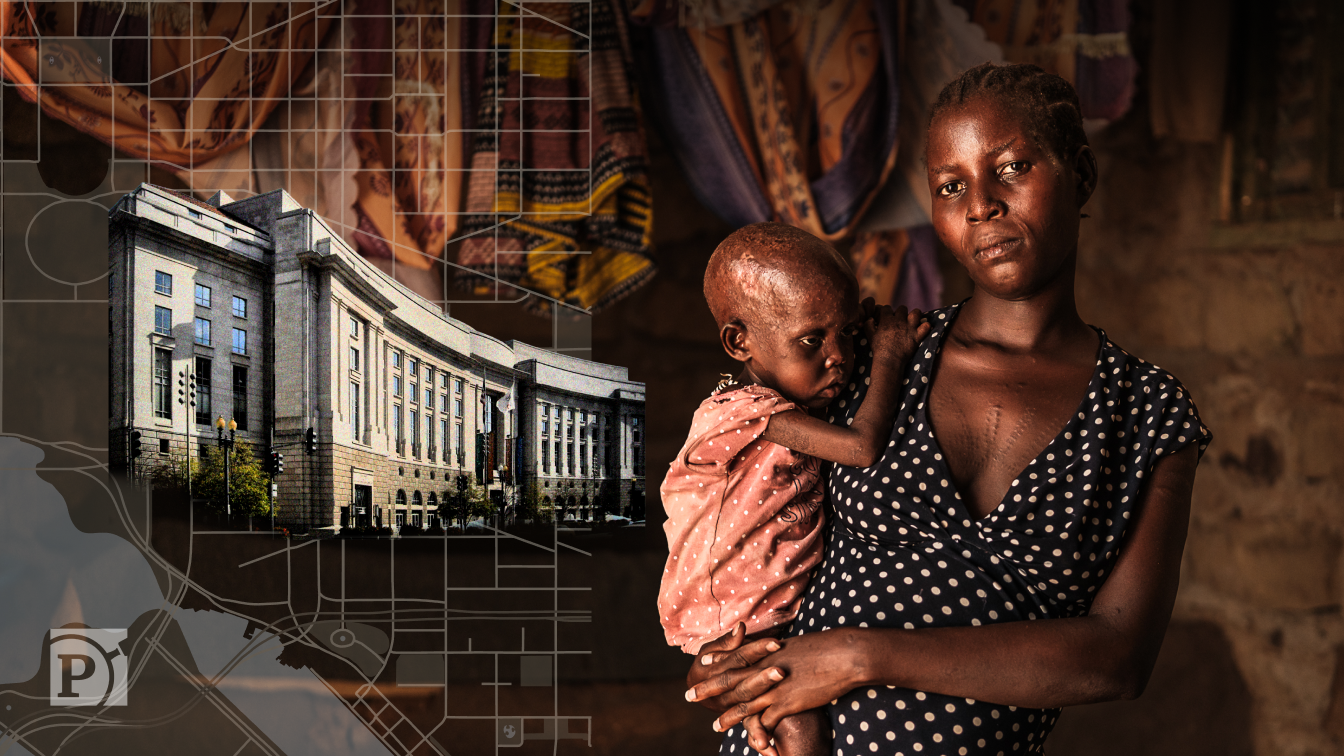
In January 2025, the Trump administration issued an executive order that froze all U.S. foreign aid pending a review of whether programs aligned with the administration’s stated values. Secretary of State Marco Rubio claimed that lifesaving and food operations would remain active during the administration’s review. ProPublica reporters Brett Murphy and Anna Barry-Jester immediately learned that was not true. This seven-minute video explainer is their account of how the U.S. Agency for International Development, a 60-year-old, congressionally created federal agency, was dismantled almost overnight. And they connect the resulting harm, including deaths of people who depended on the aid, to the U.S. policymakers and political appointees responsible for the cuts.
The reporter-led video format was purposeful. Murphy has covered both the State Department and public health in the U.S. Barry-Jester has covered health in the U.S. and abroad for 15 years. Their expertise and vast reporting for the investigative series from which the video was adapted provide trust and credibility signals for viewers. This isn’t just a video about a story. It’s a video led by the very journalists behind the reporting explaining what they know and how they found it.
What they found was a story of an American-made crisis:
Peter Marocco, who’d been formally rebuked by USAID during the previous Trump administration, and Jeremy Lewin, a 28-year-old DOGE operative with no government or aid experience, often personally decided which USAID programs should be axed.
Contrary to Rubio’s promise of a careful review, a cast of Trump’s lesser-known political appointees and DOGE operatives also slashed programs while ignoring dire warnings from veteran career staff and abandoned vital operations by clicking through a spreadsheet or ignoring requests in their inboxes. The abrupt moves left aid workers and communities with no time to find other sources of funding, food or medicine.
Sources told the reporters about a day when political appointees gathered in a conference room to trade congratulatory speeches and share a sheet cake to commemorate everything they’d done to dismantle the agency.
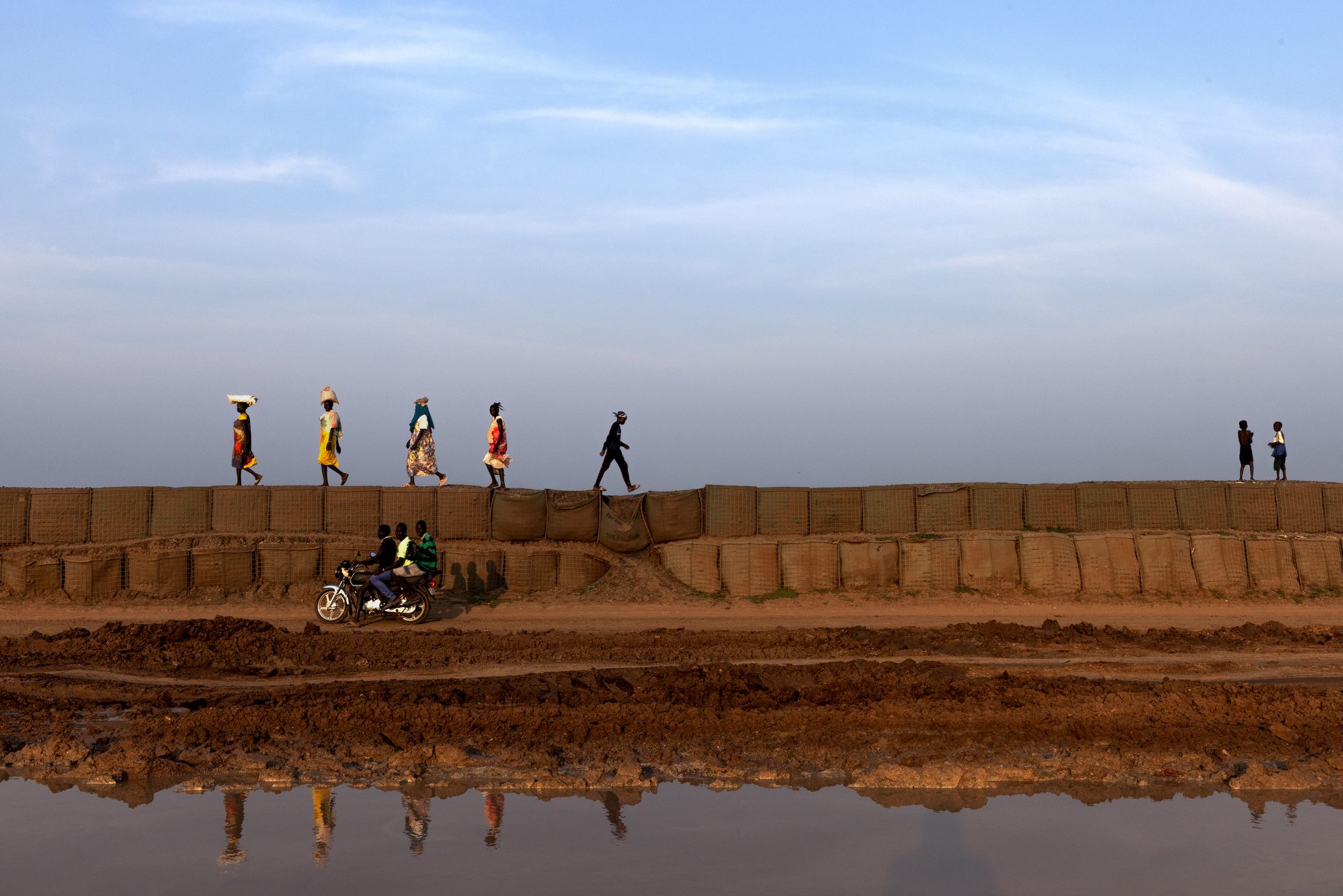
To fact check Rubio’s claims that lifesaving aid programs were still operational, the reporters journeyed to refugee camps in Kenya and South Sudan. In war-torn South Sudan, they hiked and boated to the epicenter of the country’s cholera outbreak, visiting remote communities — including those in rebel-held territory — interviewing families and collecting evidence documenting cholera’s devastation after essential services stopped.
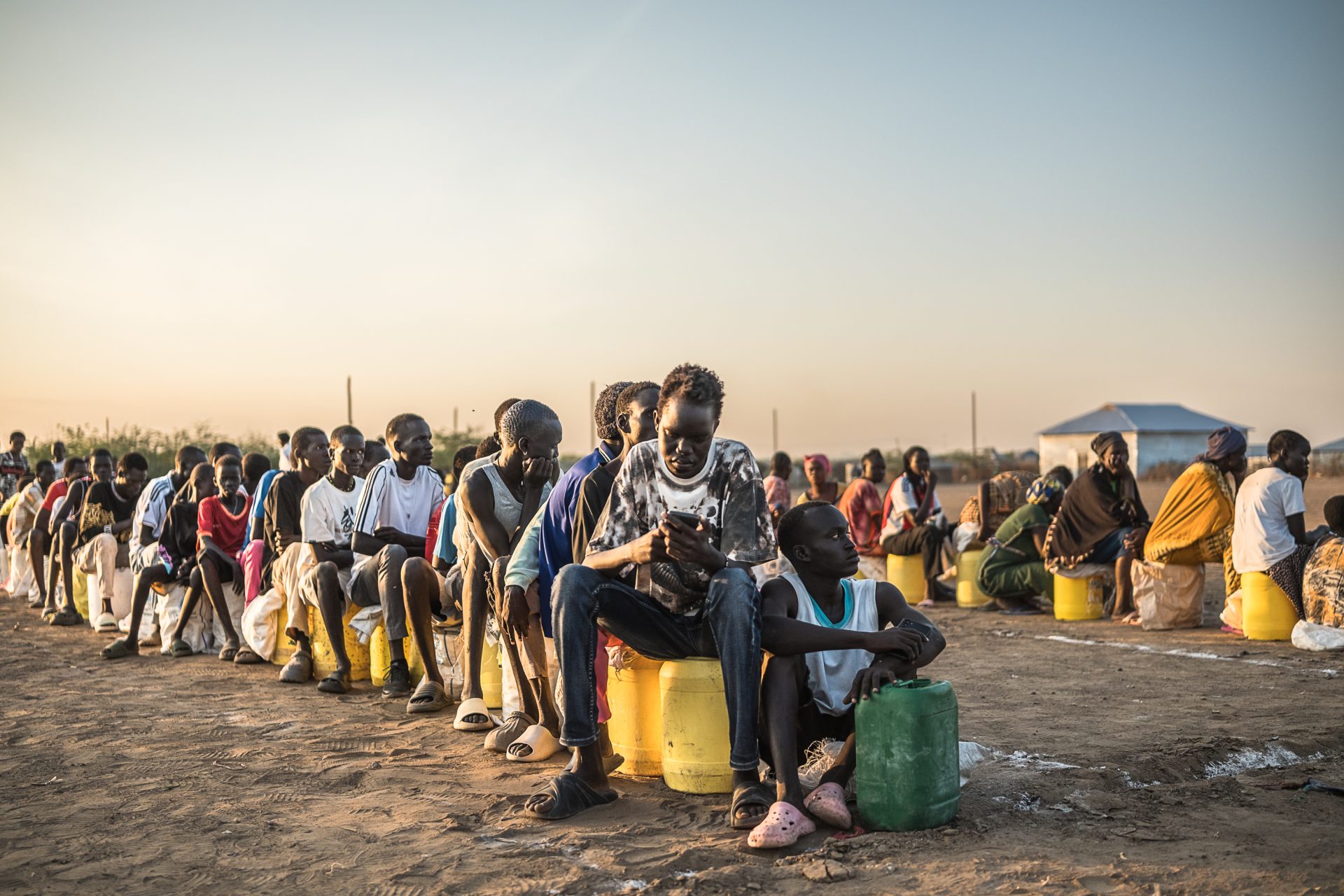
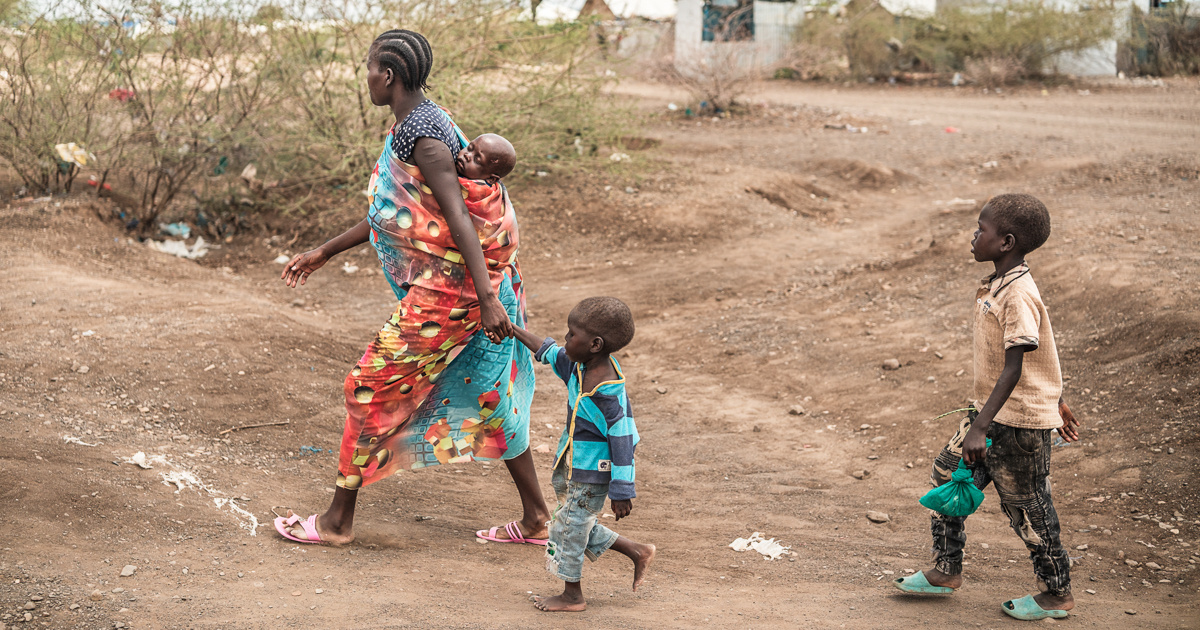
In Kenya, they traversed the sprawling Kakuma refugee camp on foot and motorbike to meet families who lost children to malnourishment after the U.S. choked off funding for food aid. They interviewed officials and obtained access to hospital records and staff to verify those accounts.
This video brings all of it together — the officials, the places, the people affected — into a single, cohesive piece of journalism built for audiences who consume news on screen.