


Climate change is one of the most important stories in the world that is also one of the hardest to get audiences to pay attention to.
The Climate and Environment team at the Associated Press launched an initiative called Climate Choices. The team’s goal is to overcome that gap by finding fun and engaging ways to reach people, in particular audiences on social media.
A central part of the initiative is a social video series that makes climate journalism more relatable and approachable for digital audiences.
Instead of focusing on abstract global problems, the series centers on small, relatable decisions people make every day: how they shop, eat, stay cool or manage waste.
The goal is not to place the burden of solving climate change onto individuals, but to show that climate-conscious choices can also improve daily life, save money or build community.
Social audiences are unlikely to stop scrolling for dense statistics or hard to digest information. So the team focused on translating complicated climate topics into visually engaging storytelling optimized for platforms like Tiktok and Instagram.
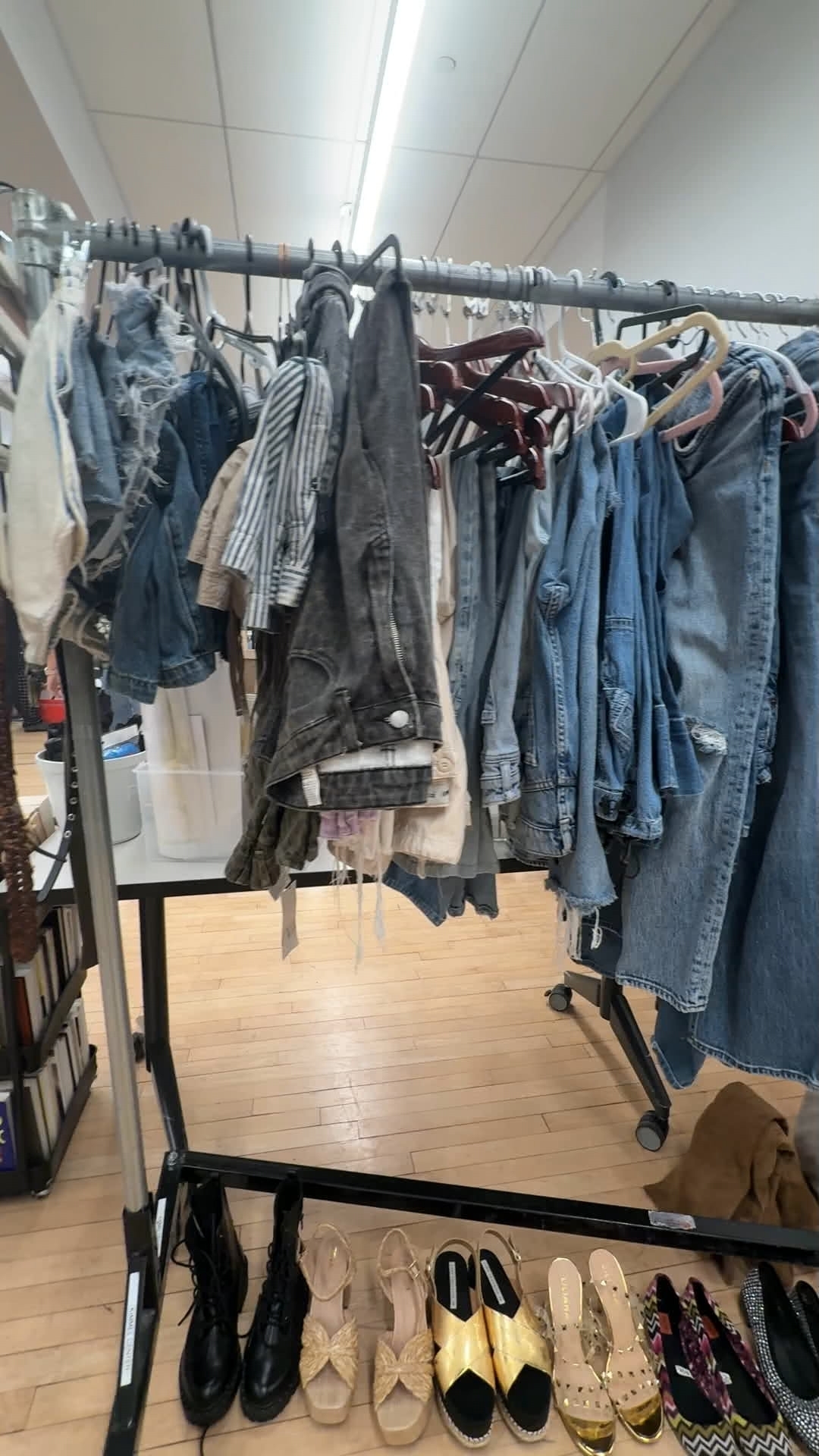
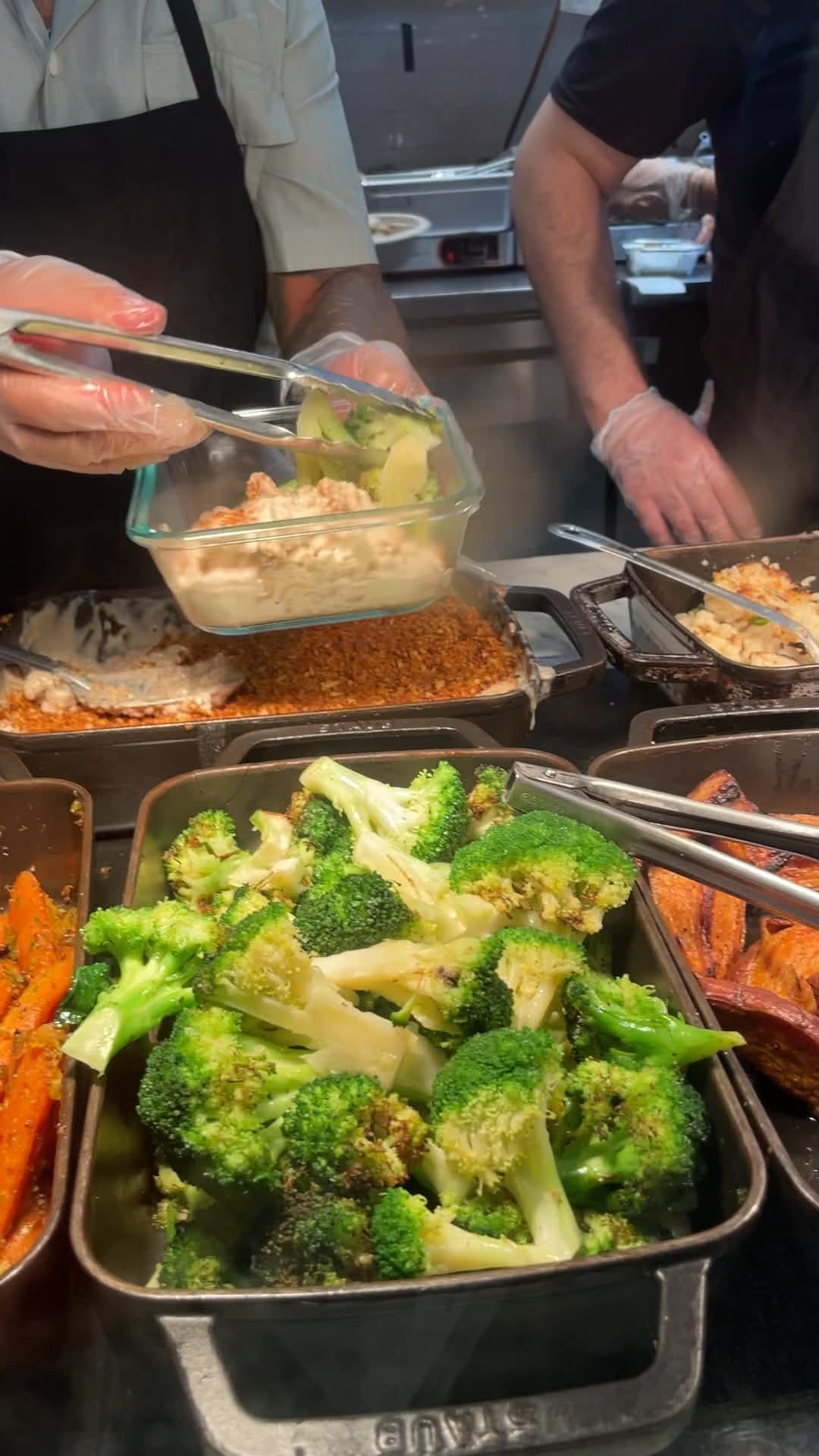
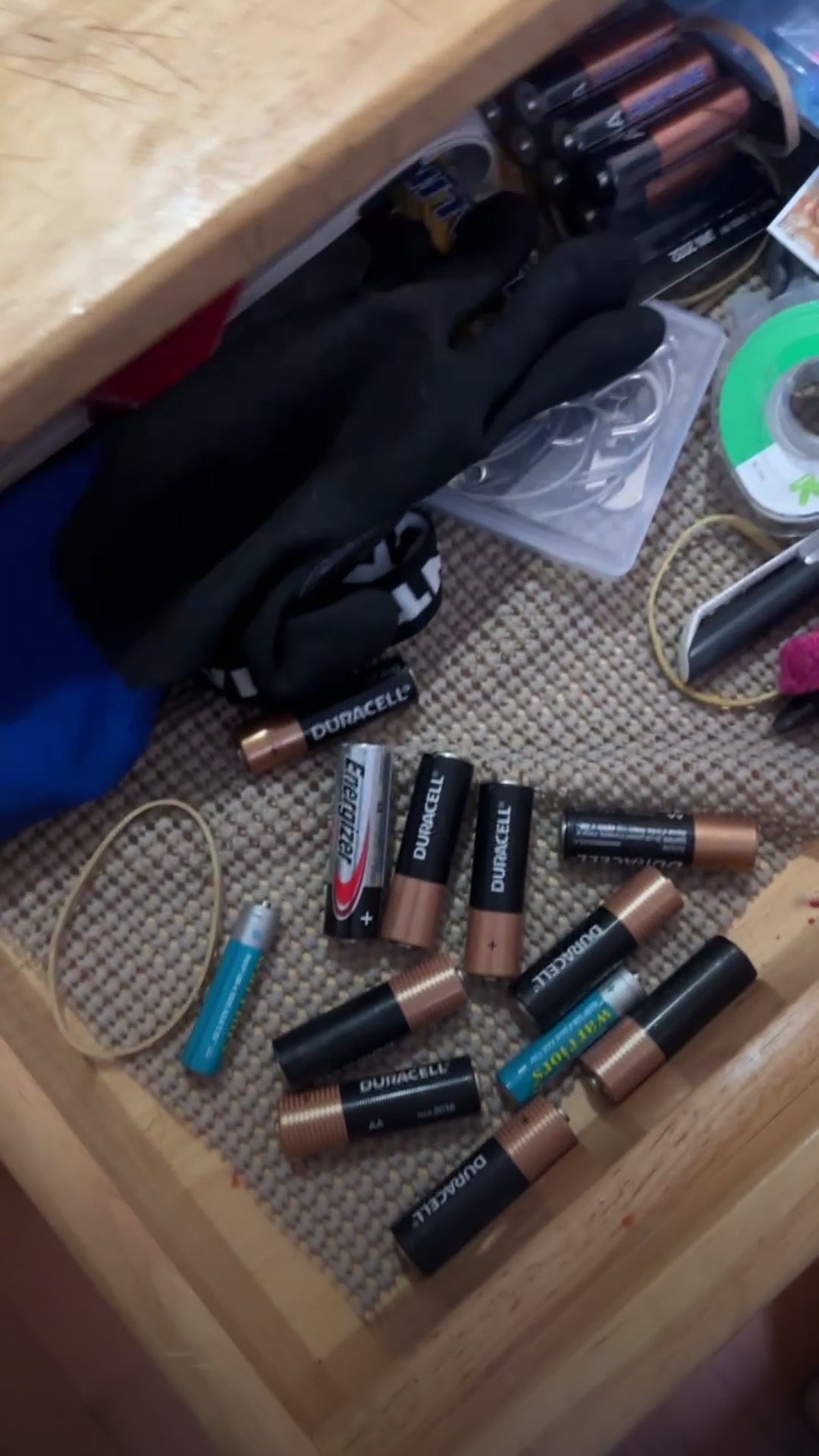
Many videos use a “come with me” format that places viewers directly into the experience alongside the reporter. Instead of simply telling audiences about secondhand shopping or swapping, reporters brought viewers along with us to a free “Swap Shop” at New York University and let them discover donated clothing and household items. Hundreds of students nationwide started tagging their universities in the comments, urging them to implement similar shops on their campuses. Rather than abstractly discussing plastic waste, reporters demonstrated ways to reduce takeout waste. The team showed viewers that our reporters are making these choices too. Other videos focused on choices that people may not immediately associate with climate at all, like properly recycling household batteries or rethinking the environmental impact of the pet products they buy. By grounding these topics in familiar routines, AP aimed to make sustainability feel less abstract and more approachable.
For stories that are less inherently visual, videos leaned heavily on graphics, animation and fast-paced editing to make complicated topics easier to understand online. One explainer video broke down the concept of “vampire” energy, the electricity devices consume even when turned off, using animated graphics to help audiences visualize invisible energy waste happening inside their homes. In another, the reality behind airline carbon offsets was explored, using graphics and motion design to simplify a topic that can often feel technical or complex.
Audiences are eager for climate coverage that feels useful, empowering and human. Climate Choices videos consistently reached hundreds of thousands of viewers, attracted hundreds of comments and thousands of likes, often performing on-par with AP’s breaking news coverage.
Ultimately, Climate Choices reflects the belief that climate journalism can inform audiences without alienating them. By focusing on utility, accessibility and visual storytelling, the team created a series that helps audiences feel more connected to climate issues – not through guilt or hopelessness, but through curiosity, possibility and everyday life.