

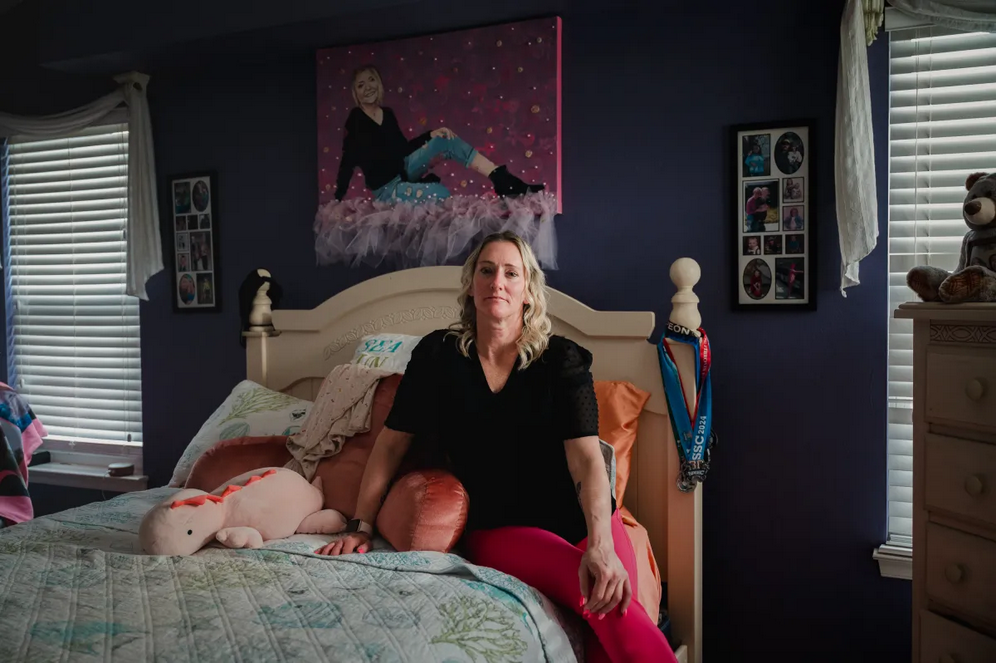
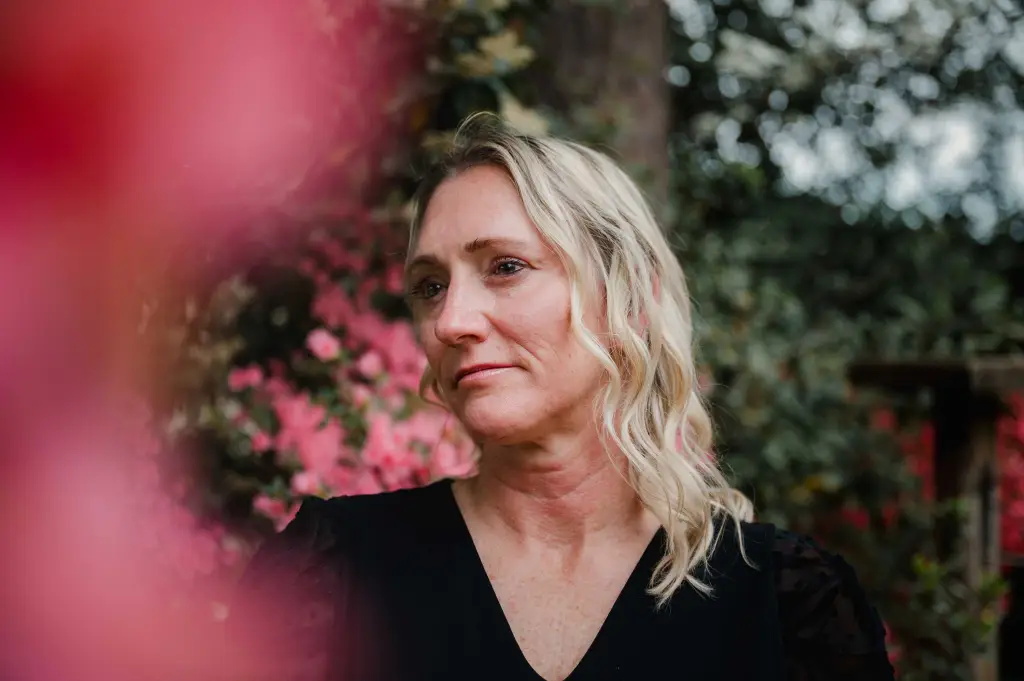
It’s rare to find a harrowing tale of one person that fully encapsulates multiple layers of failures in both corporate behavior and government oversight. “Fighting for Breath,” by Megan Rose and Debbie Cenziper is such a story. With reporting that extends from inside a hospital ICU in suburban Virginia to deep in the halls of a federal agency in Washington, D.C. and to manufacturing plants thousands of miles away in India, it tells the story of Hannah Goetz, who received a double-lung transplant at age 17 and found her survival dependent on a medication intended to prevent the potentially fatal consequences of organ rejection in transplant patients. The story is also about how the federal Food and Drug Administration has failed to protect Americans. Like 90% of Americans, Goetz was prescribed a generic form of her medication — and therein lies the problem.
Alternating between the gutting details of Goetz’s life and illness and the government’s inaction, the article explains why tacrolimus is a form of drug that requires particularly precise dosing and high manufacturing quality and how, time and again, the FDA failed to take action even as it received numerous warnings about forms of generic tacrolimus manufactured by two Indian brands. At one particularly inauspicious moment revealed by Rose and Cenziper, the FDA was pressured into tightening its standards on generic forms of tacrolimus — but the agency allowed previously approved versions to continue selling tacrolimus that didn’t meet the new stricter standard. Meanwhile, mistakes in the system compounded the problems. At one point in the narrative Goetz’s pharmacist specifies that her prescription avoid one of the troubled brands, but the supermarket that filled the prescription (unbeknown to Goetz) gave her that brand anyway.
On the human level, it’s a story of a daughter and her mother with haunting, pointillistic detail. Consider this passage, late in the story, that captures the moment right after Hannah Goetz has learned she is not eligible for a second lung transplant, which means that her death, at age 21, is inevitable. Her mother, Holly, is the one who has to request what will be her daughter’s final medication:
“Hannah was gasping for air. She needed more Dilaudid, an opioid that is about five times stronger than morphine.
“Holly knew it was time. She walked out into the harsh light of the nurses’ station and requested the drugs that would slip her daughter into unconsciousness for good. ‘Is this really happening? she thought to herself. ‘Did I just talk to her for the last time?’
“At 10:48 p.m., the doctors removed Hannah’s ventilator.
“Holly found a note in Hannah’s phone: ‘dear mom, i think eventually you will find this, and when you do i don’t want you to get sad.’ She assured her mom she’d had a great life, ‘and you truly are my best friend.’
“‘i fought so hard and this time luck just wasn’t on my side.’”