
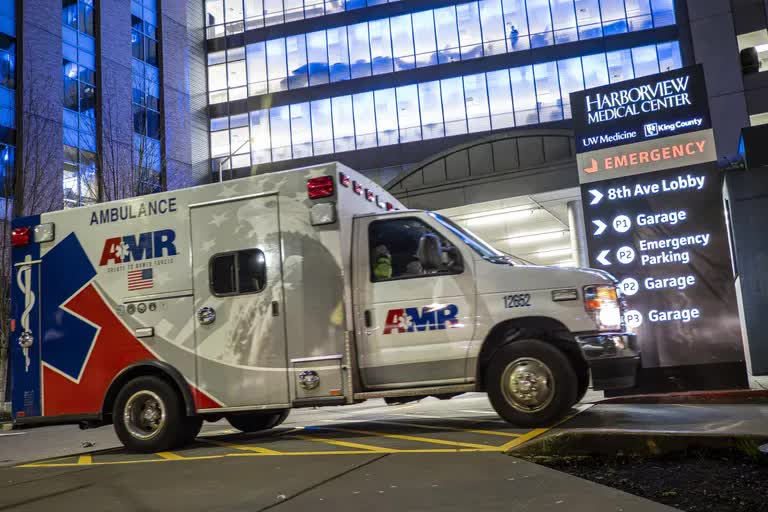
When Pamela Hogan called 911 with knee pain so intense she couldn’t stand up, she thought an ambulance would come quickly and take her to the hospital. Instead, the Seattle retiree waited more than 10 hours.
By the time an ambulance arrived at Hogan’s building, it was the middle of the night and she was no longer answering her phone. The ambulance left without her. Weeks later, her body was found decomposing on her bedroom floor.
Seattle officials shrugged off Hogan’s death. But Seattle Times reporter Daniel Beekman recognized it could shed light on systemic problems.
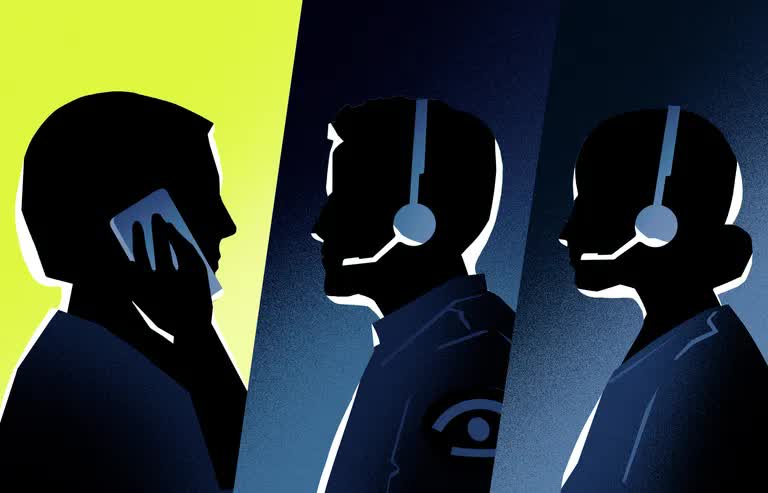
Before learning about the case, Beekman had been investigating Seattle’s 911 nurse line, which is operated by the city’s ambulance contractor.
The nurse line is supposed to ease pressure on ambulances and hospitals by diverting 911 callers with low-level medical needs to nonemergency options, like community clinics. In reality, Beekman discovered, most callers sent to the nurse line are still being taken to hospitals and Seattle’s private-equity backed contractor is using the nurse line to sidestep accountability for those responses.
Patients routed through the nurse line are completely exempt from Seattle’s standards for ambulance response times. It means the city’s contractor can keep them waiting indefinitely, without public tracking or penalties.
This is what happened to Hogan, who was routed to the nurse line and instructed to wait hour after hour, despite calling 911 back repeatedly and mentioning a heart condition.
Seattle has stopped tracking ambulance waits like Hogan’s, so officials have no way of saying whether her experience was an aberration.
Beekman used public records, court documents, expert interviews, shoeleather reporting and 911 call recordings to meticulously reconstruct Hogan’s nightmarish ordeal and the policy choices that made it possible.
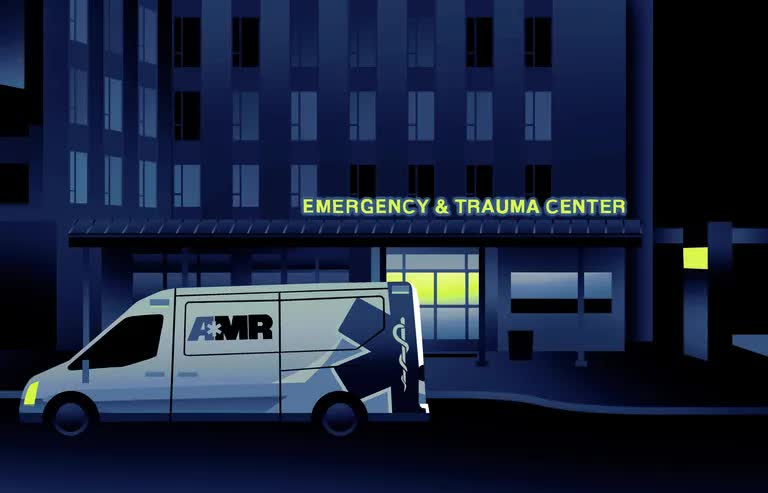
Then Beekman wrote a woven narrative and worked with colleagues to create a unique online story driven by audio clips of Hogan’s 911 calls. Enhanced by original illustrations and optimized for mobile engagement, the story included a callout asking readers to share their own interactions with the system.
Two accompanying stories provided context and completed the series. The reporting had national scope; it showed how cities across the United States are adopting 911 nurse lines, some with more guardrails than others.
Beekman’s reporting stirred concerns from experts and watchdogs. When the series was published, it immediately spurred promises from local leaders to conduct reviews of Seattle’s system and attracted attention beyond Seattle.
One reader commented, “I am speechless,” and another wrote, “This is the kind of accountability journalism that potentially affects every resident or person who works in Seattle … Here’s hoping this series brings change.”