
This is a moving behind-the-scenes look into the lives of the journalists who risked themselves to tell the stories of Gazans during wartime. The story does not lack even with the limited resources at their disposal. The pacing and video diaries kept you on edge as we moved towards the uncertain conclusion of their journey.
“Filmed in Gaza” is a documentary chronicling the lives of two NBC News journalists who, for 22 months, became the network’s sole on-the-ground presence as the conflict unfolded in the Gaza Strip. Through their eyes, the viewer is offered a rare look at what it was like to document everyday life in Gaza during the Israel-Hamas war.
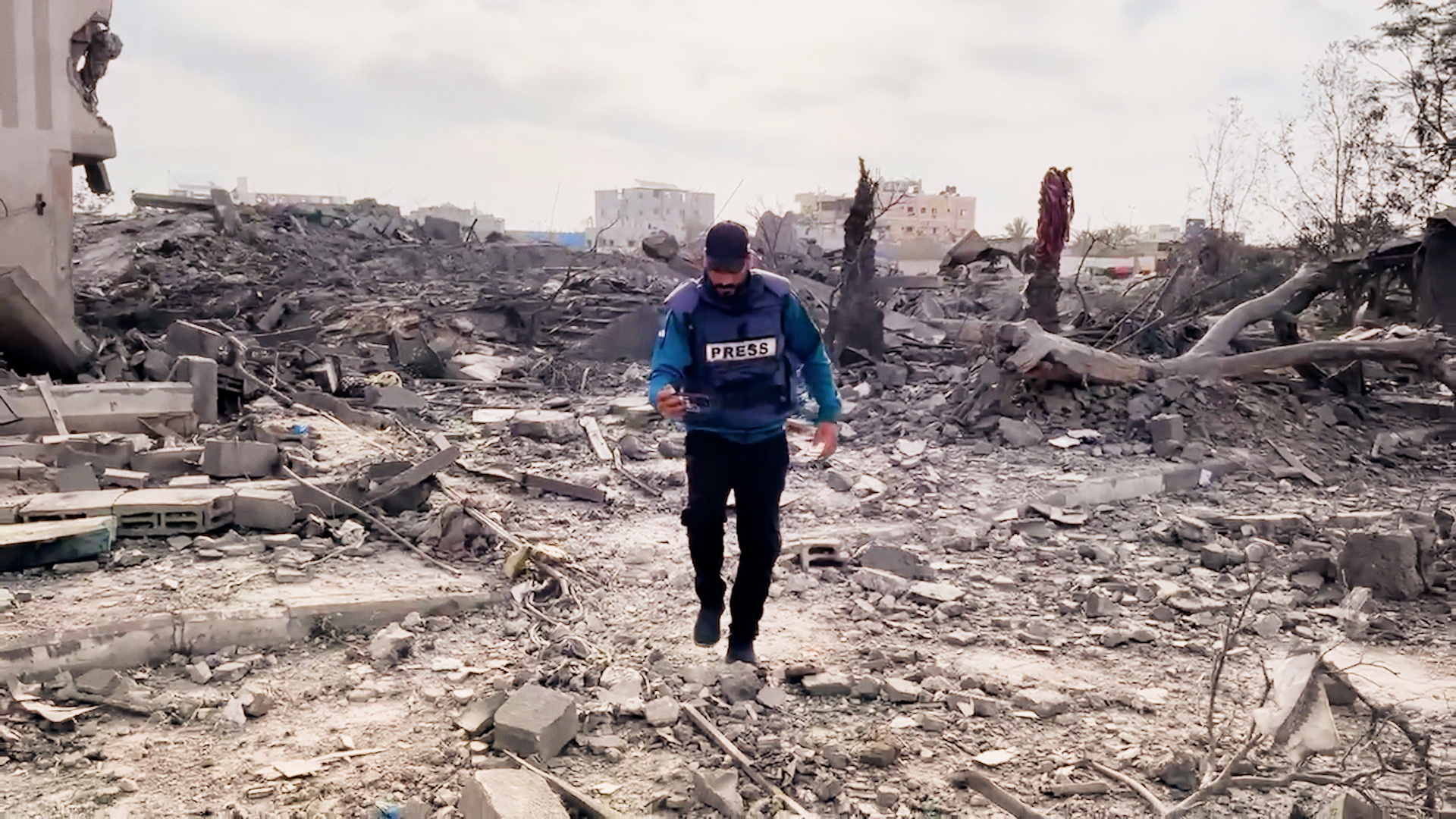
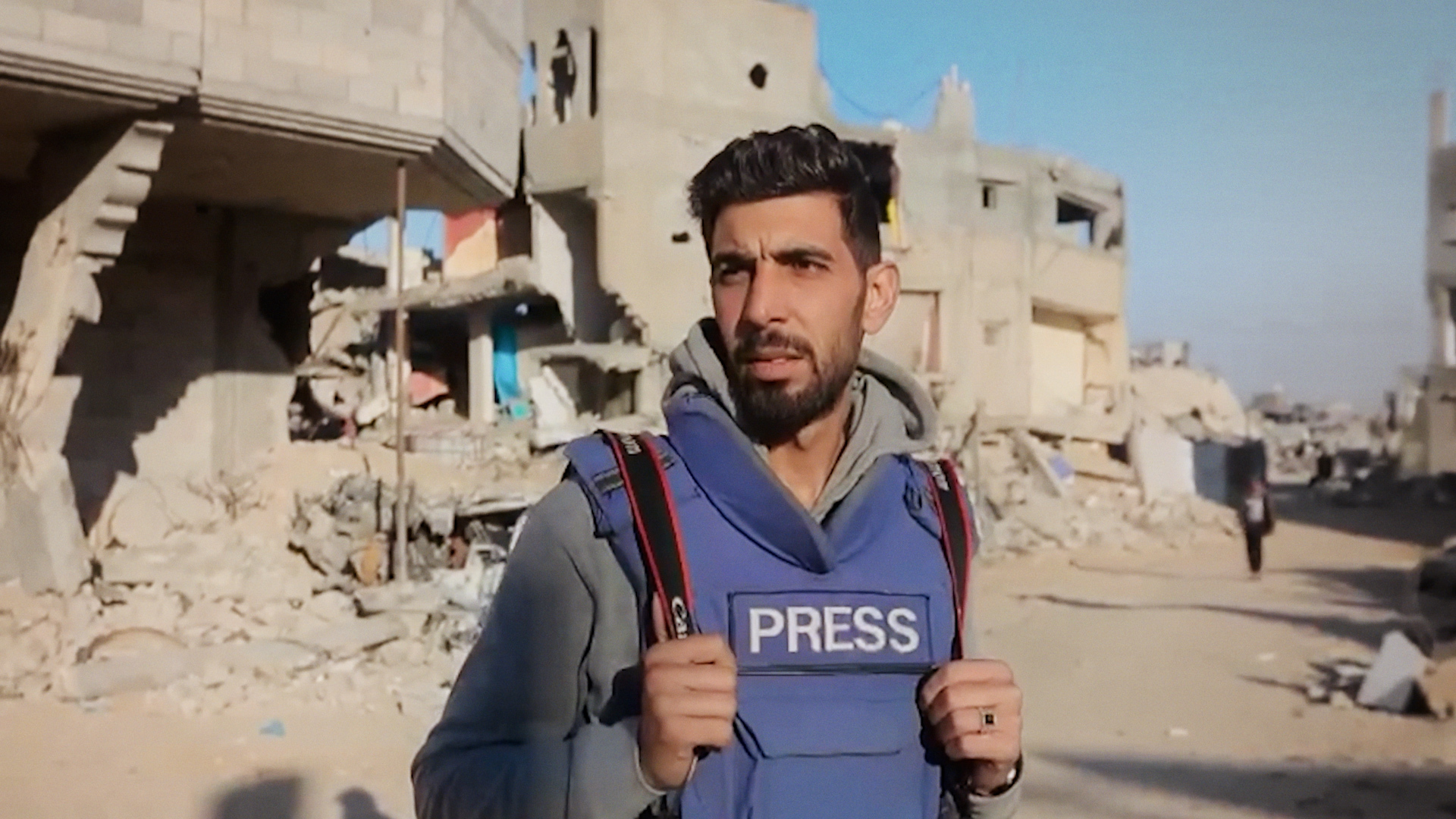
The film follows producer Samed Abu Zarifa and video journalist Samir Al Boji beginning on Oct. 7, 2023, the day Hamas attacked Israel and foreign media access to Gaza rapidly narrowed. After Israel barred foreign media from entering the region unless escorted by the military, Samed and Samir’s reporting became a primary source of original video journalism for NBC News. Their footage was shared widely across the network, but with their identities undisclosed for the sake of their safety. Their material reached an audience of millions.
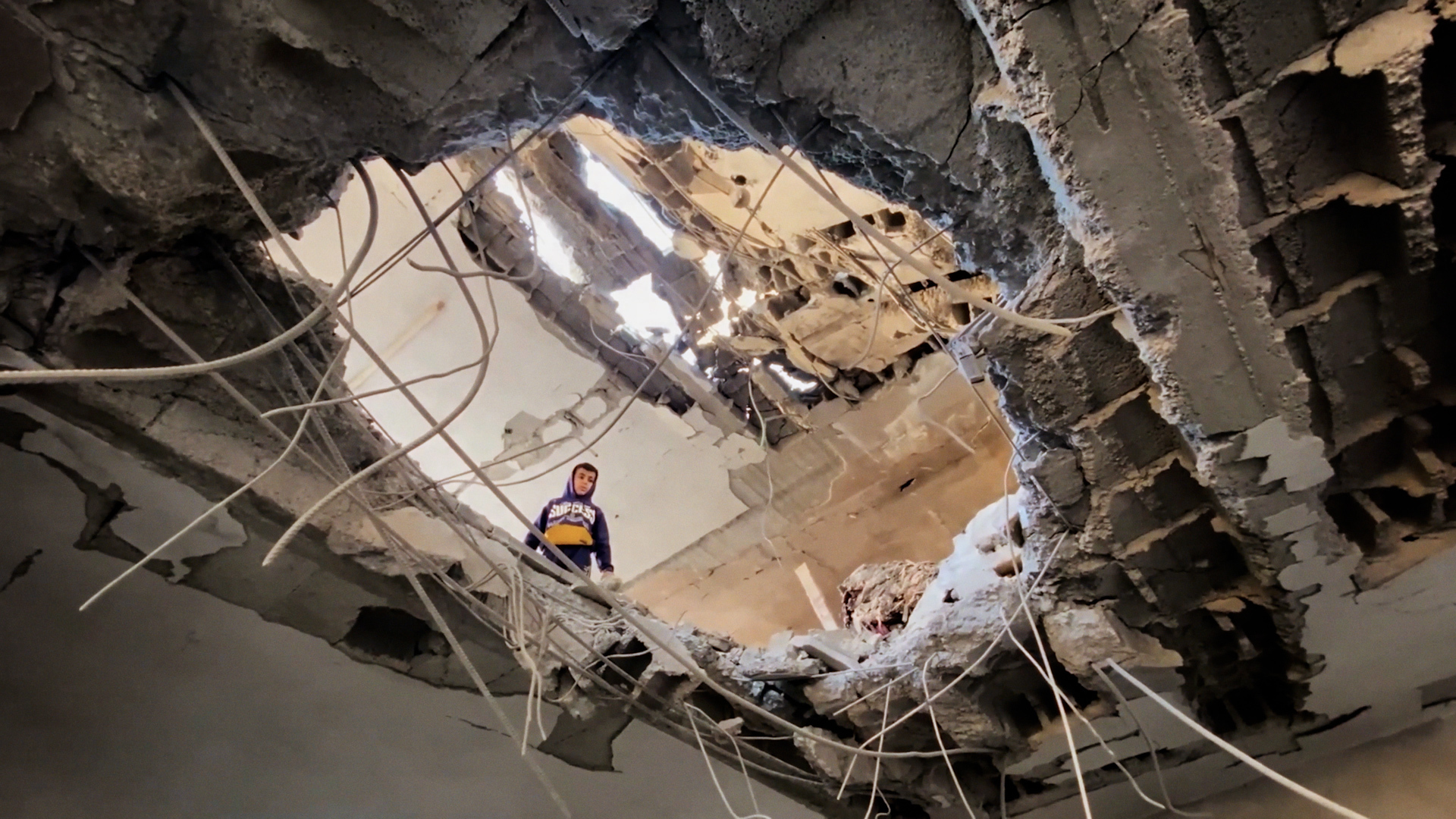
“Filmed in Gaza” is constructed almost entirely from original footage captured Samed and Samir. The film offers rare access to the process of conflict zone reporting, and documents the practical realities of sustained war coverage, including displacement, food scarcity, limited power, internet and connectivity. Samed and Samir lived and worked under the same conditions as civilians around them.
Samed and Samir document airstrikes and emergency medical responses, filming the deaths of many civilians and colleagues. Some scenes are devastating. The viewer watches as Samed weeps over the dead body of Yousef, a close friend killed by an airstrike. Yousef was killed inside a tent Samed had left just minutes earlier. We also see Samir as he films an ambulance ride with a father cradling the dead body of his 10-year-old daughter. The journalists share how the experience continues to haunt them and changed them as people.
A central element of the film is the working relationship between Samed, Samir and Lawahez Jabari, an NBC News bureau producer based in Tel Aviv. Lawahez began working with them immediately on Oct. 7 and remained in daily contact with them throughout the war. Though the three never meet in person, she closely reviews what Samed and Samir have gathered, shares updates and manages the logistics of coverage in a war zone. Through voice messages sent to each other throughout the war, which are played in the film, we experience how the relationship among the three grew and evolved from one based purely on editorial operations to one that became a lifeline in every sense of the word.
“Filmed in Gaza” also captures Samed and Samir’s personal circumstances. Both men are husbands and fathers who choose to stay to keep reporting on the conflict, even when their families were able to leave Gaza by the summer of 2024. The film incorporates family footage from before Oct. 7, moments of separation at the Egyptian border and scenes of how they communicated while separated. These moments offer a poignant look at their family lives, disrupted and placed on hold during the conflict.