
‘Floods Above’ was heads and shoulders above the rest, firing on all cylinders. The judges gave the project a heavy endorsement for explanatory reporting that readers will keep coming back to — making an enormously complex phenomenon understandable, memorable and immediately useful.
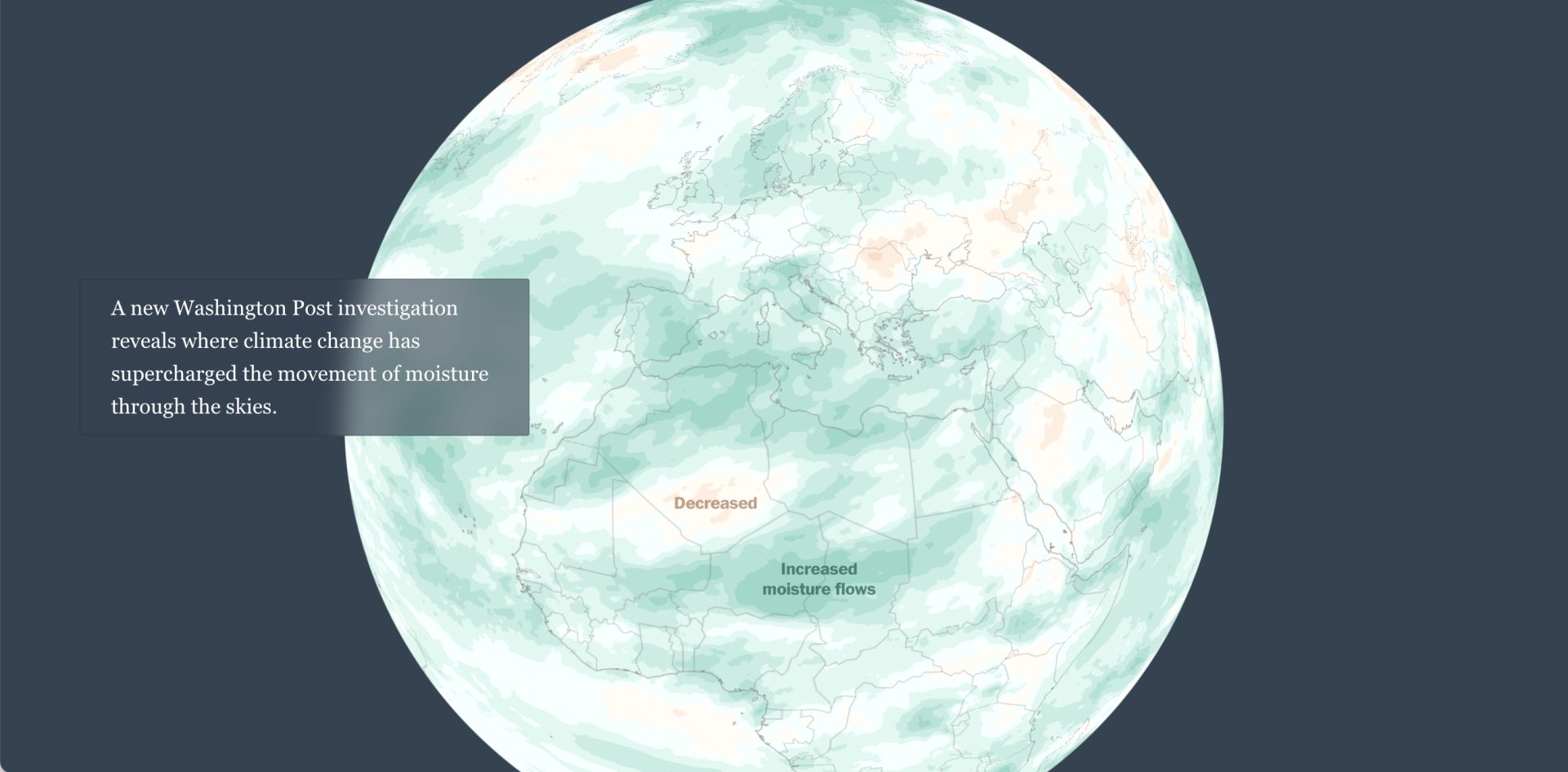
Across six stories, The Washington Post revealed how unprecedented atmospheric moisture driven by global warming is creating waterlogged plumes that are moving across the world, driving torrential rainfall for which much of the planet is unprepared.
Using state-of-the-art weather data, rain gauges and computer models, The Post produced an analysis to investigate global changes in extreme participation. Reporters zeroed in on hot spots where those plumes of moisture provided fuel for intense, repeated downpours, and the cities and countries — from the Eastern U.S. to the Middle East — where such events are costing lives, destroying buildings and washing away roads, bridges and other key infrastructure.
To generate insights into the flow of atmospheric moisture associated with extreme rainfall, reporters downloaded about two terabytes of weather data dating back to 1940. This allowed the team to compute and explore trends and extremes for every land and ocean area on the planet and see which countries and regions are most vulnerable to intense rainfall.
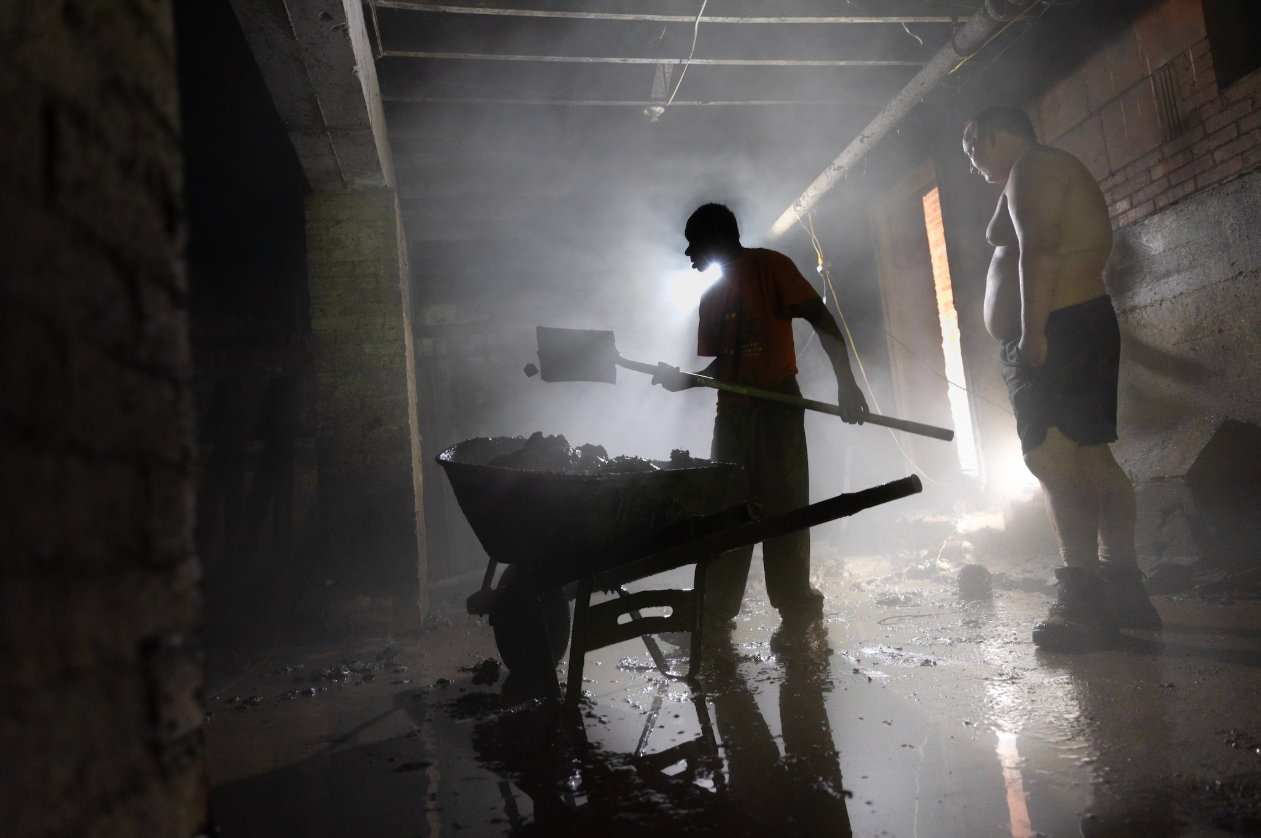
Post journalists traveled across the U.S. and the globe to show the human costs of inaction in the face of this threat. Floridians evacuated at much higher rates than North Carolinians, a Post analysis showed, because officials in coastal cities were more familiar with hurricanes than inland communities. On the other side of the globe in one of the driest regions on Earth, 10 school children and a pair of elderly cousins lost their lives when a 2024 storm swept through Oman. And in India, where the operations of the century-old Mullaperiyar Dam remain shrouded in secrecy, a Post reporter chronicled how the dam remains a lifeline for one agricultural community even though it poses a mortal danger to a neighboring state as extreme rainfall intensifies there.
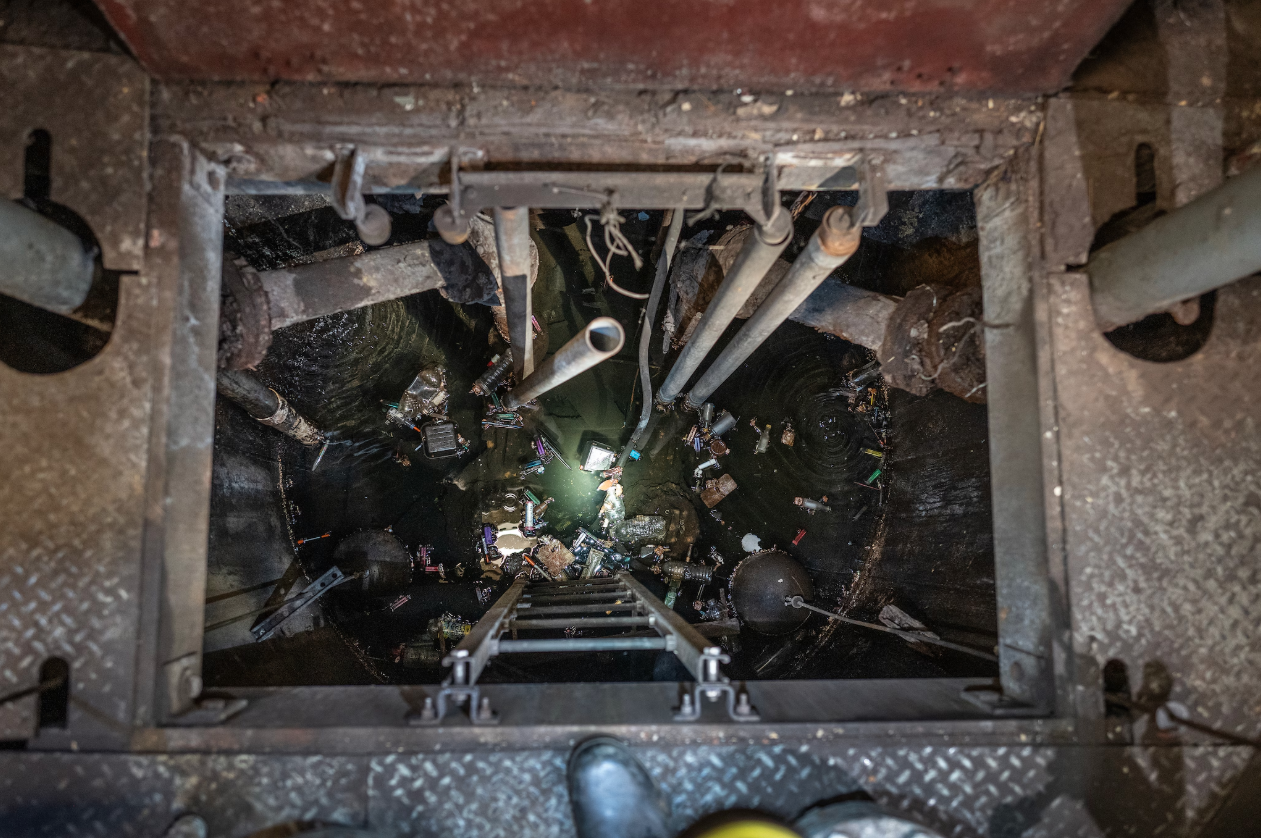
These stories not only show the escalating risks many across the globe face as the planet warms, but ways in which people are working to address them. In Appalachia, community leaders are working to develop better warning systems for floods. In the United Arab Emirates, the government is spending billions to funnel the runoff from ever larger rainstorms to the sea. And in New York City, officials are devising ways to keep a subway system that ferries roughly 1.2 billion riders each year running even as water threatens to gush into tunnels and flood the tracks with increasing frequency.