
Public Health Watch has been reporting on communities in the heart of the Texas petrochemical industry for almost five years now. In 2025 we published three stories that show, with precision, how the health and safety of the people who live near the state’s chemical facilities are ignored as the state encourages the industry’s expansion.
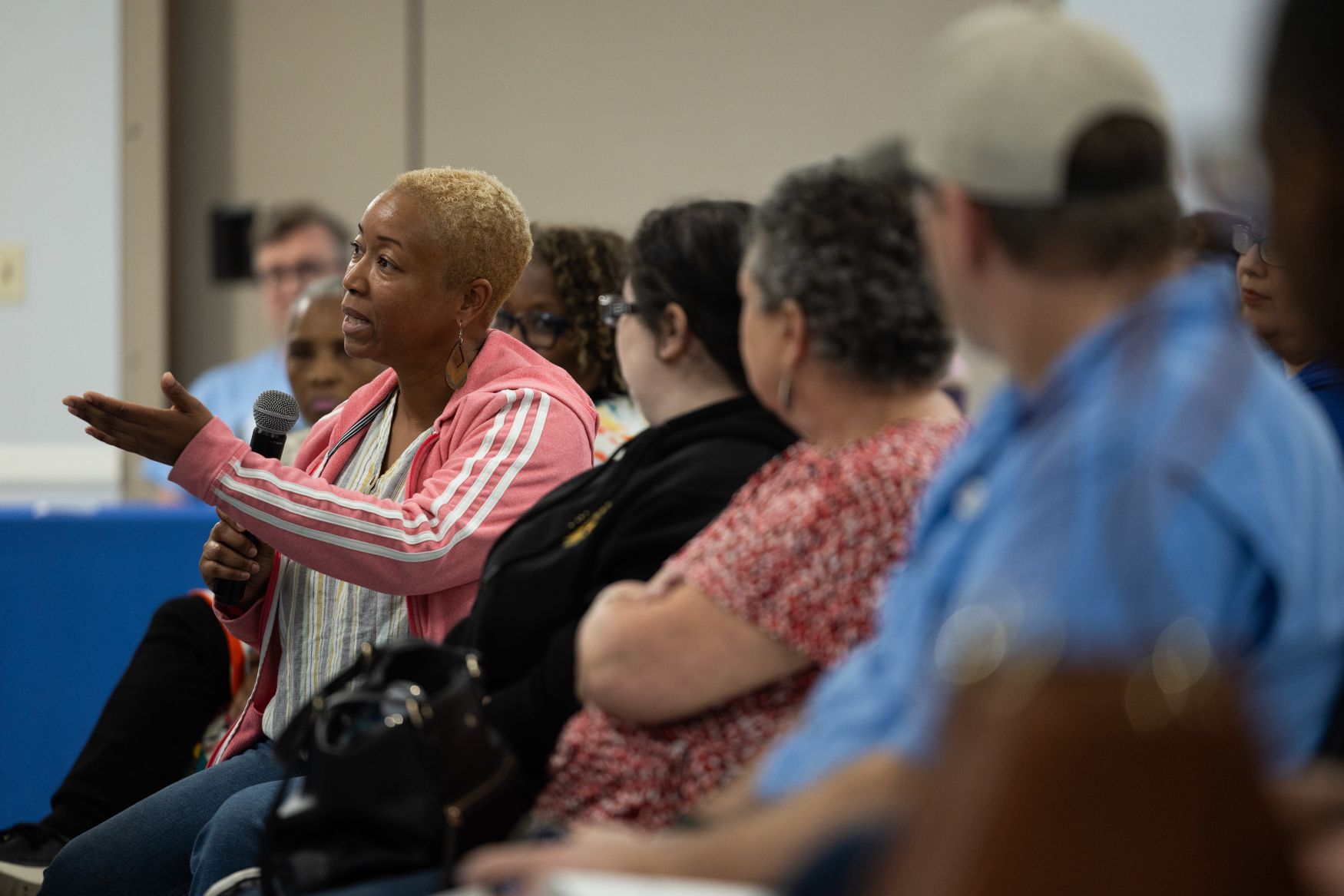
In 2026 we built on that reporting by organizing two community town halls in the unincorporated neighborhoods most affected by our findings. Each event featured a panel of experts, including one Public Health Watch reporter, to discuss the implications of our work for local residents and answer their questions. Our events manager also took great care to coordinate the attendance of local resource organizations. Some of the groups that spoke directly with residents via tabling before and after the panels included emergency responders, community advocacy organizations and pollution research nonprofits.
Our stories include:
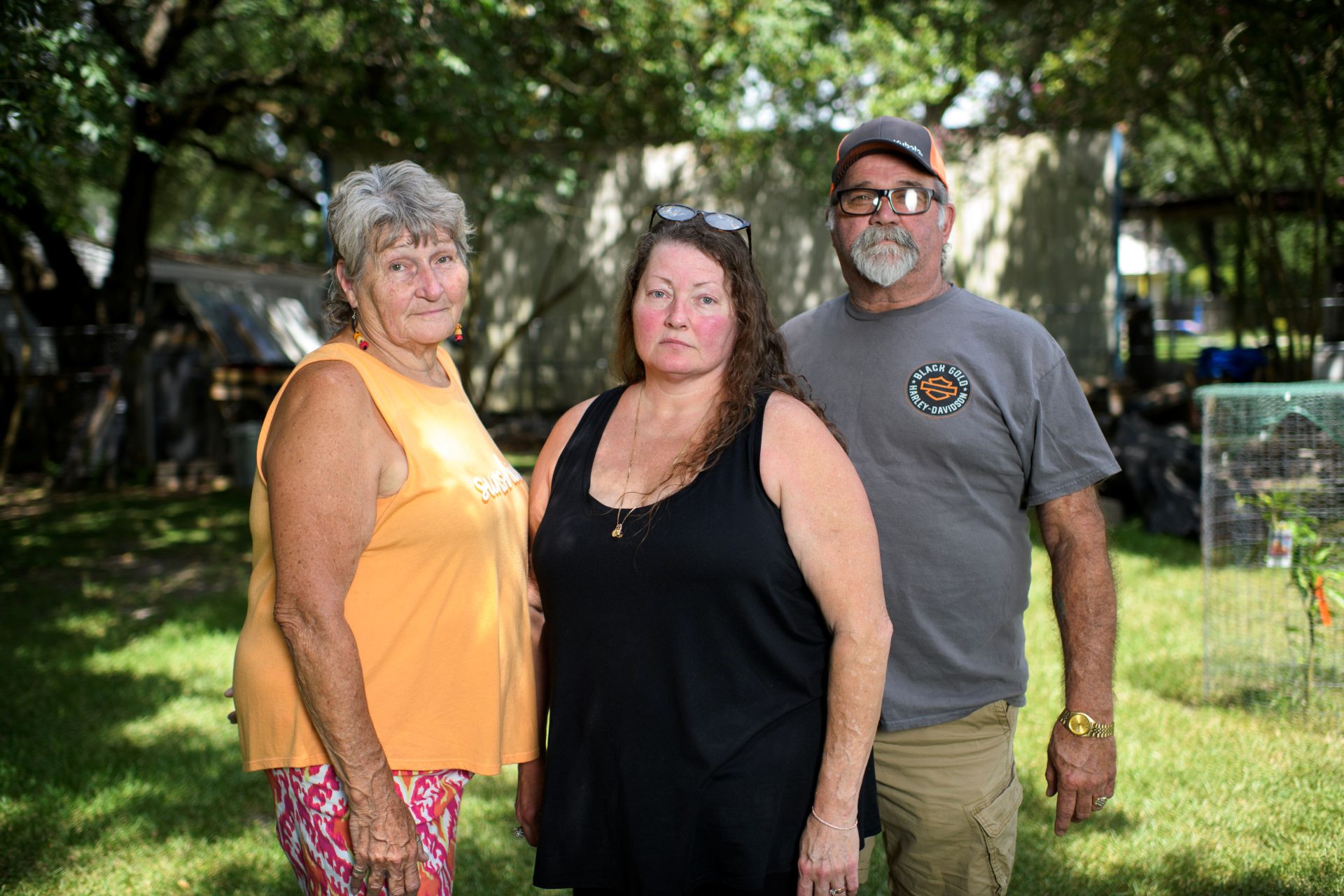
A Community Burdened by Chemical Waste Is Demanding Cancer Data. Texas Health Officials Won’t Give It to Them. – We identified a major gap in a recent cancer study by the Texas Department of State Health Services. After finding extremely high rates of leukemia in a 250-square-mile area of eastern Harris County, the department refused to release census-tract level data for the most impacted communities. Two independent epidemiologists told us the state’s rationale for keeping the data hidden was disingenuous; one called it “BS.”
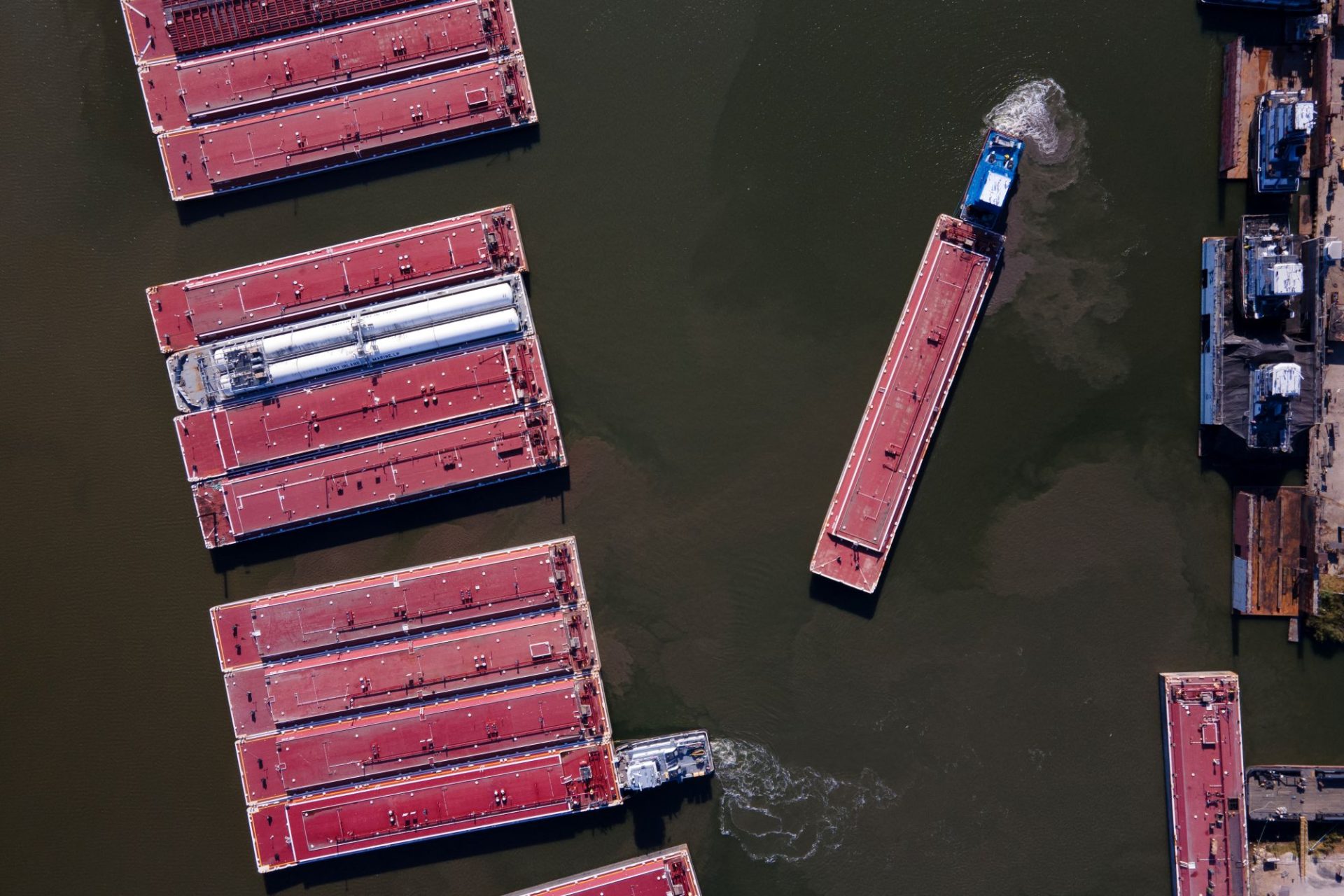
The Loosely Regulated Petrochemical Barge Industry Is Commandeering a Texas River. – We found that the barges that clog the San Jacinto River face little oversight, even though their numbers have increased sixfold since 1990, raising the odds of a catastrophic chemical spill. We also revealed that the state underestimates the barge industry’s contribution to air pollution. “We’re sitting ducks now,” said Channelview resident Jennie Ramsey. “We have a fear of an explosion. We have the fear of, say, if a flood were to come … the barges drifting across our land for acres.”
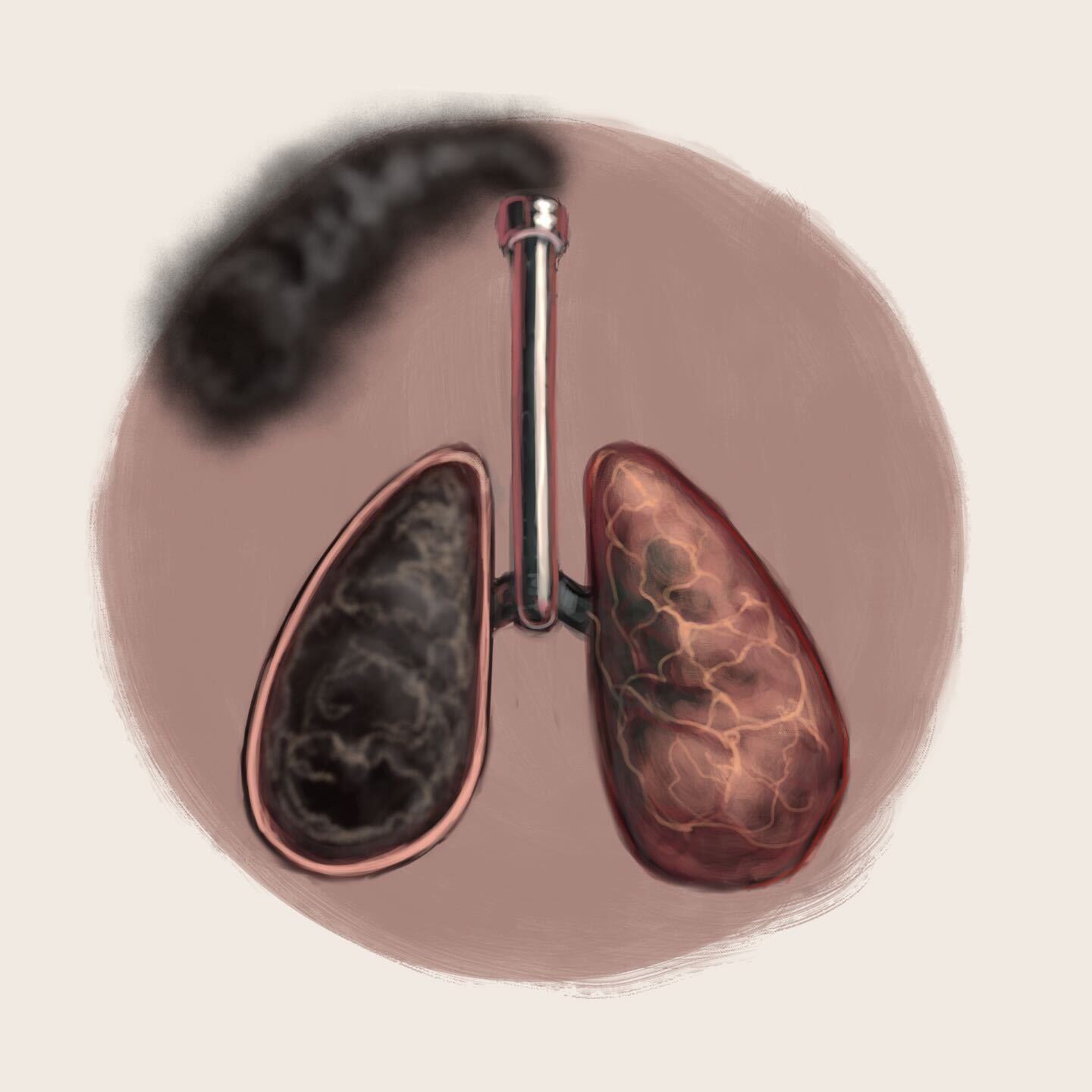
Texas Clears the Way for Petrochemical Expansion as Experts Warn of Health Risks. – We used original data analysis, in-house hand-drawn illustrations and on-the-ground reporting to craft 13 vignettes, totaling 9,200 words, that illustrate the health and climate implications of Texas’ petrochemical infrastructure boom. Among our findings: Over the past quarter-century, state regulators have denied less than 0.5% of the air permits and amendments companies need to build or expand plants.
Town-Hall Event in Texas Draws Residents and Advocates Seeking Missing Cancer Data. – The neighborhood’s closest level of elected official, Harris County Commissioner Tom Ramsey, delivered the event’s opening remarks. “Just give us the data. There’s no good in keeping data under wraps like this,” he said.
Public Health Watch Town Hall on Chemical Barges Draws More than 100. – Officials representing U.S. Representative Sylvia Garcia’s office, state Representative Anna Hernandez’s office and Harris County precincts 2 and 3 were present. Fox 26 Houston covered the event and produced a two and a half minute segment.