
Grist is an independent news outlet that has published exclusively online for more than 25 years. Over that time, we’ve followed the trends of the industry, from snarky blog posts to personality-driven columns to grabby headlines. In recent years, we’ve morphed into an authoritative digital magazine that reaches a broad audience with our coverage of how humanity is reckoning with climate change and environmental injustice.
Grist has worked to make complex stories about our changing planet accessible to broad audiences without sacrificing rigor or depth. A core part of that approach often involves combining deep reporting with original data analysis, custom tools, and visual storytelling that help readers understand how climate policy and science shapes their everyday experiences. Many of our projects involve custom development, original data analysis, and bespoke graphics to surface stories that would otherwise remain invisible.
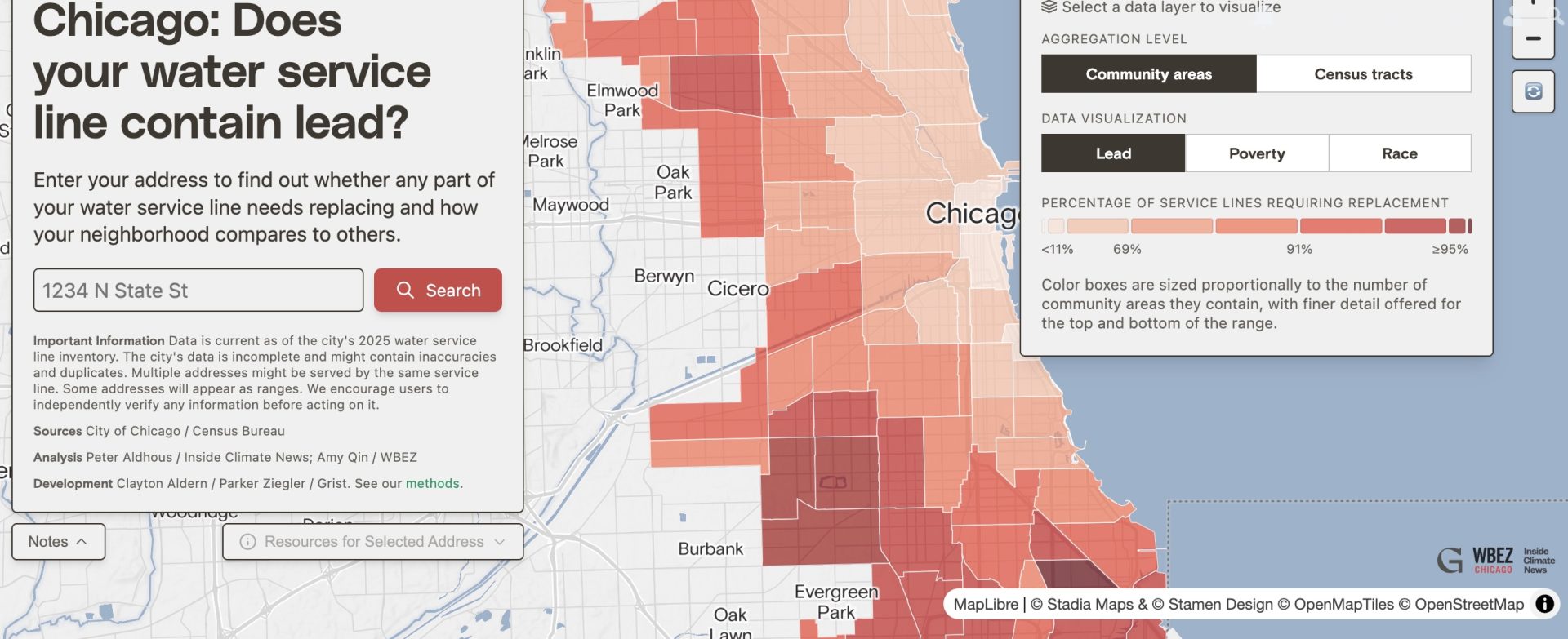
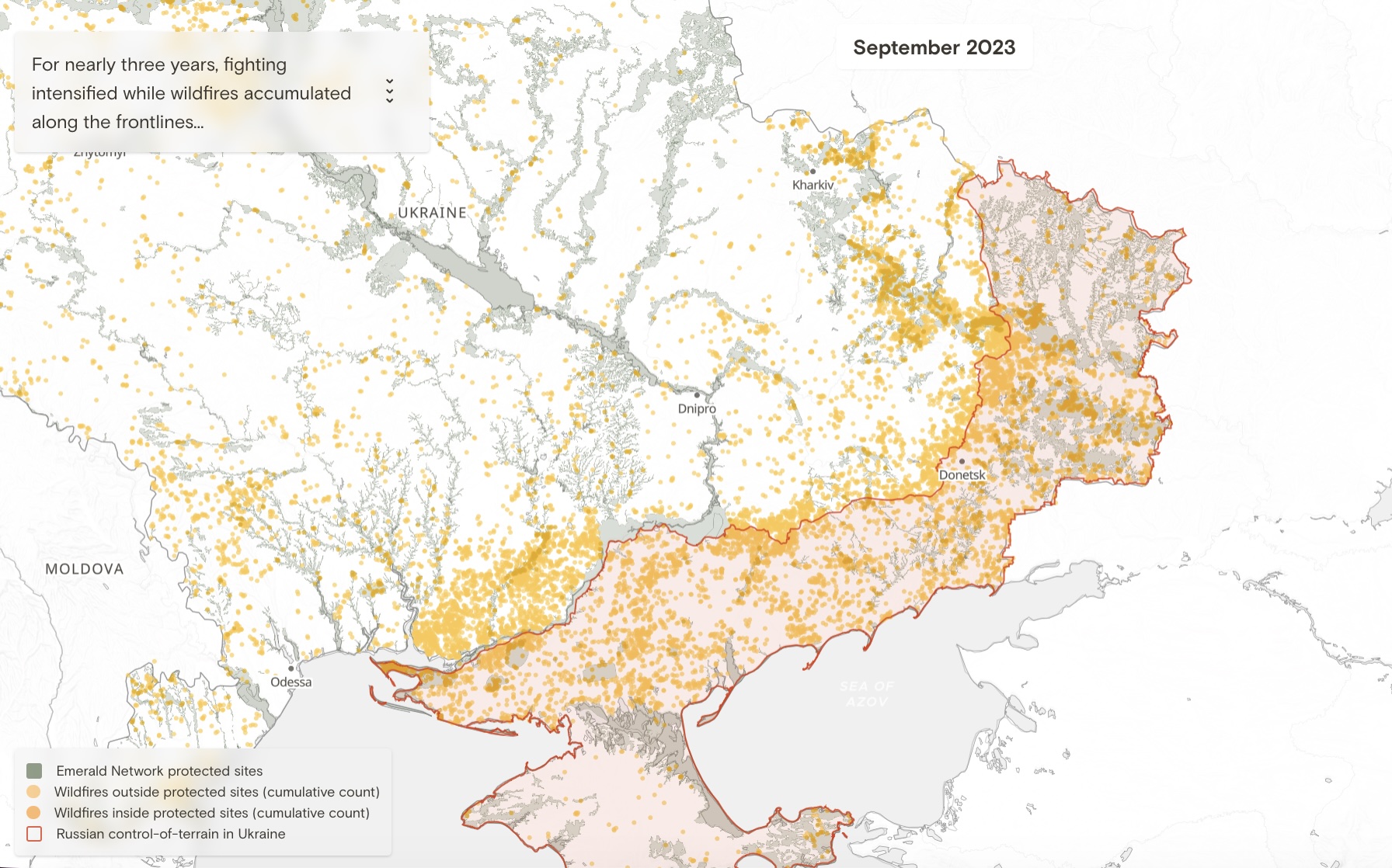
Whether it involves building a tool to help Chicagoans understand their exposure to lead-laden drinking water, creating a vertical video series to break down the root causes of rising electricity bills, or pulling satellite data to show how war has decimated Ukraine’s forests, we do not treat multimedia and social assets as standalone elements. Rather, our designers, developers, editors, and reporters collaborate closely so that editorial framing, visuals, and technical execution evolve together.
The result is work that gives our journalism an online-first identity that feels dynamic, intuitive, and human-centric — no matter what platform you’re seeing our content on.
Strategy & Impact
Climate change has long been siloed as a strictly scientific issue, only of interest to researchers and environmentalists. Grist works carefully to ensure our editorial, design, and audience strategies work in concert to convey the intersectionality and deeply personal impact of a warming world. We blend deep reporting and strong narrative with compelling and purposeful visualizations and custom page design to ensure readers understand how the issues we cover impact them, their families, and their communities.
One great example of this is our project Disaster 101, a novel form-meets-function package that allows customization to newsrooms that are high on need and short on time with accommodations like service content in plain text for low-bandwidth situations. The series has been used by dozens of local and national publications to share disaster resources in the wake of extreme weather events.
As a nonprofit news site, open access and community engagement are core to everything we do. All of the data behind our investigations is available on Github for further use. Every single one of our stories are available for syndication. Our visualizations are built to be easily embedded on partner sites, no matter their CMS, and we’ve tailored our freelance contracts to allow for extra use for partnerships. And our social media content prioritizes accessibility and engagement.
Climate change is an all-hands-on-deck issue, and Grist fulfills its mission with that thought in mind: We use our authority not only to tell stories people want and need, like an explanation of why energy bills are skyrocketing around the country, but we provide stories, insights, and data that are available or adaptable to other newsrooms to inform their audiences. Grist is a generally excellent newsroom, yes, but it’s also a media organization that works through a multitude of partnerships and distribution systems to strengthen the overall field of climate journalism and contribute to a citizenry that is more informed on the impacts and solutions to climate change.