
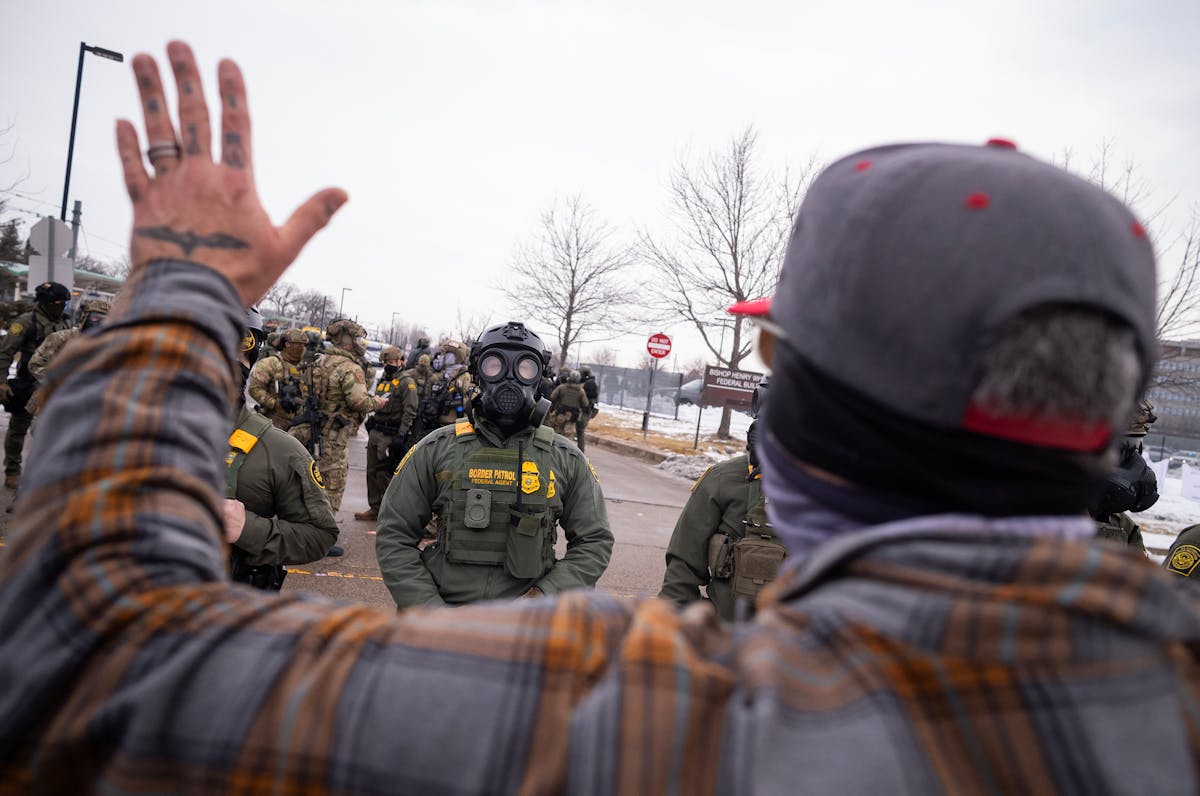
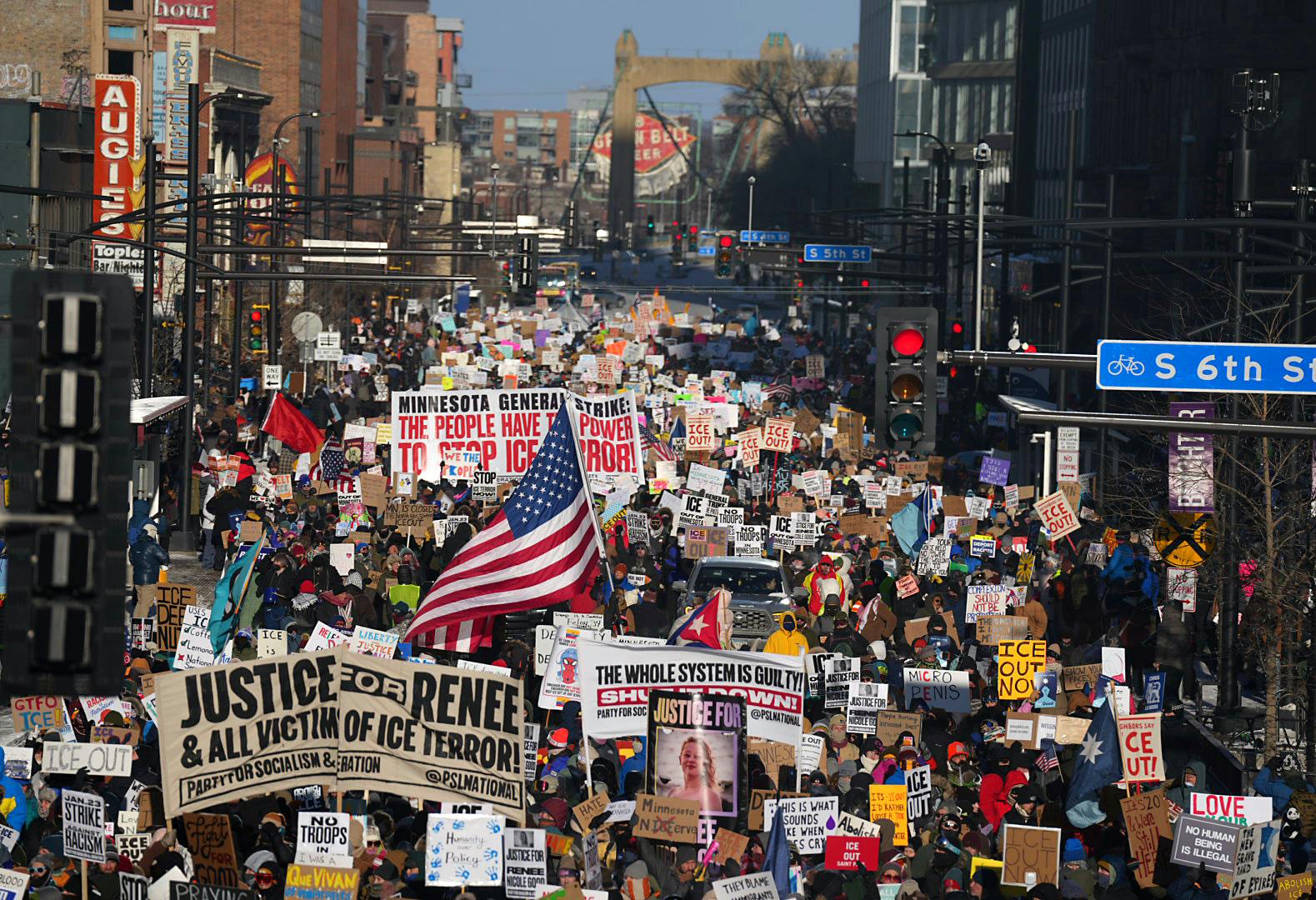
Beginning in December, the Trump administration began sending thousands of federal agents into the Twin Cities for what it called the largest immigration enforcement action in history, a force more than double the combined police departments of Minneapolis and St. Paul.
These agents — usually masked, wearing tactical gear and heavily and visibly armed — landed in a city still shaped by the police killing of George Floyd in 2000 and still deeply alert to questions of race, accountability, civil disobedience and public trust.
The Minnesota Star Tribune recognized from the outset that this rapidly unfolding story demanded sustained, aggressive and rigorous reporting – and multi-media storytelling. Federal agencies often withheld basic facts, declined interviews and limited public access. Official information was sometimes unverifiable. Meanwhile, protests and increasingly charged confrontations with agents flooded social media feeds.
Conventional incremental coverage would not meet readers’ needs. We committed to operating on multiple timelines: minute-by-minute updates, daily accountability stories and investigative enterprise. We created teams of breaking news reporters, investigative journalists, photographers, video journalists, data reporters and audience editors. We also built and maintained a continuously updated live blog — intentionally kept outside our paywall — that recorded 1,640 posts over the course of 78 days.
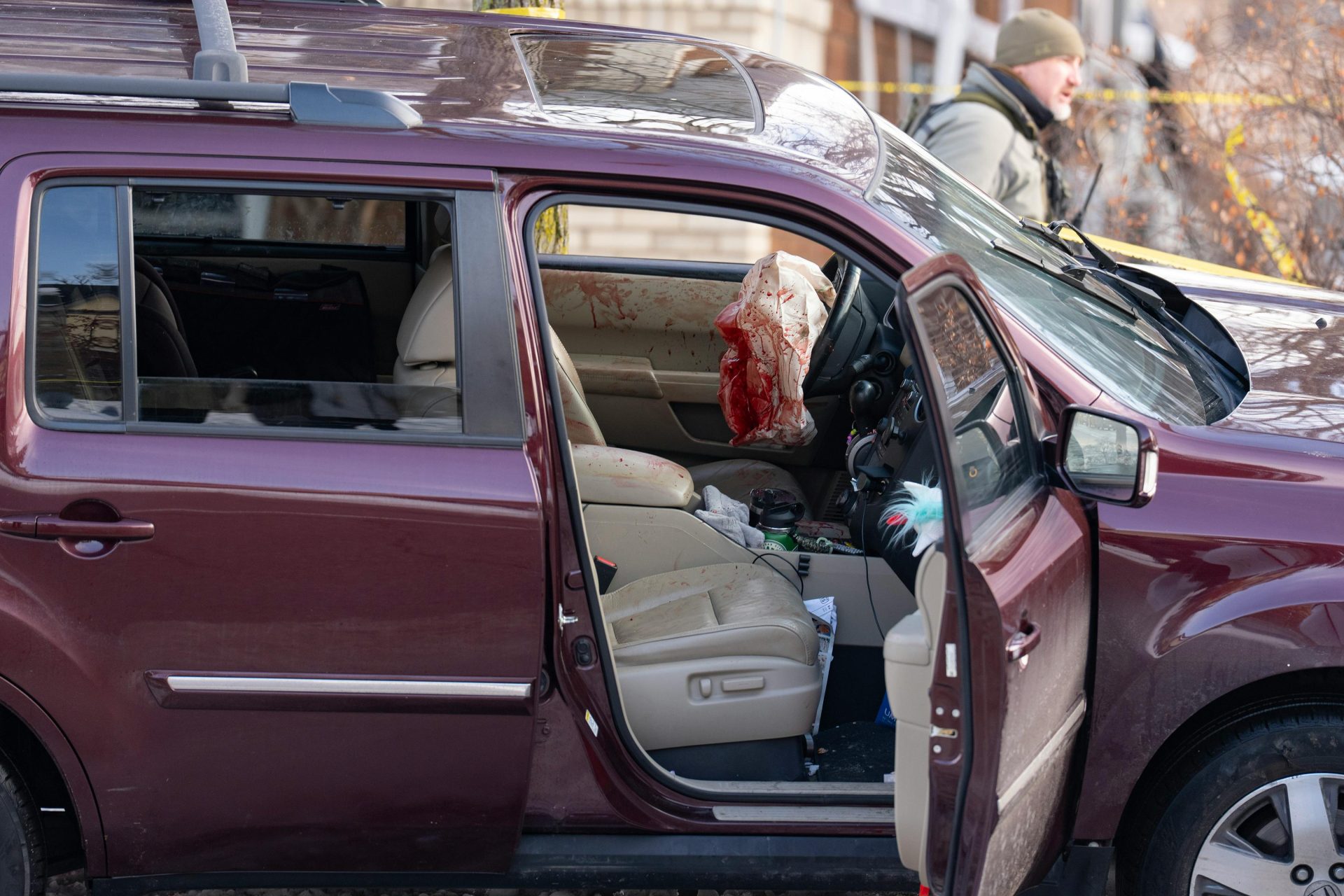
The deaths of Minneapolis residents Renee Good and Alex Pretti, the first U.S. citizens killed in federal immigration enforcement actions, transformed a regional/national story into an international one. We led the reporting: We were the first major news outlet to report the names of both victims and of the immigration agent who shot Good.
As state and local officials stepped up their rhetoric against the federal government, and the Trump administration loudly continued its defense of the surge, it created a civil crisis that left our role even more crucial: to continue to fact check all claims, share the reality of what was happening on the ground and quickly bring it to as wide an audience as possible on our site and social channels.
We documented discrepancies between government claims about both victims and what video evidence showed. Our reporters uncovered tensions between Minnesota investigators and federal authorities, including that federal agencies withheld evidence from state investigators. Our reporting disputed claims that detained and deported immigrants were, in the government’s words, “the worst of the worst.”
We were the first to report details of a mass exodus of lawyers from the U.S. Attorney’s Office in Minnesota, and to show how that was crippling its effectiveness. We revealed discrepancies in the federal account surrounding the shooting a Venezuelan resident Julio Sosa-Celis, including that agents fired through a door while children were inside.
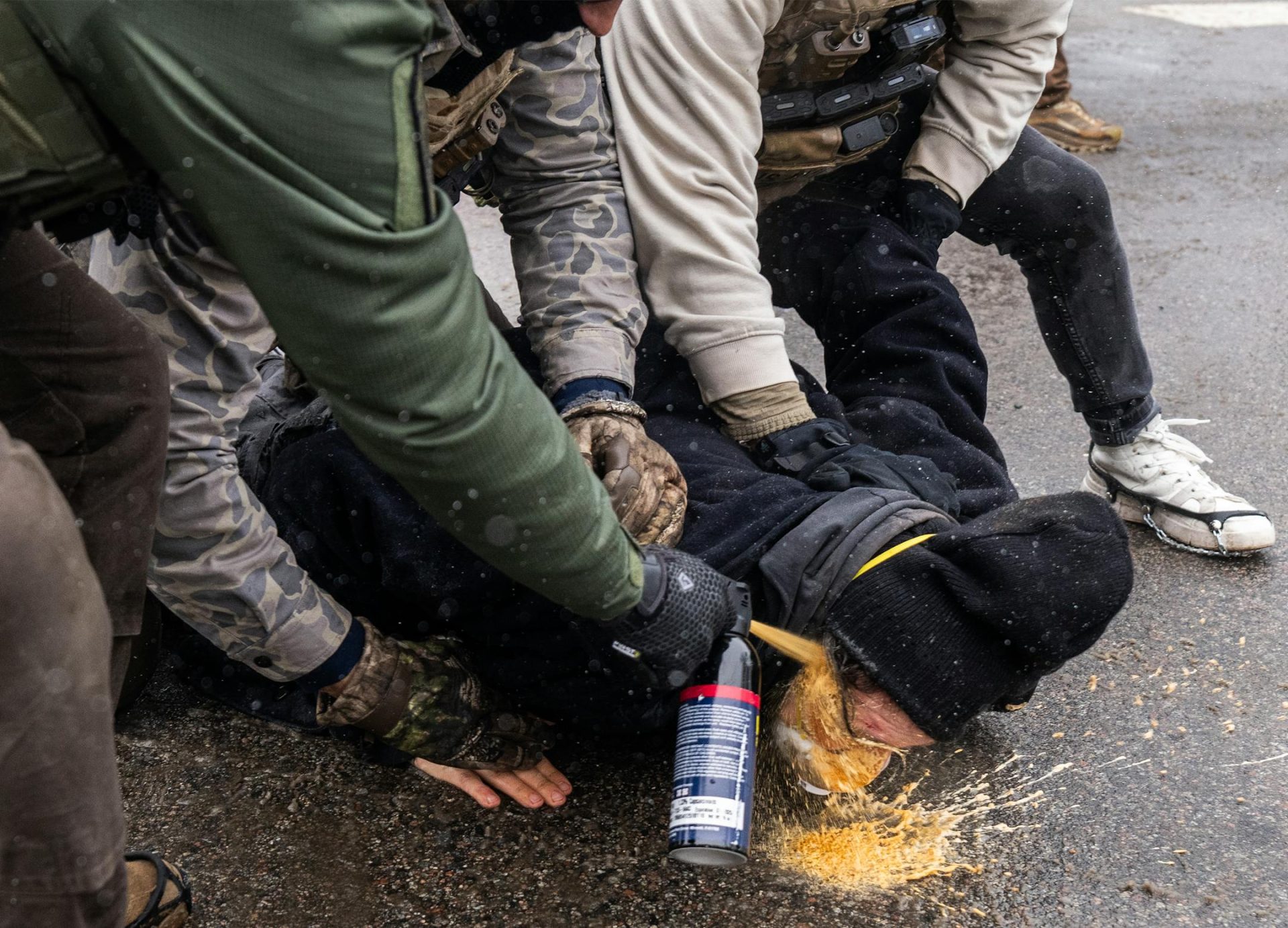
Federal officials repeatedly described enforcement actions as necessary responses to violent resistance by “paid protesters.” But our reporting teams – which had gone through specialized training and were equipped with newly acquired protective gear – generally saw a much different picture. One of our photographers captured an image of a protester, pinned to the pavement by multiple agents, as they sprayed a chemical irritant directly into his face.