


This was an excellent personal narrative that used one family’s experience to illuminate a much larger systemic issue. By focusing deeply on a single story rather than a series of vignettes, the reporting gave readers a powerful way to understand the broader failures at play. Judges were also impressed by the story’s clear social justice impact, making it stand out in a highly competitive field.
In 2011, Pennsylvania made a promise: Everyone living in a state psychiatric hospital would come home. The promise was a transformed mental health system, where getting care for depression, or bipolar disorder, or schizophrenia would be like getting care for bronchitis, or lupus, or cancer.
The plan was ambitious, but tucked within it was a dire warning against a darker future for people with severe mental illnesses should the commonwealth fail: homelessness, unemployment, relapse, and incarceration. It is this premonition, not the promise, that has become reality in Pennsylvania
Newsrooms across the state regularly publish stories detailing the symptoms of these policy failures — notably incarceration and officer-involved shootings involving people with mental illness. However, no one has taken a global look to definitively explain how Pennsylvania ended up here, who is responsible, and why nothing has been done to fix it.
Unsatisfied with the public’s understanding of the state’s failures around mental health, Spotlight PA undertook an ambitious project to do what journalism often fails to do: see the big picture over a period of decades. What resulted was the defining story of how Pennsylvania went from a promising and developing community mental health system to a widespread and ongoing crisis of incarcerated care.
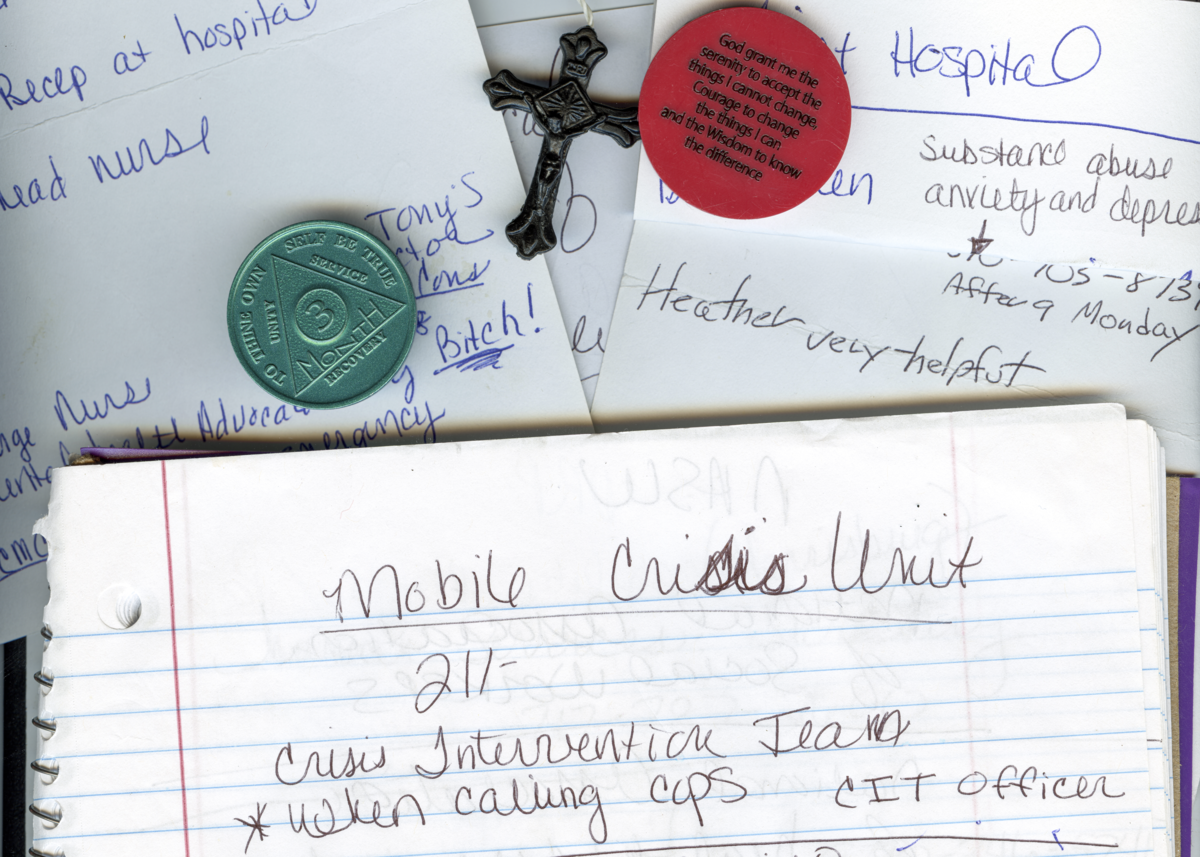
Spotlight PA reporter Danielle Ohl’s reporting led to a family whose desperate situation mirrors that of thousands forced to make impossible choices by a system that failed them.
The newsroom dug through thousands of pages of documents from 140 public records requests, pored over state and local spending data, and conducted interviews with dozens of current and former government officials, advocates, and people navigating the mental health system.
Partnering with the Lehigh Valley Justice Institute, Spotlight PA commissioned a first-of-its-kind analysis of mental health spending and services in all 67 counties that traces down to the dollar and shows how many fewer people are served today than just a few years ago.
The data analysis and detailed reporting show the state’s failed promises stemmed from decisions made by past governors, state legislators, and program administrators over decades. As the years ticked by, the few attempts to fix the struggling system never met the scope or severity of the problem.
As an investigative project, the work deftly details personal tragedy while using records, data, and interviews with key decision makers to produce the definitive account of a state’s broken promise to some of the most vulnerable in its care.