
Deep inside the suburban headquarters of the Food and Drug Administration, a tiny cadre of midlevel bureaucrats was granted extraordinary power to strike deals with some of the worst drugmakers in the world.
With approval from the country’s top drug regulator, the officials secretly allowed dirty and dangerous foreign factories — with contaminated raw ingredients, metal shavings on equipment and bird droppings in sterile production areas — to send countless generic medications to unsuspecting Americans, ostensibly to prevent drug shortages.
It went on for more than a decade, and few people knew it. Not doctors, pharmacists, hospitals or Congress, not even others at the FDA responsible for protecting the safety of the U.S. drug supply.
In 2025, ProPublica exposed this hidden practice in an investigative series that touches the lives of nearly everyone who has filled a prescription, from children with cancer to veterans with heart conditions.
The reporting team uncovered that more than 20 factories, nearly all in India and all with egregious manufacturing violations, had benefited from the FDA’s exemptions over 12 years. Combined, the factories shipped more than 150 drugs or their key ingredients to the U.S. while they were under an import ban, including one facility where workers had manipulated tests to cover up the presence of glass and other contaminants in injectable drugs.
The stories, which prompted U.S. senators to demand a slate of reforms at the FDA, found the agency did not regularly test the exempted medications to see if they were safe or monitor reports about potential harm among patients. ProPublica identified more than 8,000 “adverse event” complaints about the exempted drugs in the FDA’s own files, including dozens describing hospitalizations and deaths, a certain undercount.
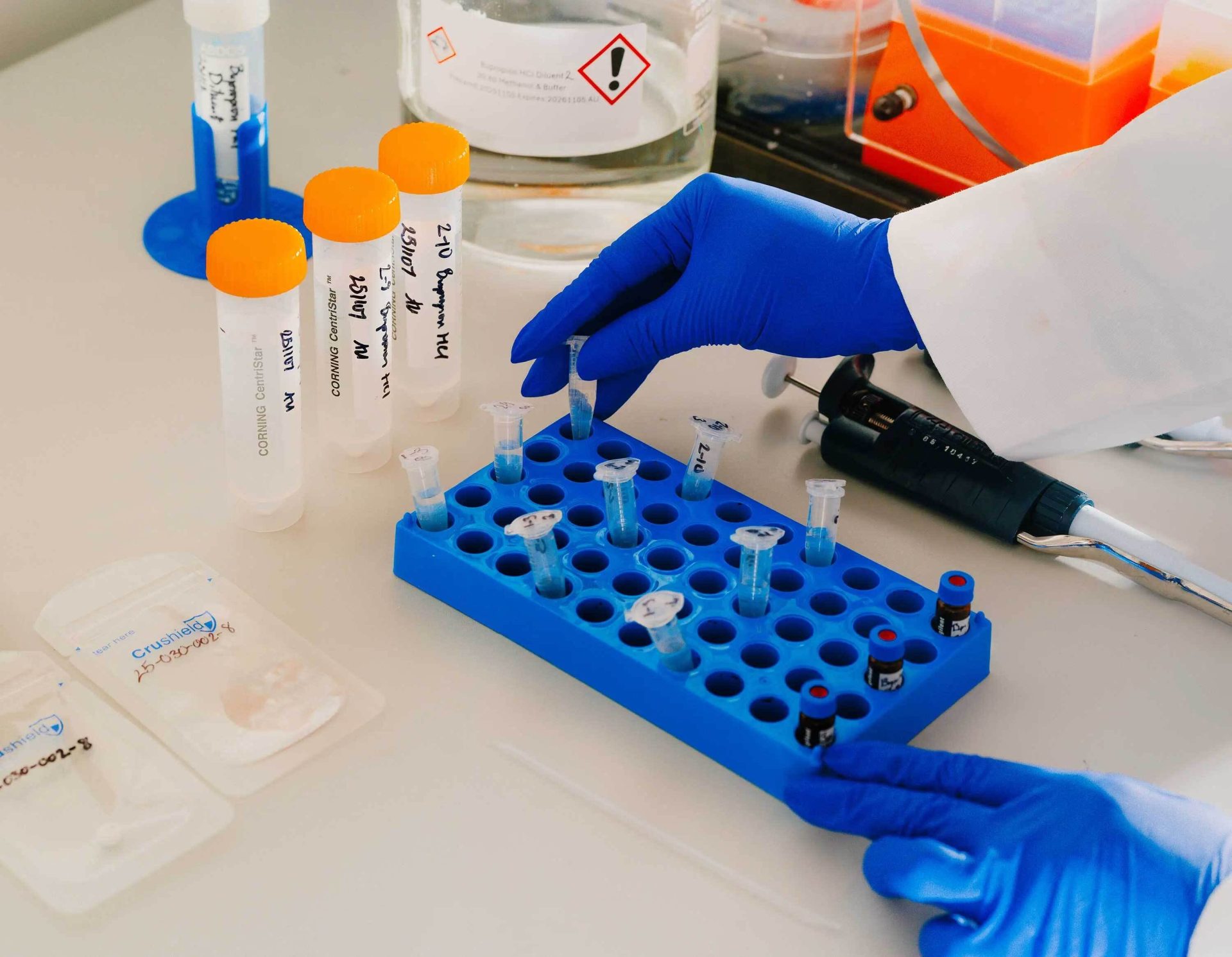
The reporting team also probed the FDA’s yearslong failure to test generic drugs for quality and safety problems, a lack of rudimentary oversight that has fueled fears that some generics simply don’t work right.
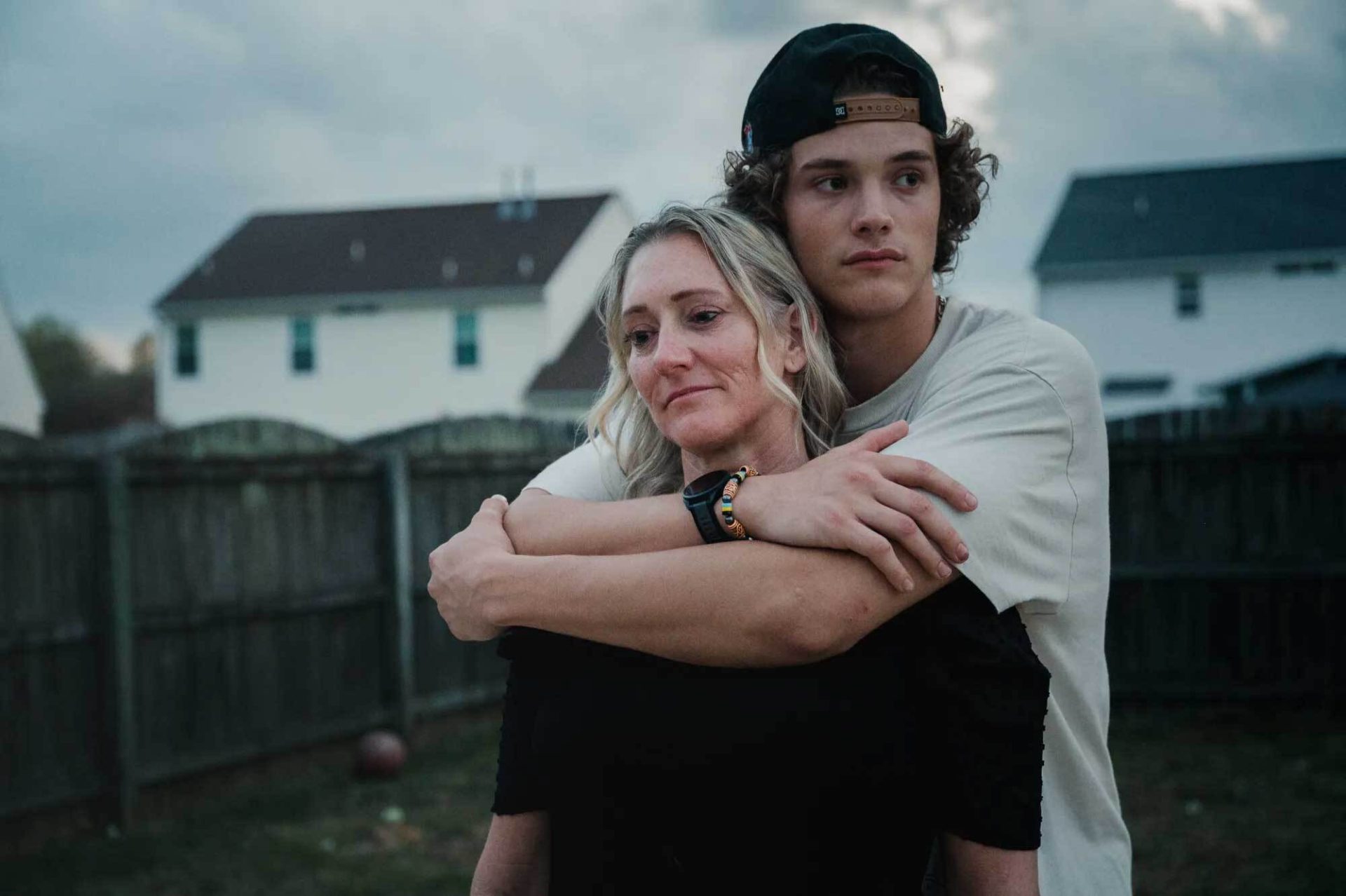
ProPublica proved those fears were justified; we tested generics and found some dissolved improperly, which can flood patients with too much medication or leave their symptoms poorly treated. Those safety breaches were brought home in the story of 21-year-old Hannah Goetz, who took potentially ineffective immunosuppression medication in the years before her body rejected her transplanted lungs.
“Dear mom, i think eventually you will find this, and when you do i don’t want you to get sad,” Hannah wrote not long before she died.
The reporting team went further, building a groundbreaking interactive tool that for the first time empowers consumers to track where their drugs come from (using only the labels on their pill bottles) and whether the factories that made them violated fundamental safety and quality standards. We believe Rx Inspector provides the most comprehensive list of FDA actions tied to drugs ever assembled, and it’s already being used by researchers to fundamentally change the way the U.S. government buys drugs.