
We hope that our selection of a micro-newsroom of two people is a testament that pure enthusiasm and professionalism can win over large budgets. It is a very strong science journalism piece with a clear public service dimension.
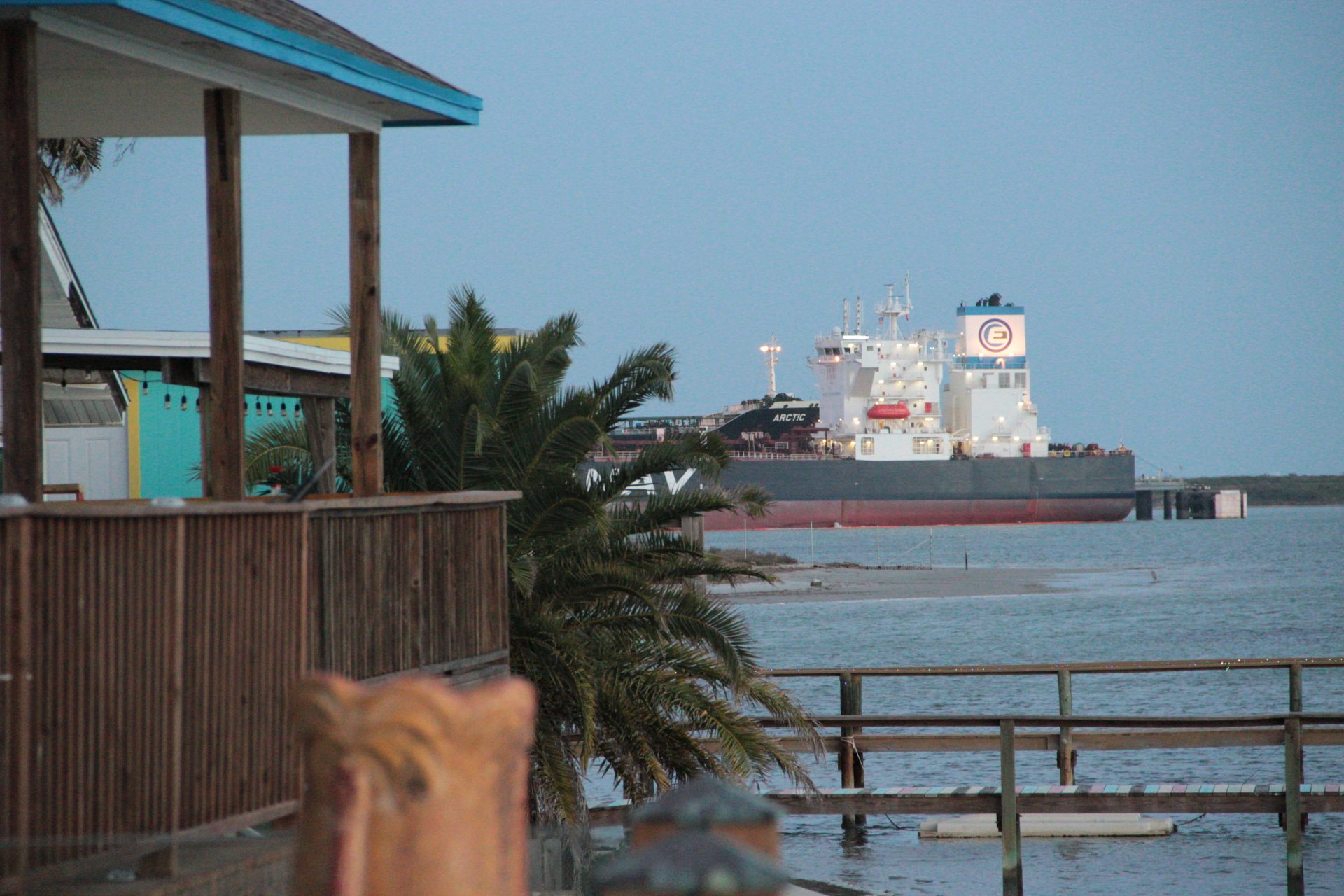
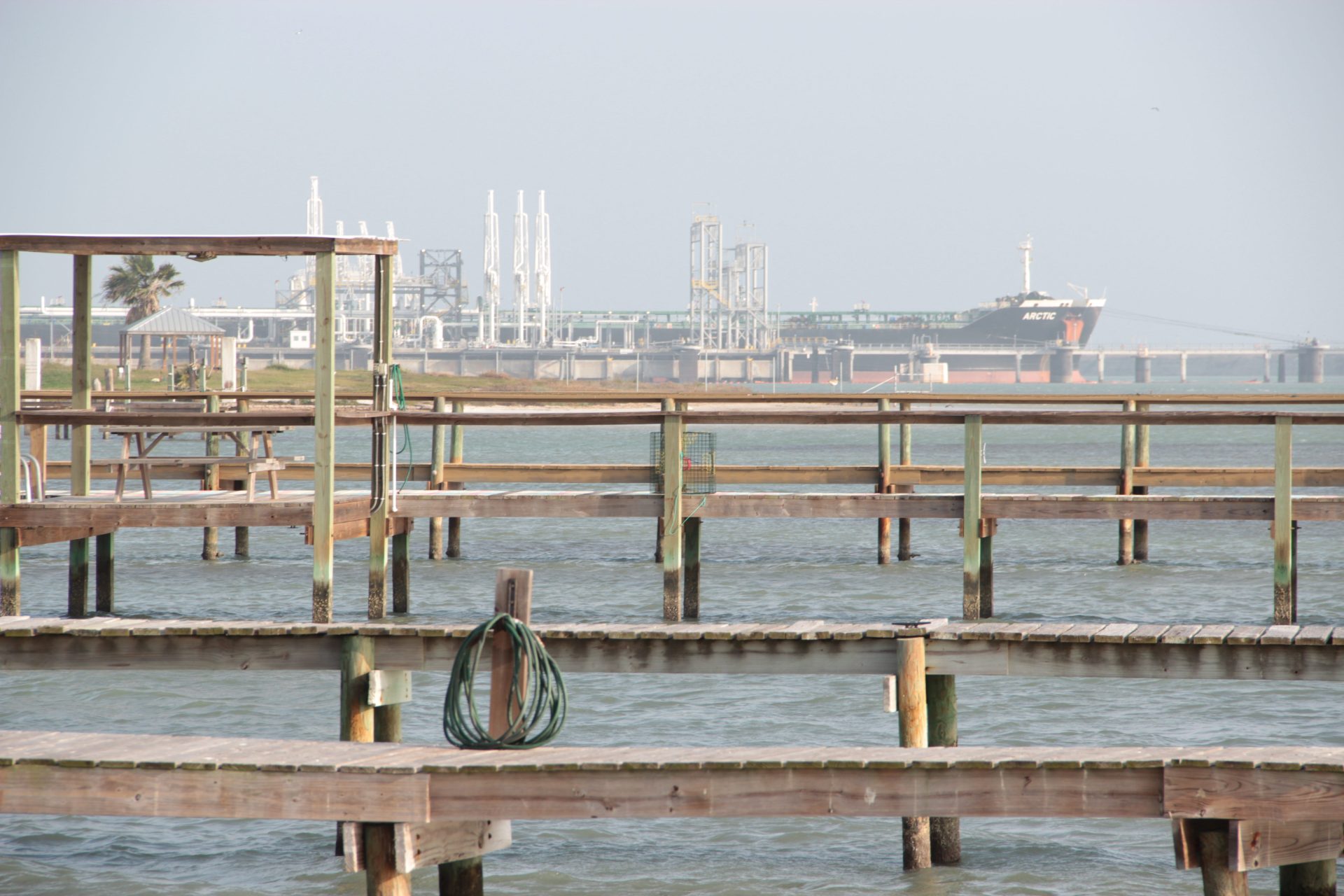
The series focuses on Ingleside on the Bay, a small bayside town of 614 residents in San Patricio County, along the Texas Coastal Bend. Despite being over 80% white, having the second-highest home prices in the region, and voting for Donald Trump for at least fifty points three times, the town has found itself being involuntarily turned into the Crude Oil Export Capital of the United States over the last half-decade.
In 2024, more than half of all U.S. crude oil exports – 700 million barrels worth roughly $50 billion – were loaded onto ships at three facilities within a two-mile radius of City Hall. They were built because power brokers representing Corpus Christi on the regional port commission were able to ignore the views of San Patricio County and execute three separate land sales totaling more than $100 million in 2012 to convert a decommissioned naval base into future crude oil export facilities, despite the practice being illegal at the time. These facilities would eventually become, at the time of publication, the largest crude oil export terminal in the U.S., the second-largest crude oil export terminal in the United States, and a formerly Koch-owned terminal which had two oil spills over a span of 379 days, causing residents to have “burning eyes” and clumps of oil floating across Corpus Christi Bay months after the disaster.
For the past eight years, the U.S. has produced more crude oil than any other country at any point in history, part of President Donald Trump’s ambition to assert “energy dominance” and lock the country towards a path of fossil fuel dependence. This is the first time any reporter has been able to pinpoint a nexus in the U.S. crude oil export industry, a newfound sector only made legal after the crude oil export ban repeal of 2015, and attempt to fully quantify its devastating environmental health impacts on humans and wildlife.
Having spent three years speaking to members of the community and being the only reporter to attend a Notice and Comment Hearing held by the Texas Commission on Environmental Quality, I found that despite San Patricio County seeing a seventeen-fold increase in toxic chemical risk, the entire county did not have a single working ambient air monitor. Local elected officials were never told of the toxic chemical risk, and there are only two fire trucks in the entire town, manned by volunteers who lack access to personal protective equipment. Despite the EPA recording 15 months of “High-Priority” Clear Air Act violations, the TCEQ only fined the Koch facility $21,800, or less than the profit the company makes every two minutes. A year later, the Commission agreed to a five-year renewal of its Federal Operating Permit. (A TCEQ official admitted off the record that the agency has never rejected a federal operating permit for similar facilities.)
This series lays the foundation of ongoing reporting at The Xylom that tracks how the U.S.’s crude oil export supply chain has fared since the start of the Iran War.