
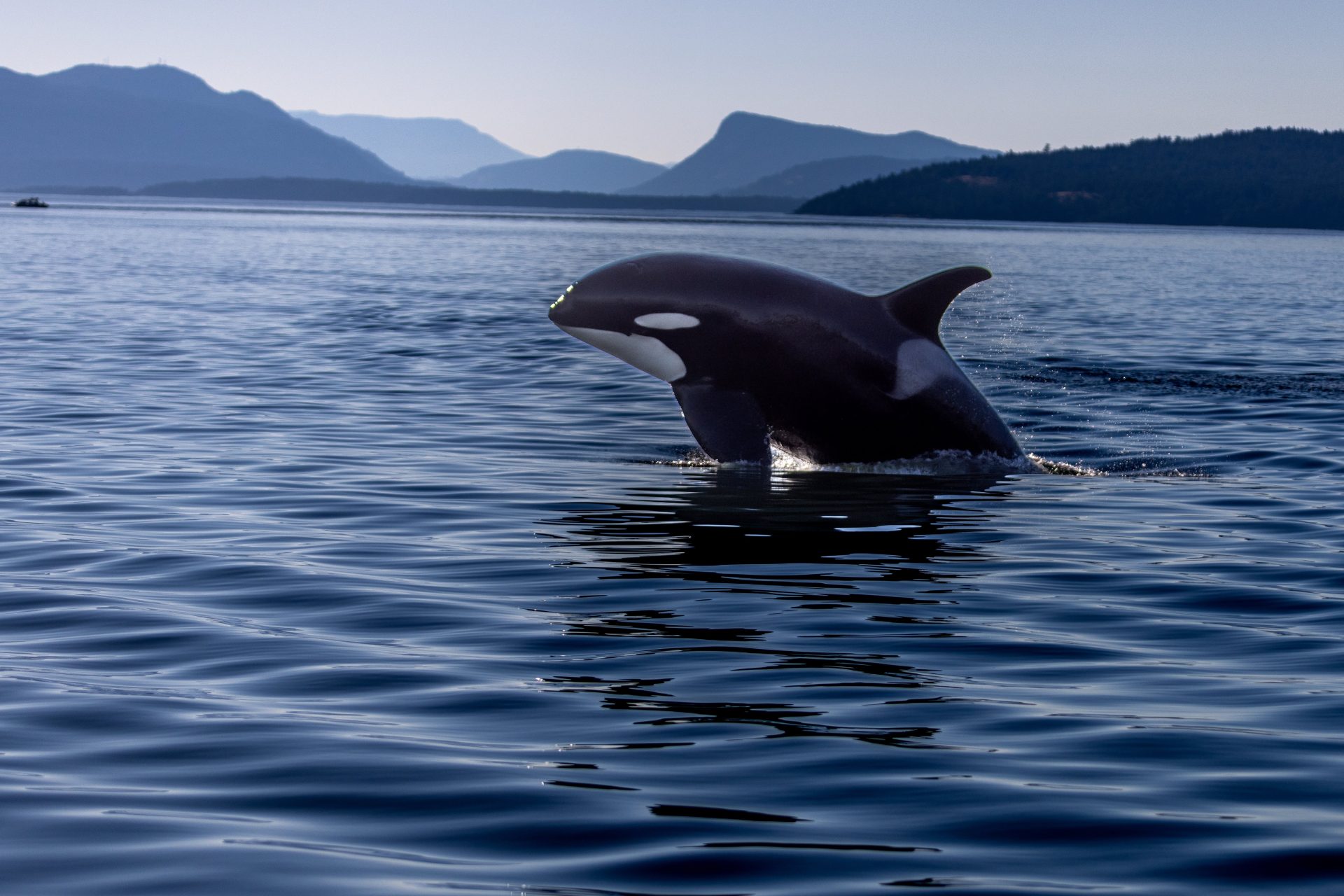
This immersive, multiplatform feature package centers on the decline of the southern resident killer whales, a culturally and genetically distinct population of just 76 orcas living off the coast of the Pacific Northwest.
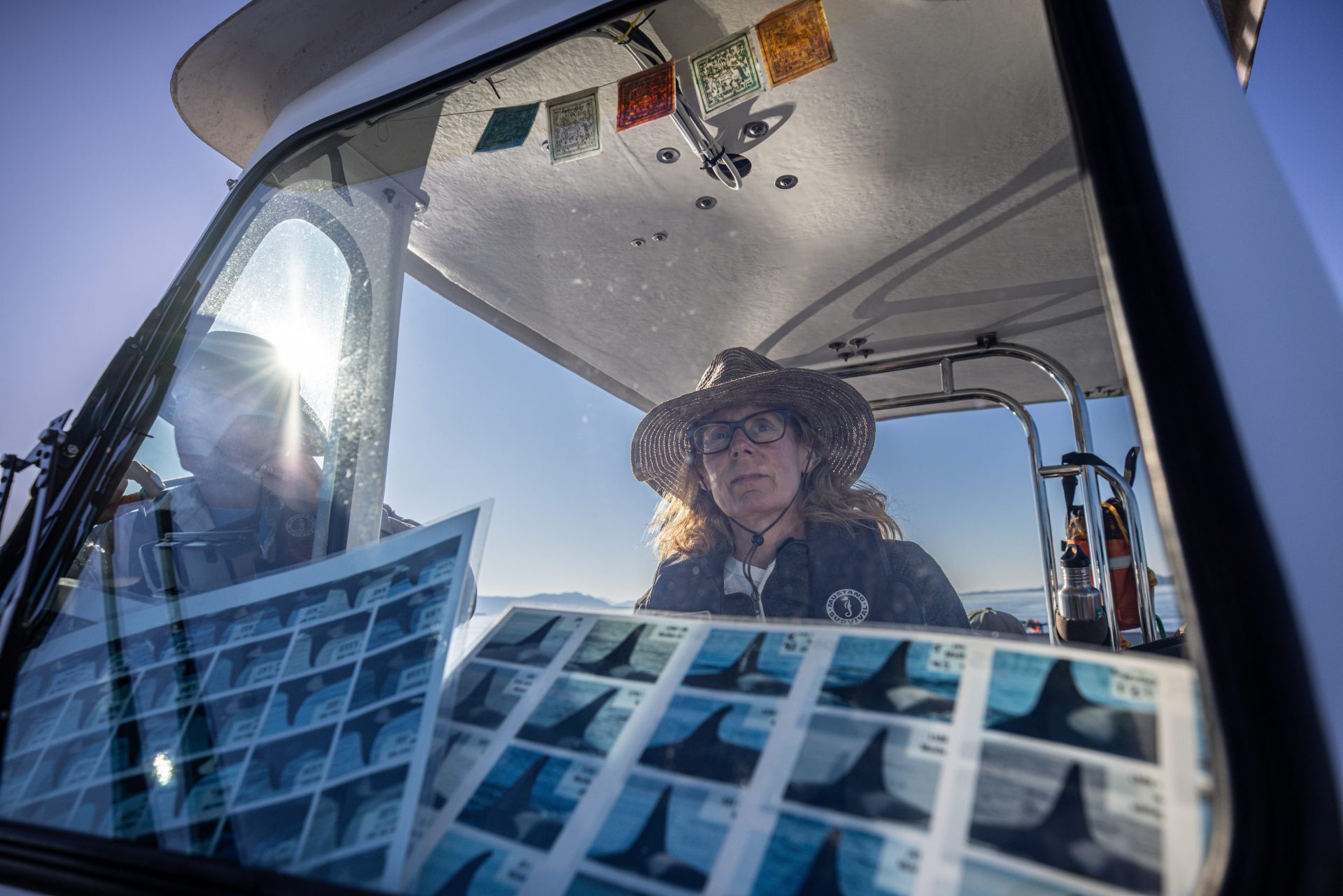
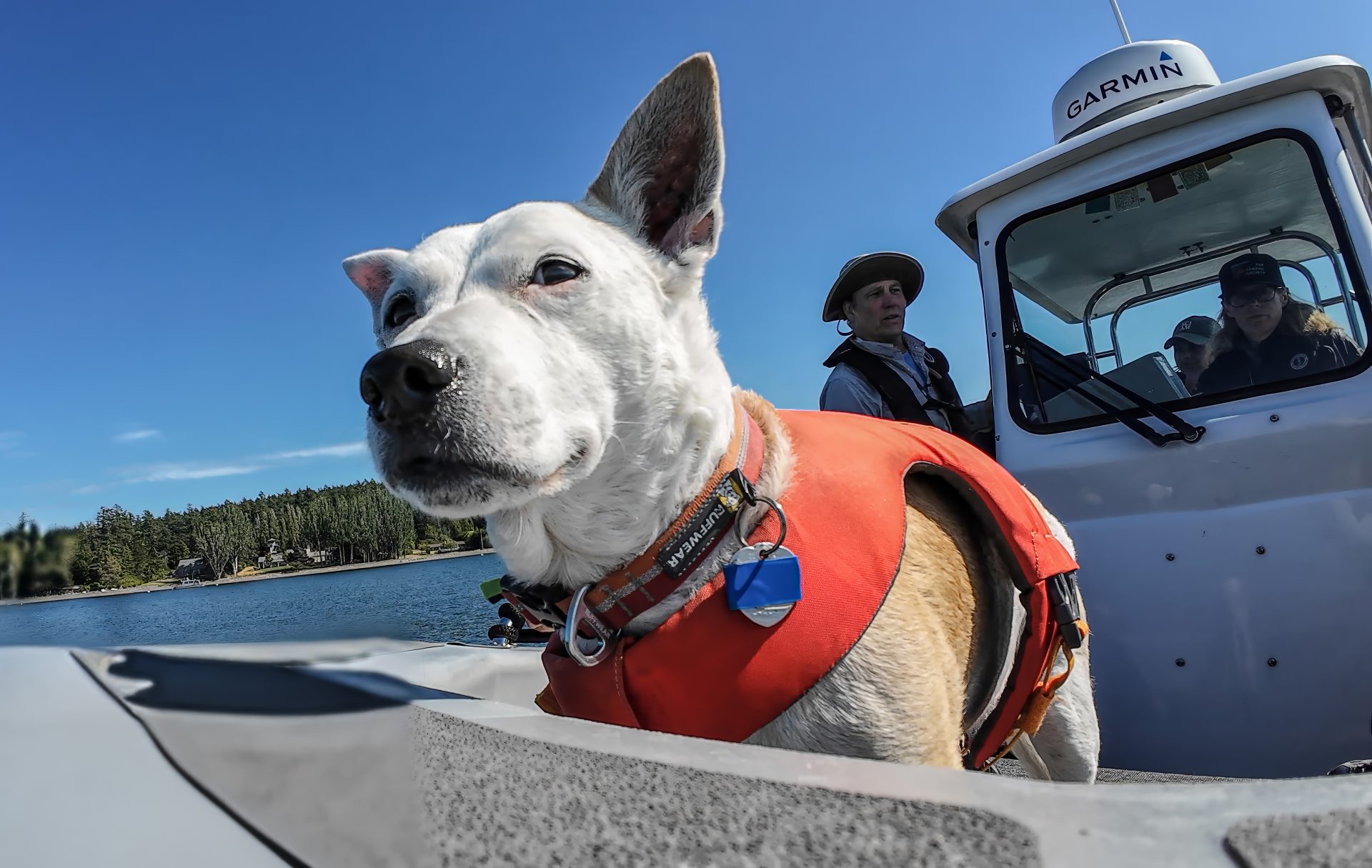
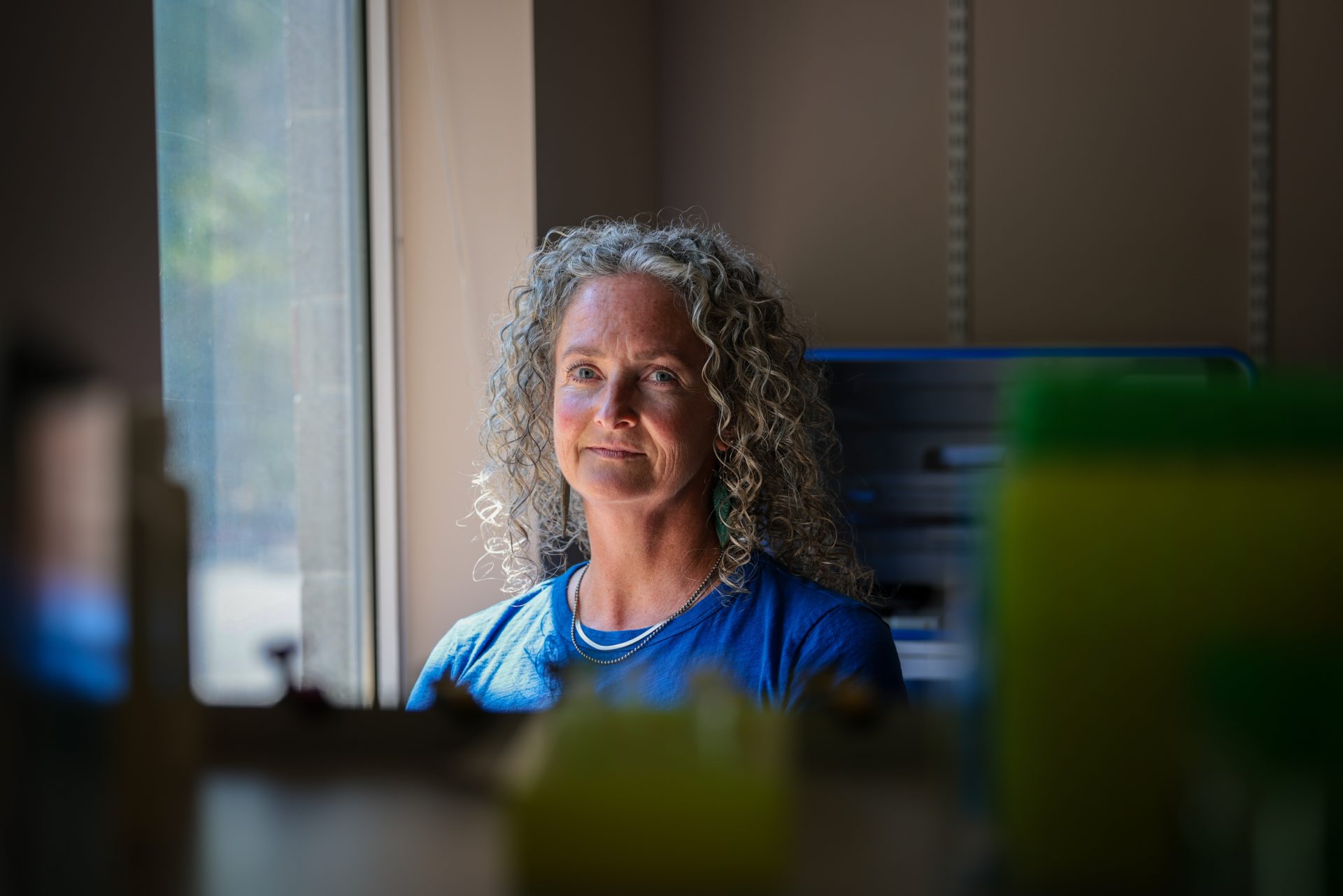
The core of the package is a deeply reported feature that puts readers on a research boat with scientist Deborah Giles and her scat-detecting dog, Eba, as they work to collect data crucial to understanding what these whales eat, how they’re faring and what they need to survive. The story weaves together the natural history of the southern residents, decades of scientific research identifying three compounding threats—vessel noise, chemical pollution and prey scarcity—and an urgent new crisis: federal funding cuts by the Trump administration that have stalled or terminated grants, gutted NOAA’s workforce and pushed early-career researchers to the brink of leaving the field entirely.
The package extends across four platforms to reach and engage different audiences. A short documentary brings viewers aboard the research vessel and into the field alongside scientists. A Science Quickly podcast episode offers an accessible, conversational entry point for audio audiences. And social videos distill the story for younger, social-first audiences, broadening the reach of this story beyond traditional readership.
Together, the pieces combine rigorous science reporting with character-driven storytelling, using Giles and Eba as an emotionally resonant anchor for the broader story of what happens when both a species and the research meant to save it come under threat at the same time.