
In the early months of Robert F. Kennedy Jr.’s tenure as health secretary, ProPublica Reporter Patricia Callahan revealed how changes he was considering to an obscure corner of the federal bureaucracy could prompt the few companies that make vaccines for American kids to abandon the U.S. market, leaving even parents who want the shots unable to get them.
As he revived debunked claims about vaccines and autism, it was easy for parents to lose sight of the risks of the infections immunizations prevent.
So Callahan dived deeply into the science and exposed how Kennedy’s vaccine agenda risks a resurgence of deadly childhood plagues. The U.S. government took a half century to build a vaccination system that shielded children from disability and death. Its success depended on two fundamental pillars: parents trusting in vaccines and children having access to them. Both are now in peril, thanks in no small part to Kennedy, she found.
In a way no other news outlet has done, ProPublica showed how long-forgotten contagions have roared back, killing and maiming children in parts of the world where access to vaccines or trust in them faltered. What seemed like subtle changes to a country’s vaccine policies led to death and disabilities years later.
Even in places that offer the most advanced health care, doctors have felt impotent trying to undo the damage when these horrors return.
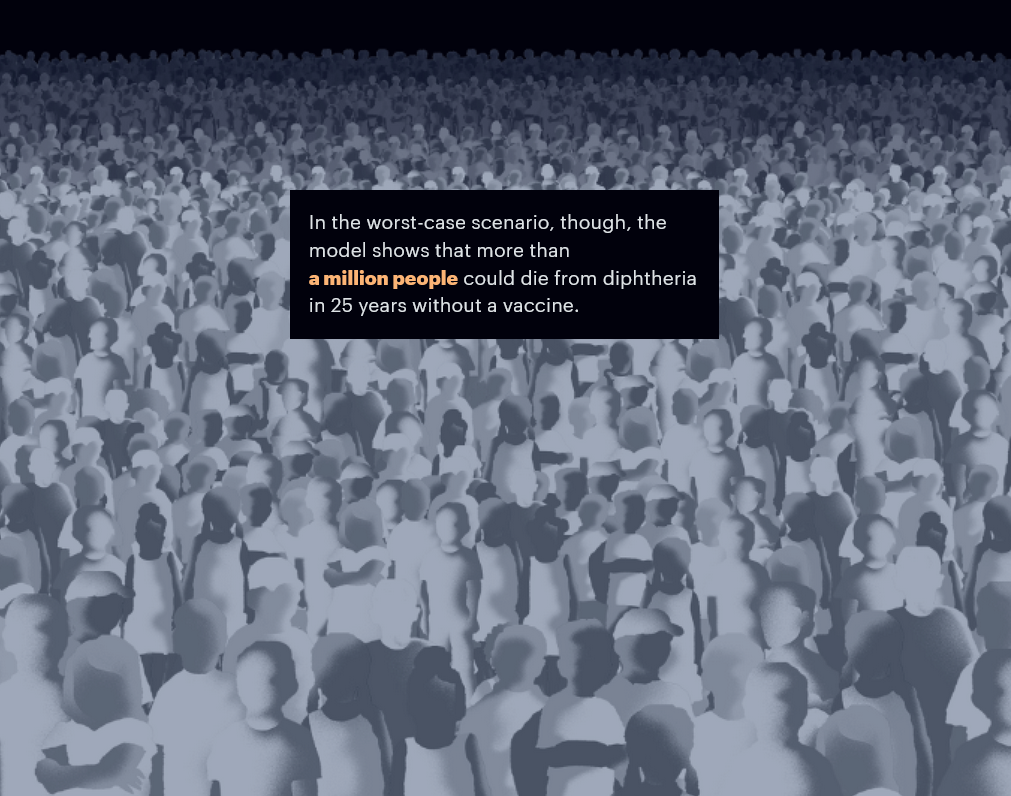
Callahan discovered that Stanford epidemiologists had modeled how many people would die or be disabled over 25 years if Americans lost the vaccines that protect kids from polio, measles, rubella and diphtheria. What they found was far more compelling when told visually, so Graphics Editor Lucas Waldron created a data visualization as a companion piece. To maximize the audiences for both, ProPublica ran each about a week apart.
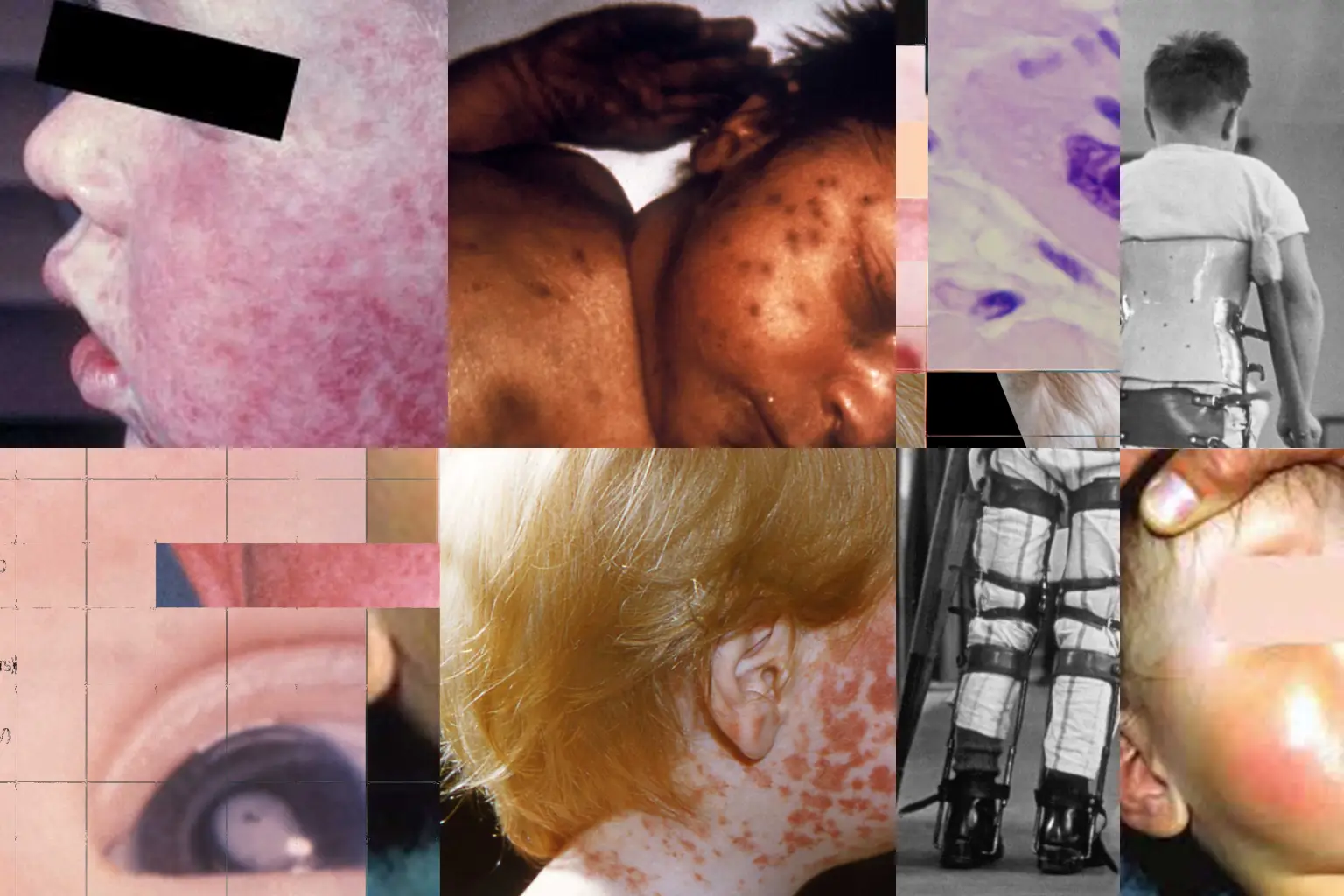
The presentation made the abstract threat of these ancient scourges real for our audience by interspersing images of children suffering from diseases that vaccines now prevent.