
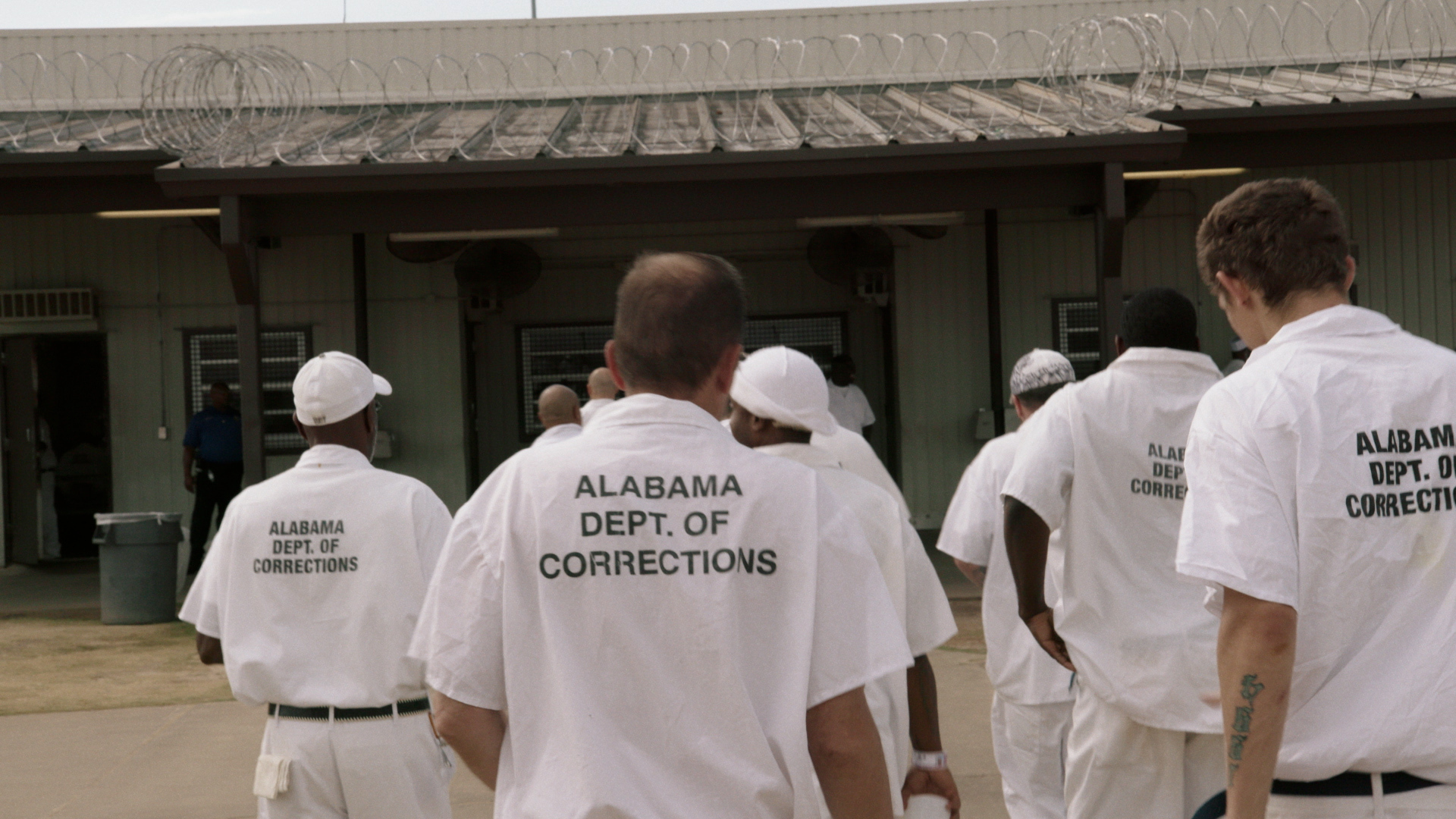
The making of documentary feature film, The Alabama Solution, started in 2019 when we visited an Alabama prison to film a revival meeting. Off camera, incarcerated men whispered a message: terrible things are going on here and kept secret from the public. This sparked an immersive, six-year investigation to uncover the reality behind the walls of the nation’s deadliest prison system.
Every year, U.S. courts send roughly eight million people to serve time in prisons or jails, making incarceration the legal system’s primary tool for enforcing criminal judgments and administering justice. Despite its central role the prison system remains largely hidden from public view. Supreme Court precedent gives wardens broad discretion to deny journalists access to correctional facilities, severely curtailing independent scrutiny of how punishment is carried out in the name of the law.
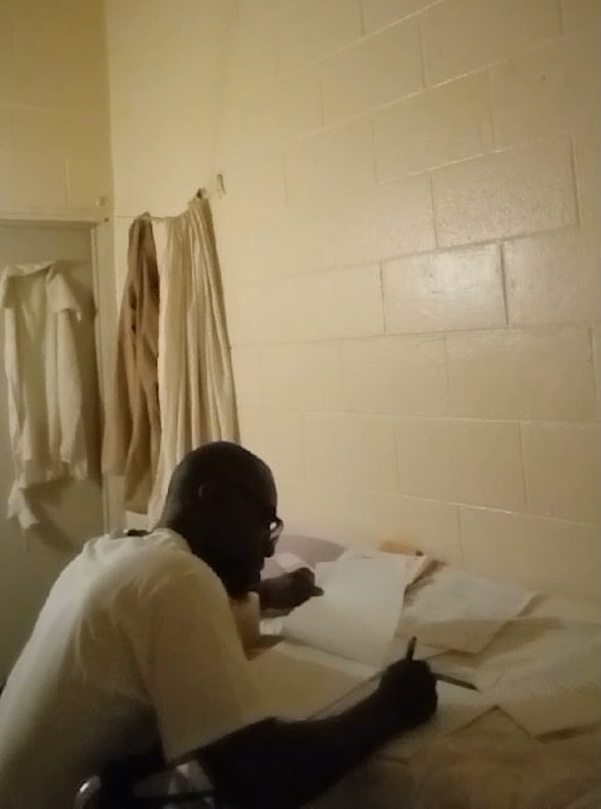
In Alabama, we found an opening: men inside the system were communicating with the outside world through contraband cell phones. We learned of two incarcerated activists, Robert Earl Council and Melvin Ray, who used the phones to organize a nonviolent protest movement and document unconstitutional conditions. Council, Ray, and others living inside Alabama’s prisons had direct experience of and insight into the causes of the crisis: plunging parole rates, an officer-driven drug trade fueling skyrocketing overdose deaths, and forced labor.
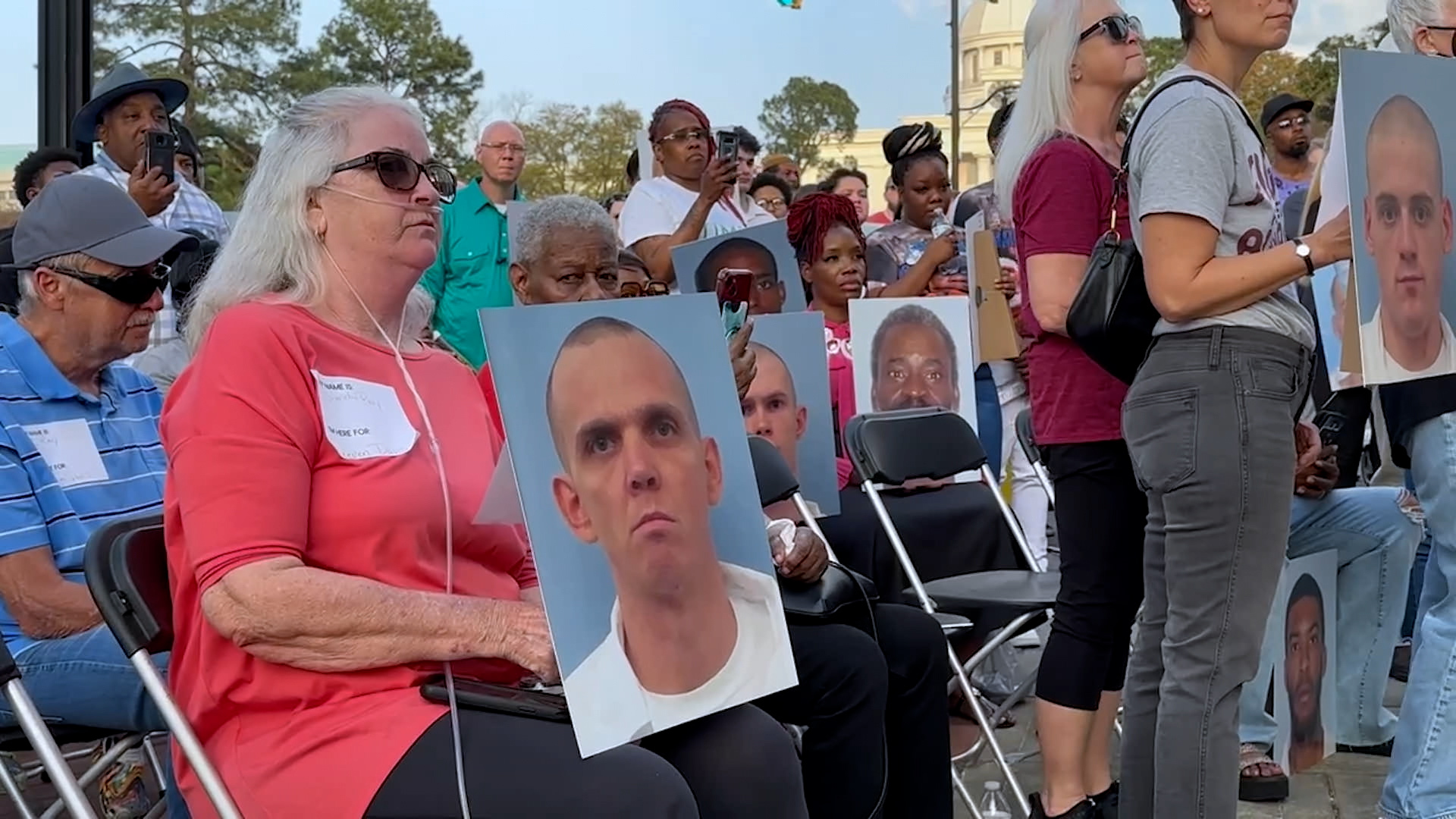
When 34-year-old Steven Davis was killed by a notorious correctional officer, we documented the fear and anger that spread through the prison while a cover-up unfolded. Outside, we followed Steven’s mother, Sandy Ray, as she searched for the truth. Embedding with her attorney, Hank Sherrod, as he investigated the death and pursued a lawsuit, we captured the obstacles civil rights attorneys face when litigating against the state and the mechanisms by which the state protects and emboldens brutal officers at the cost of tens of millions of dollars annually.
The obfuscation of Davis’s killing demonstrated that the system cannot be trusted to investigate itself. Therefore, we committed to documenting every in-custody death that occurred during the making of our film. We filed records requests, examined autopsies, and spoke with witnesses to determine who died and how. The film’s final image shows the faces of more than 1,000 incarcerated men who lost their lives since we started production. Our full, searchable database is available at thealabamasolution.com. The database illustrates that the stories captured in the film are not anecdotal but part of a systemic, ongoing crisis.
Across the country we are witnessing a renewed effort to conceal information about how we detain people in prisons, jails, and immigrant detention centers. In fall 2025, the FCC proposed new regulations expanding law enforcement’s ability to use cell phone blockers, cutting off the only tool of transparency available. This comes as the Department of Justice has largely dismantled its Civil Rights Division, abandoning oversight of prisons and jails, and cutting funding for reporting on deaths. Our film shows what’s at stake when prisons are kept out of public view — and why transparency and accountability are urgently needed.