
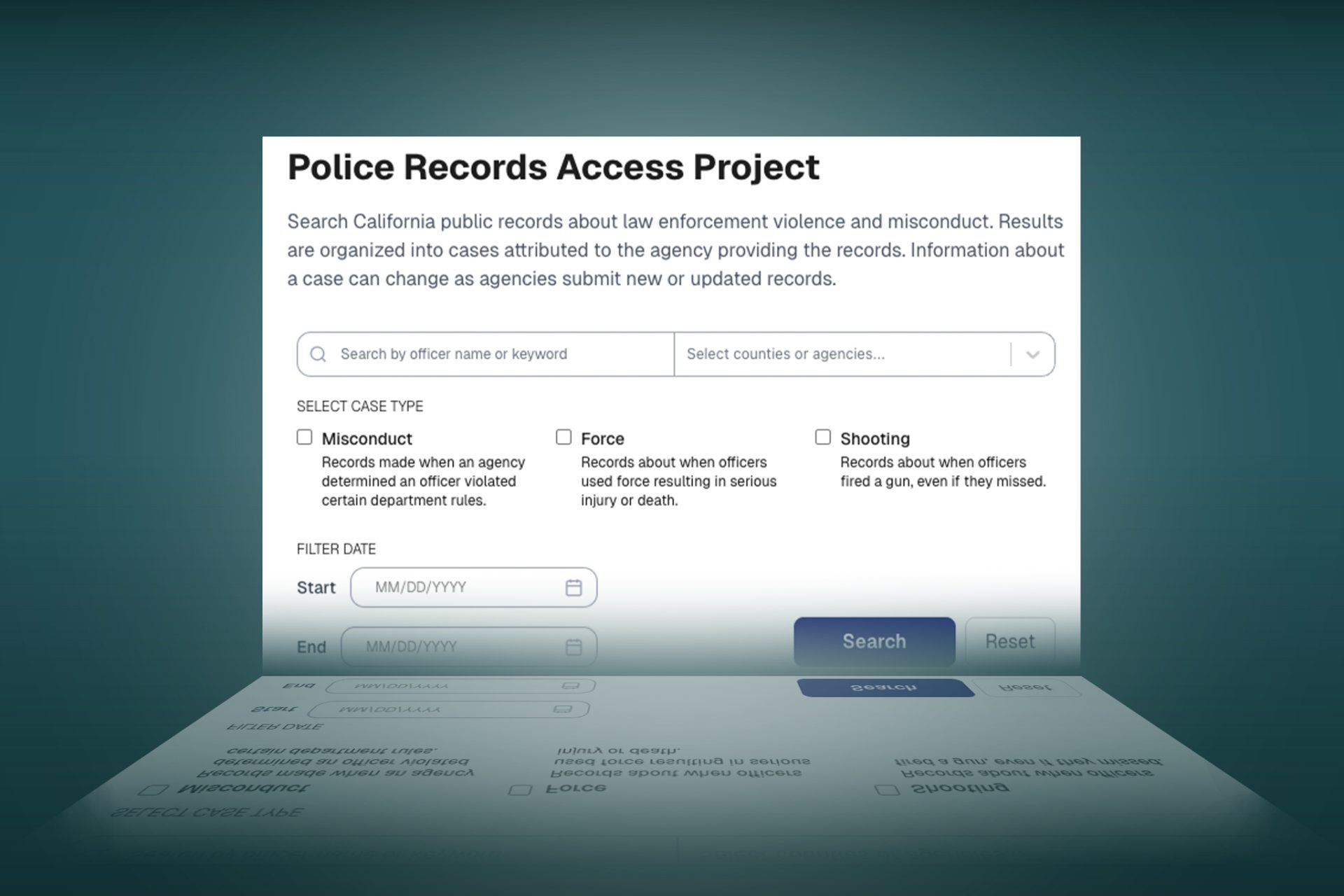

The Police Records Access Project published a first-of-its-kind database with newsrooms throughout California on August 4, 2025, releasing about 1.5 million pages detailing police violence and misconduct.
The database has already begun to make a mark. People have searched the records more than 8 million times, reporters are illuminating how law enforcement is conducted and attorneys are finding information that could change the outcomes of court cases.
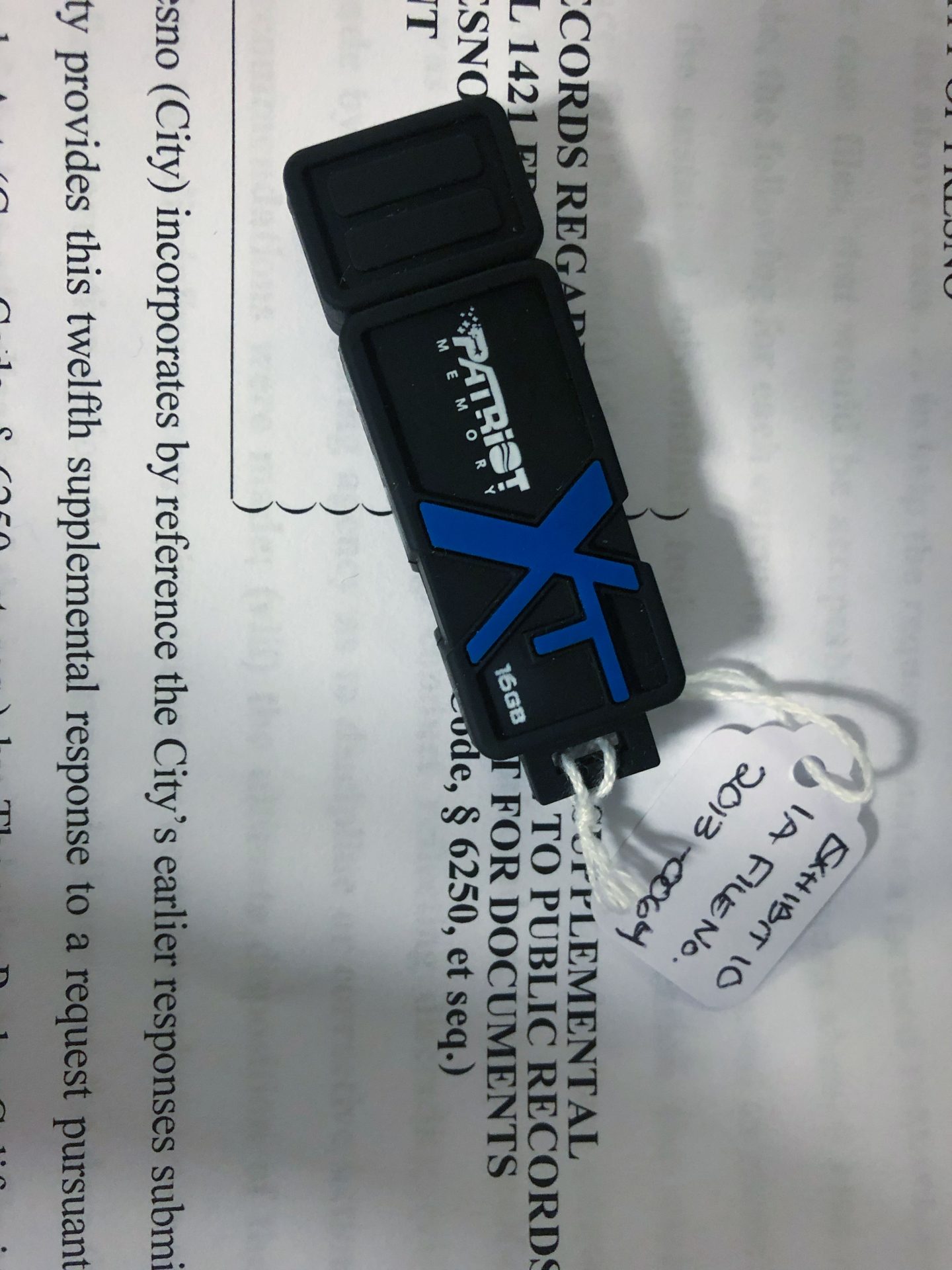
California lawmakers passed the “Right to Know Act” in 2018, breaking a wall of secrecy around police internal investigations, making public records when officers seriously injured or killed people, were dishonest or sexually assaulted someone. Journalists across 40 newsrooms came together, filing thousands of record requests and gathering incident reports, internal investigations, autopsies, district attorney investigations, body-worn camera footage and other files.
Now situated at UC Berkeley Journalism’s Investigative Reporting Program, the Berkeley Institute for Data Science and Stanford’s Big Local News, we work with a team of reporters, engineers, attorneys and academics to apply generative AI and machine learning to organize and classify our records. Our collaboration has identified about 12,000 use-of-force cases and more than 2,000 misconduct cases and provided the original records to the public.
We’ve applied data science to our public records work. To ensure that agencies are sending us qualifying records, we use three state databases that detail uses of force and sustained complaints. By systematically checking agencies big and small, we’ve identified thousands of disclosable cases that agencies would never have released. As a result, we’ve accumulated more than 30TB of records.
These documents have enormous meaning and power for understanding the criminal justice system. Reporters throughout the state delved into the files, producing more than 100 stories, and in doing so changed police practices and inspired new laws. Their investigations include uncovering a decades-long practice of burying police corruption, criminality and other misconduct in “clean record” agreements and exposing the practice of mining family members for information about a loved one before divulging that he or she was killed or injured at the hands of a law enforcement officer. Local reporters can associate officers with previous misconduct, uses of force or fact check statements.
This is also a tool for experts and the public. Attorneys can examine officers’ histories. One defender used the database and found a sheriff’s deputy who had previously been part of a beating that resulted in a large civil settlement.
The database is important to families who’ve lost people to police violence. Cephus Johnson, whose nephew Oscar Grant was fatally shot by a BART police officer, said that “ for impacted families, the first question is: ‘What happened?’” Now, they can find details about what happened and how it was investigated without dealing with the often frustrating record request process.
Further, we’ve taught reporters from dozens of newsrooms, as well as public defenders and civil rights attorneys, survivor organizations and the public, how to use the database, and we’re explaining how we used generative AI to produce these results.