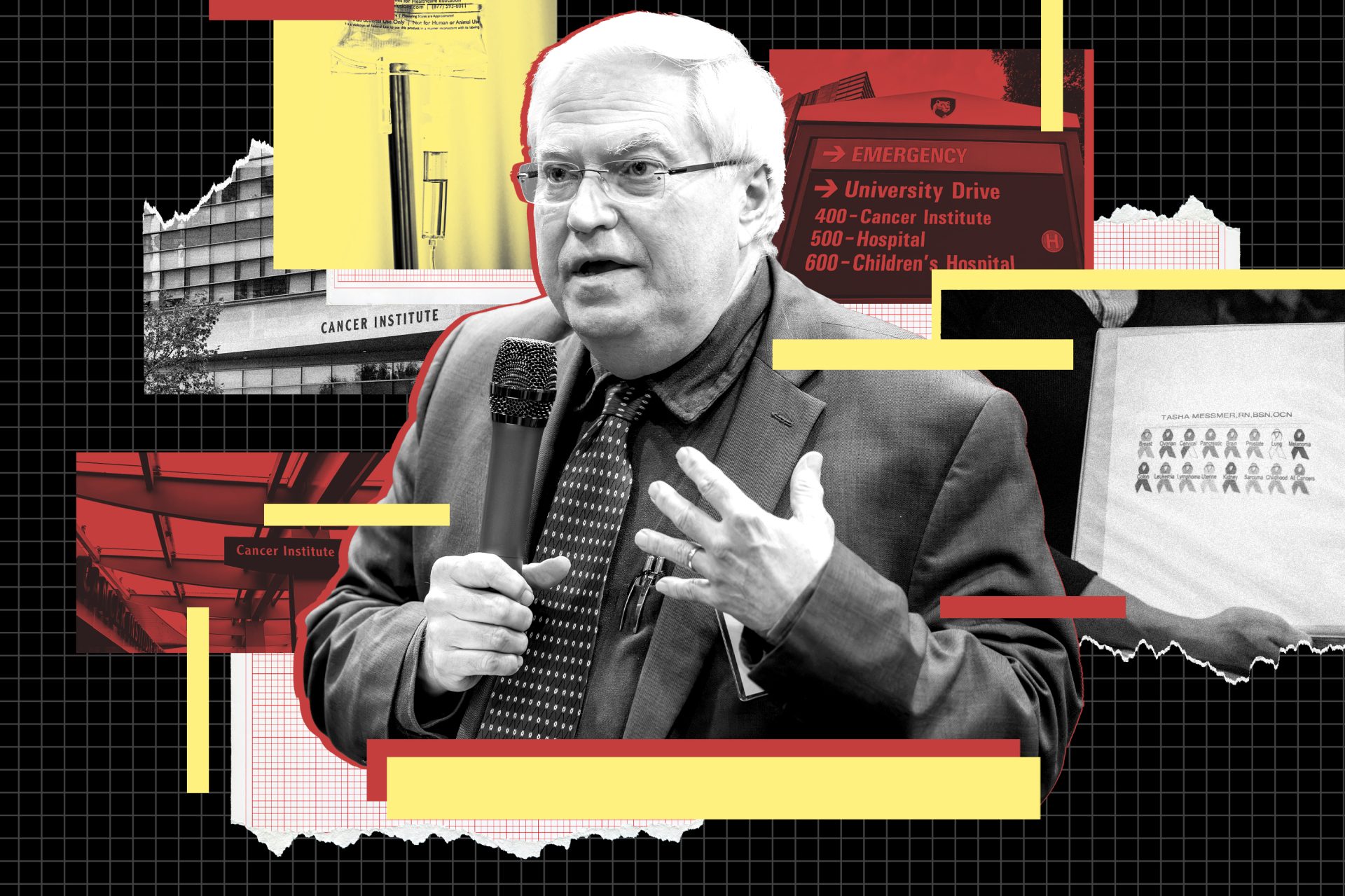
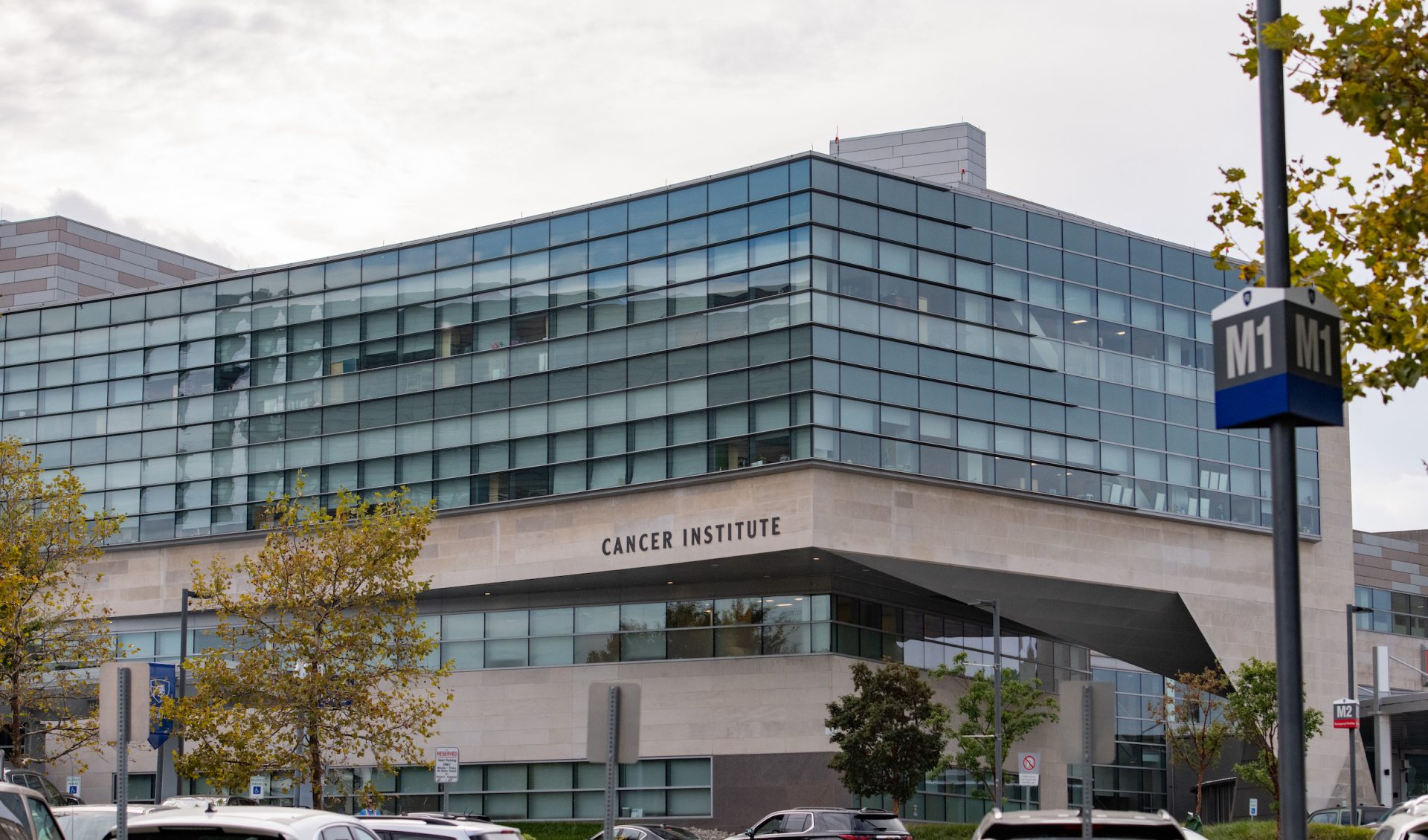
For more than two decades, various Penn State leaders have said their cancer institute would join the ranks of the most elite cancer centers in the country. In pursuit of that goal — National Cancer Institute designation — the university poured hundreds of millions of dollars into its center in Hershey.
Yet, the doctor Penn State selected to lead the center to the highest standards, Raymond Hohl, was a major obstacle to the organization reaching its goals, our investigation found. In recent years, Penn State repeatedly investigated the center director. These reviews documented serious problems with his conduct as a leader and a physician, including alarming lapses in his care of patients, such as several patients receiving extra chemotherapy by accident or unexplained delays in their care. One surgeon, in an email to a department leader, wrote about Hohl: “I refuse to allow any more [patients] to be harmed by him.” Another employee, who reviewed complaints about Hohl, wrote to leaders that the doctor could be a “liability to the organization and the care we provide our patients.” Internal reports described the work environment under the director as “toxic” and “hostile.”
Leaders at the highest levels of the health system and medical college — including Penn State Health’s chief executive officer and chief operating officer, who have both since left the organization, as well as the hospital’s then-chief medical officer and two medical school deans — had extensive knowledge of these problems, records show. Some of the officials even privately weighed removing Hohl as director, but instead chose to keep him as a leader.