About the Project
This project was a collaboration between journalists from The Howard Center for Investigative Journalism at the University of Maryland and Arizona State University, the Global Reporting Centre at the University of British Columbia and The Narwhal, a professional publication also located in B.C., CBC, NPR and Evident Media.
The project examined sometimes fatal gaps in railroad regulation and rail safety preparedness, using analysis of Federal Railroad Administration and National Transportation Safety Board data and records going back, in some cases, 50 years.
What makes this series a candidate for this award, we believe, was our innovative use of a novel dataset that allowed us to track, in near-real time, the precise movements of train cars carrying hazardous materials and quantify the scale of risk to communities located along train lines.
We were the first – and only – news organization to obtain exclusive access to this proprietary train-movement data from RailState LLC, a private logistics company. Many news organizations have used publicly available open source data to track the movement of planes and cargo ships. Because no similar public data set exists for trains, our access to this data allowed us to tell stories no other news organization has been able to tell about rail safety.
For example:
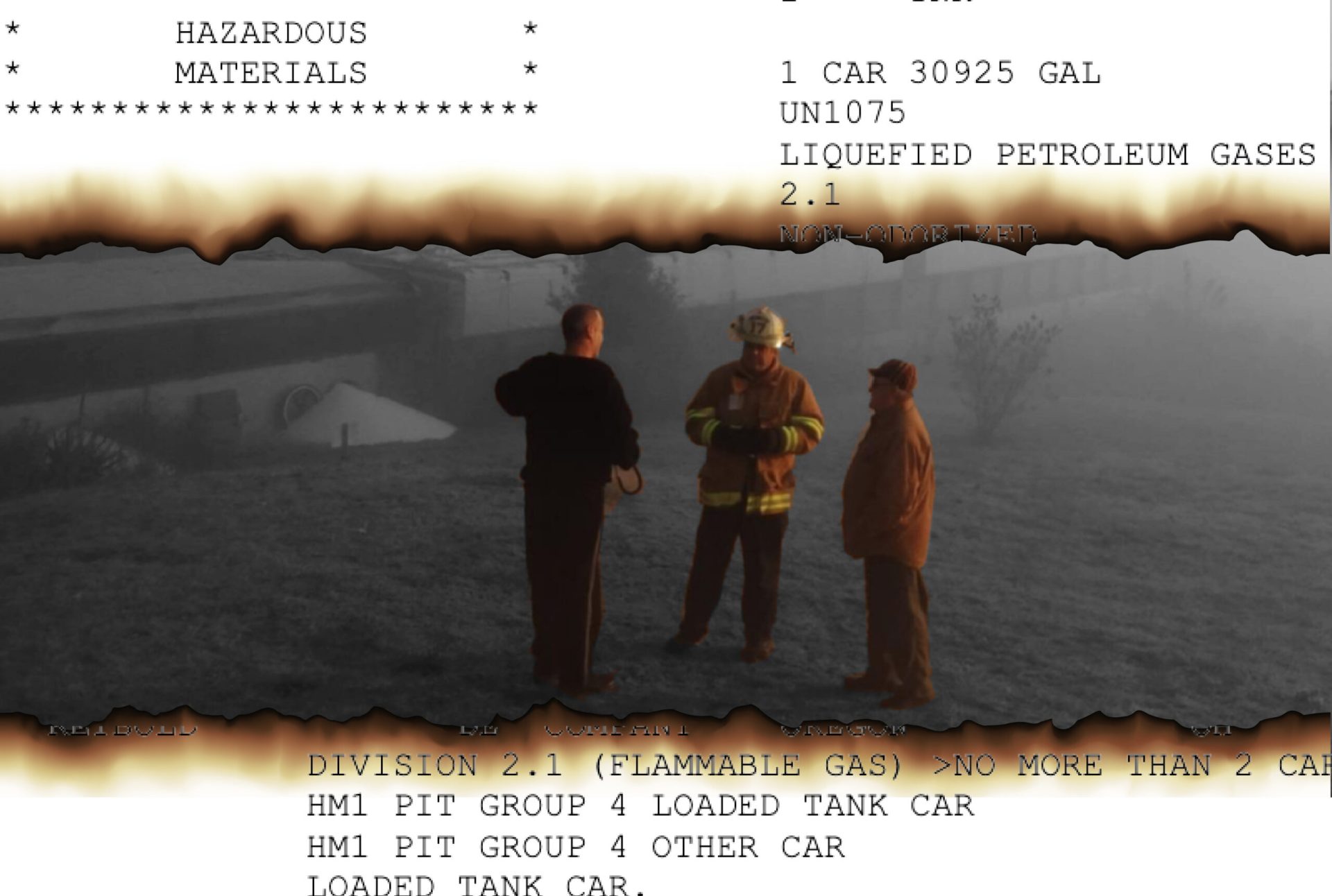
- We showed that two years after the catastrophic East Palestine, Ohio derailment, trains carrying the same chemicals implicated in that disaster were rolling through town twice a week on average – and that trains carrying any hazardous material passed through 10 times a day. The railroads know this, but that risk information is not readily available to the people of East Palestine or their elected officials. https://cnsmaryland.org/2025/02/02/two-years-after-derailment-trains-with-toxic-chemicals-still-roll-through-east-palestine/
- Trains carrying large amounts of flammable material – “High Hazard Flammable Trains”, with dozens of tank cars – are subject to special safety rules because of the catastrophic risk they pose. The accident in East Palestine showed that even trains with small amounts of flammable material can cause massive damage. Some lawmakers want to impose those special safety rules on trains carrying even one car of flammable material. We were able to show that across the U.S., 10 times more trains would qualify for special safety rules if the threshold were lowered.
We also showed:
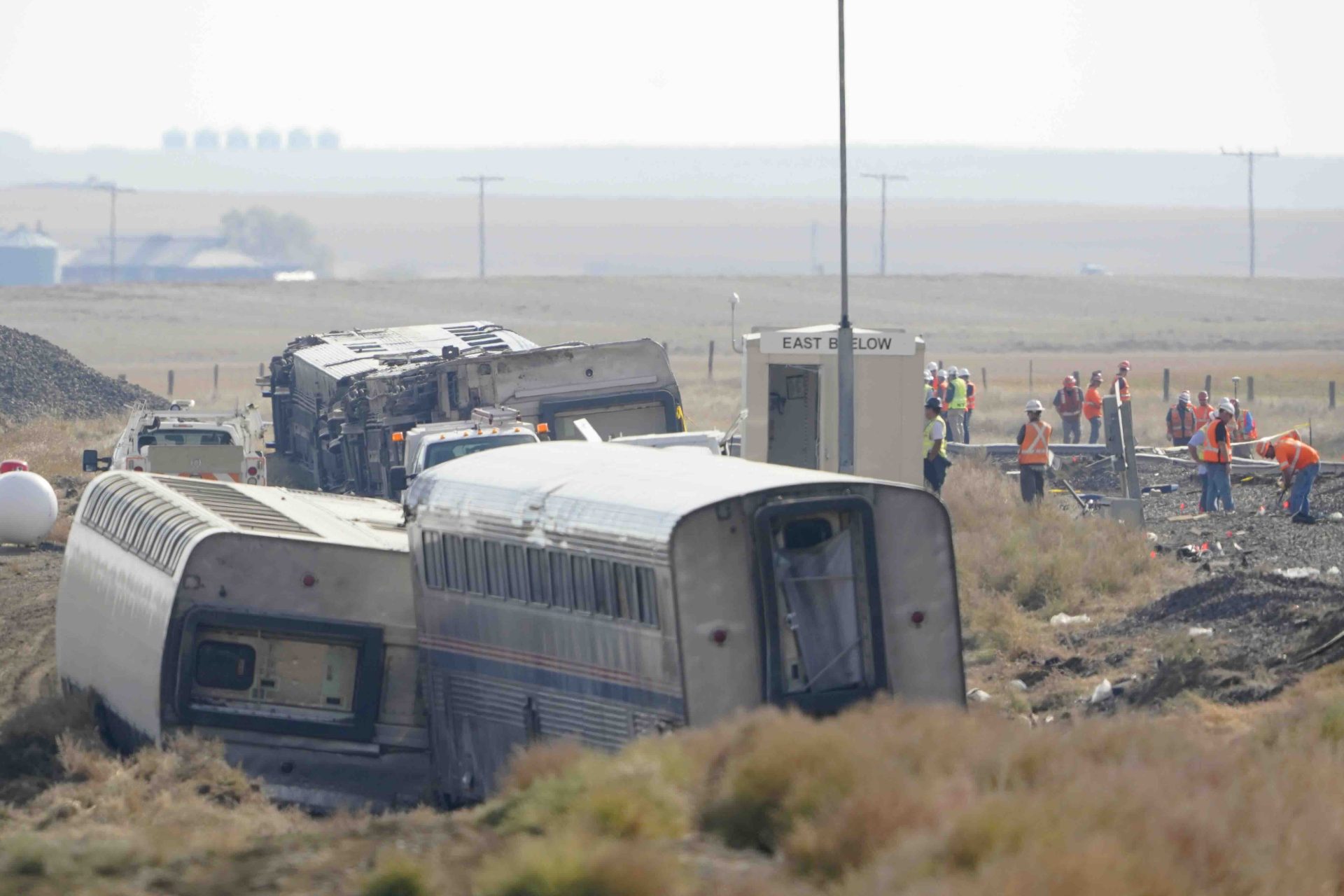
- Human errors and track defects caused more than 3,000 rail accidents over the last decade, killing 23 people and injuring nearly 1,200. Yet federal railroad regulators implemented only five of the 81 safety recommendations resulting from those accident investigations.
- Only six inspectors from the Federal Railroad Administration were responsible for oversight of safety for the nation’s nearly 70,000 railroad bridges – leaving railroad companies largely in charge of inspecting and maintaining their own bridges, and they do not have to share their findings with the public.
- About once every two months, a train derails and spills at least 1,000 gallons of toxic, flammable or corrosive chemicals in the U.S. Nearly half caused evacuations; a quarter resulted in a fire or explosion since 2015. Yet a fifth of U.S. fire departments lack hazmat teams and volunteers are often poorly trained or equipped.