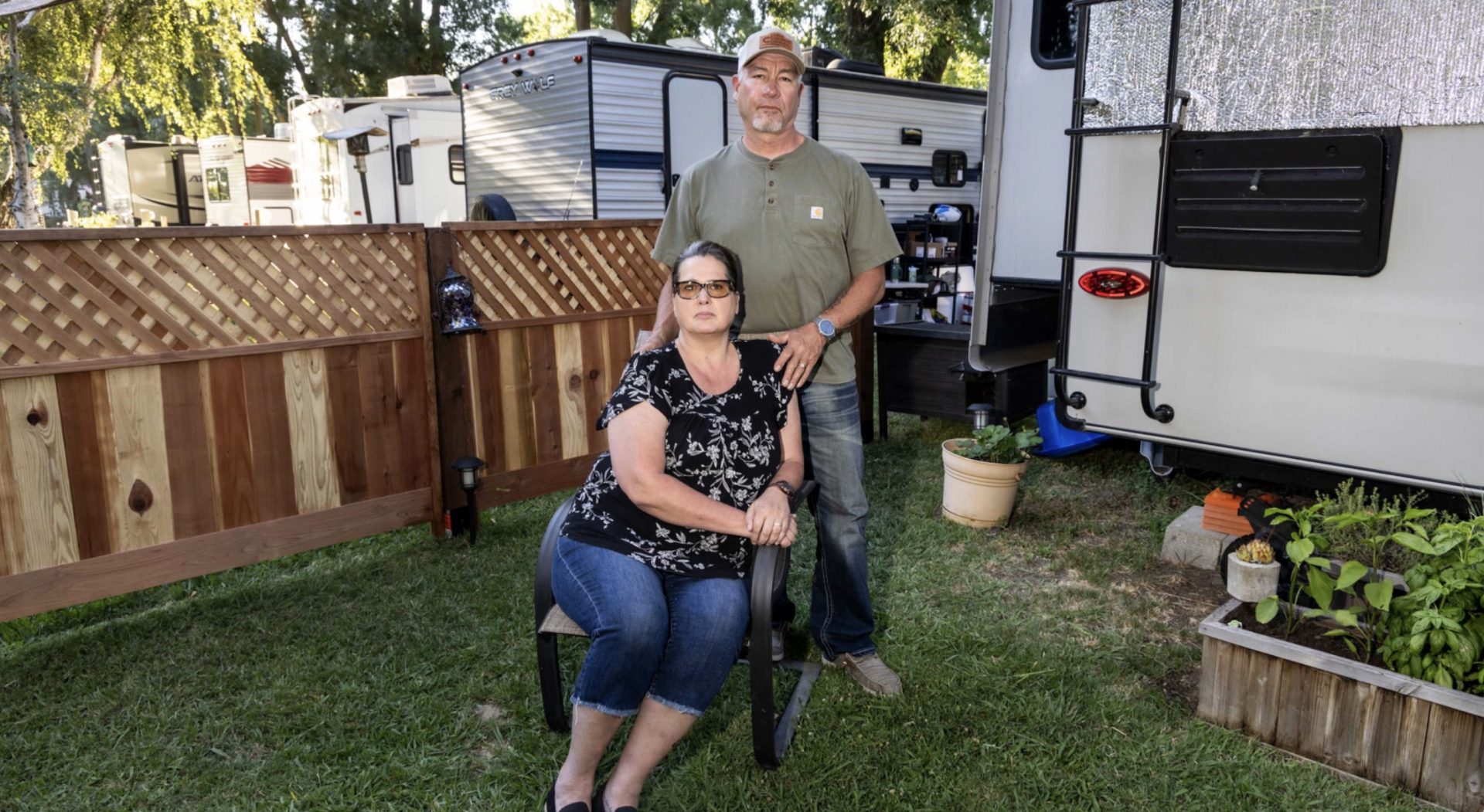
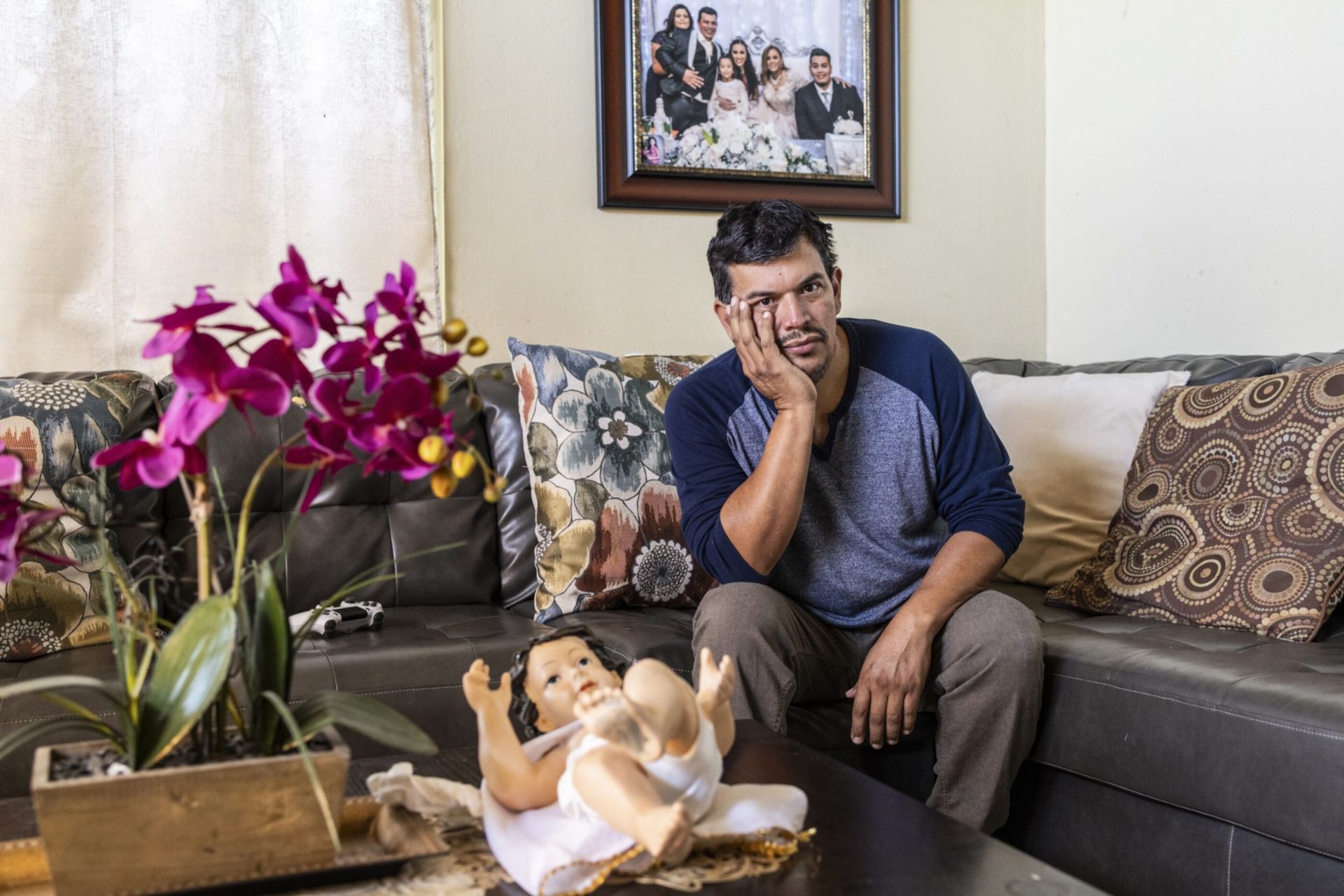
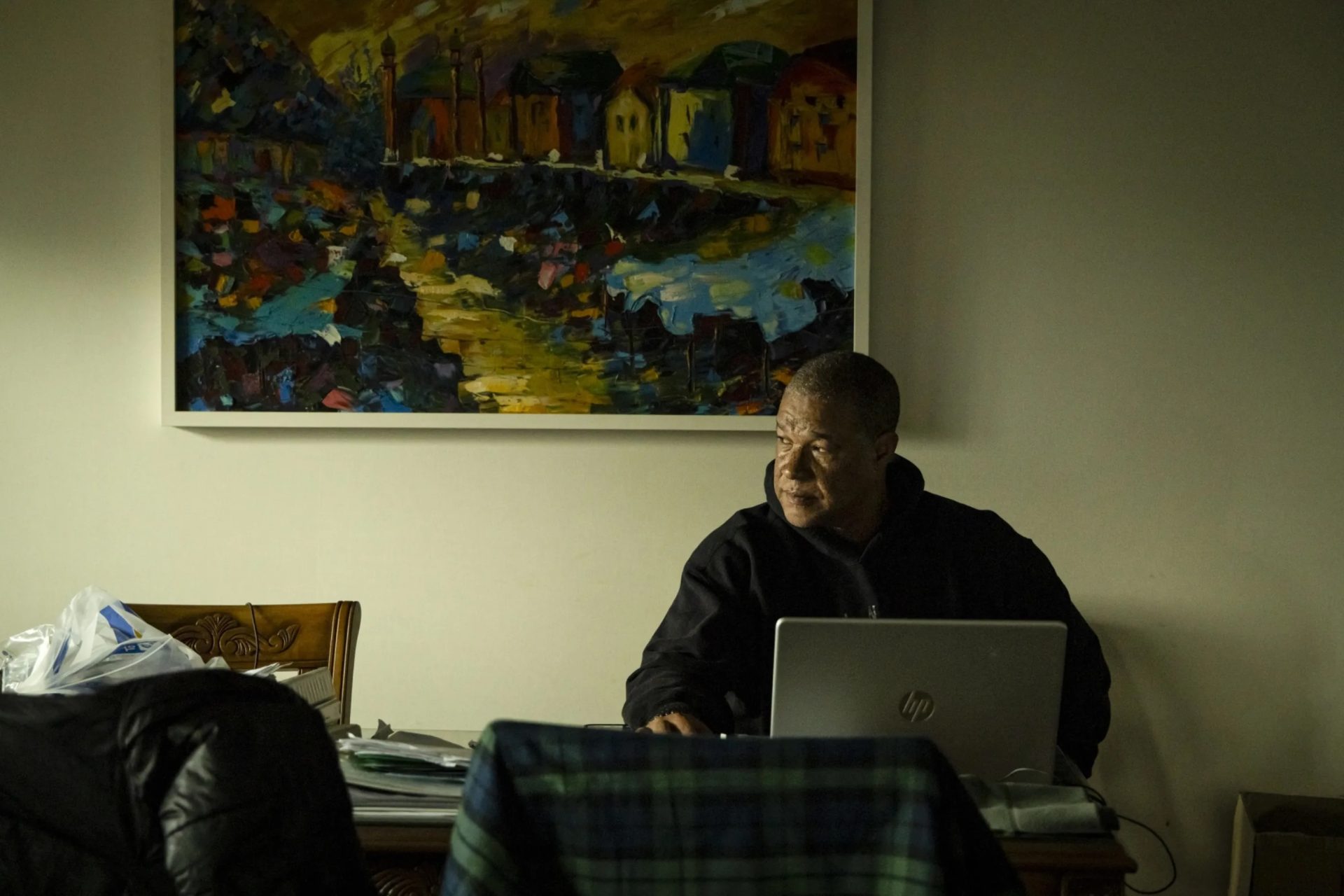
The “Zombie Debt” series documented how debt collectors revived long-forgotten second mortgages from the pre-2008 housing bubble to strip homeowners of equity — and sometimes their homes — often in violation of consumer-protection laws. As we revealed, the rule-breaking occurred with no consequences because the Trump administration effectively halted an ongoing investigation into the most active firms when it tried to dismantle the US Consumer Financial Protection Bureau.
The story began with an unexpected and unique window into the business: a trove of roughly 1 million internal records from a Florida-based debt collector, obtained from the nonprofit Distributed Denial of Secrets. The material came with only a vague allegation — that the firm had improperly foreclosed on homes during the Covid-19 lockdown. To understand what we were looking at, reporters spent months authenticating the records and making sense of them.
What they uncovered was a profitable and deceptive playbook built around “zombie mortgages,” old second loans that had disappeared from homeowners’ lives. After the housing market collapsed, debt collectors bought these loans for pennies on the dollar, then resurfaced years later with demand letters and foreclosure threats. They claimed they were owed balances swollen by back interest. Yet, in case after case, records showed borrowers hadn’t received regular statements in years. Some even had tax forms showing the loans had been canceled.
Once the team understood the business model, they pushed beyond one company to measure how widespread the phenomenon had become. They matched the leak to public records and built a national picture using data on more than 5.5 million second mortgages that had originated in the run-up to the Great Recession. Their analysis found that more than 600,000 zombie second mortgages are still outstanding.
Then they followed the story to the courthouse. A nationwide review of 140 lawsuits revealed that most borrowers who fought back kept their homes and reduced or eliminated inflated claims after producing evidence that collectors had violated consumer-protection laws. The implication was unmistakable: The system often punishes people who don’t have the resources, legal help or time to challenge demands.
The series also discovered that the CFPB had been preparing civil cases against at least three firms after years of investigation into debt collectors’ pursuit of pre-crisis second mortgages. That effort was effectively derailed when the Trump administration moved to gut the agency.
The reporting traced a direct line from the post-crisis reckoning to today’s zombie-debt boom. Banks and the federal government spent billions modifying primary mortgages, but many underwater second liens were left behind — unresolved, unmonitored, and later sold off.
The result was an investigation that used extensive data and a massive document trove of electronic records to uncover hidden misconduct of significant public importance, connecting personal financial harm to systemic market incentives and policy choices.