
There is no greater responsibility for news organizations than telling the truth, exposing injustice and holding public officials to account. Such work becomes even more vital and perilous when the federal government and its rabid supporters insist on evidence-free narratives, then threaten journalists — often publicly and by name — when those lies are exposed.
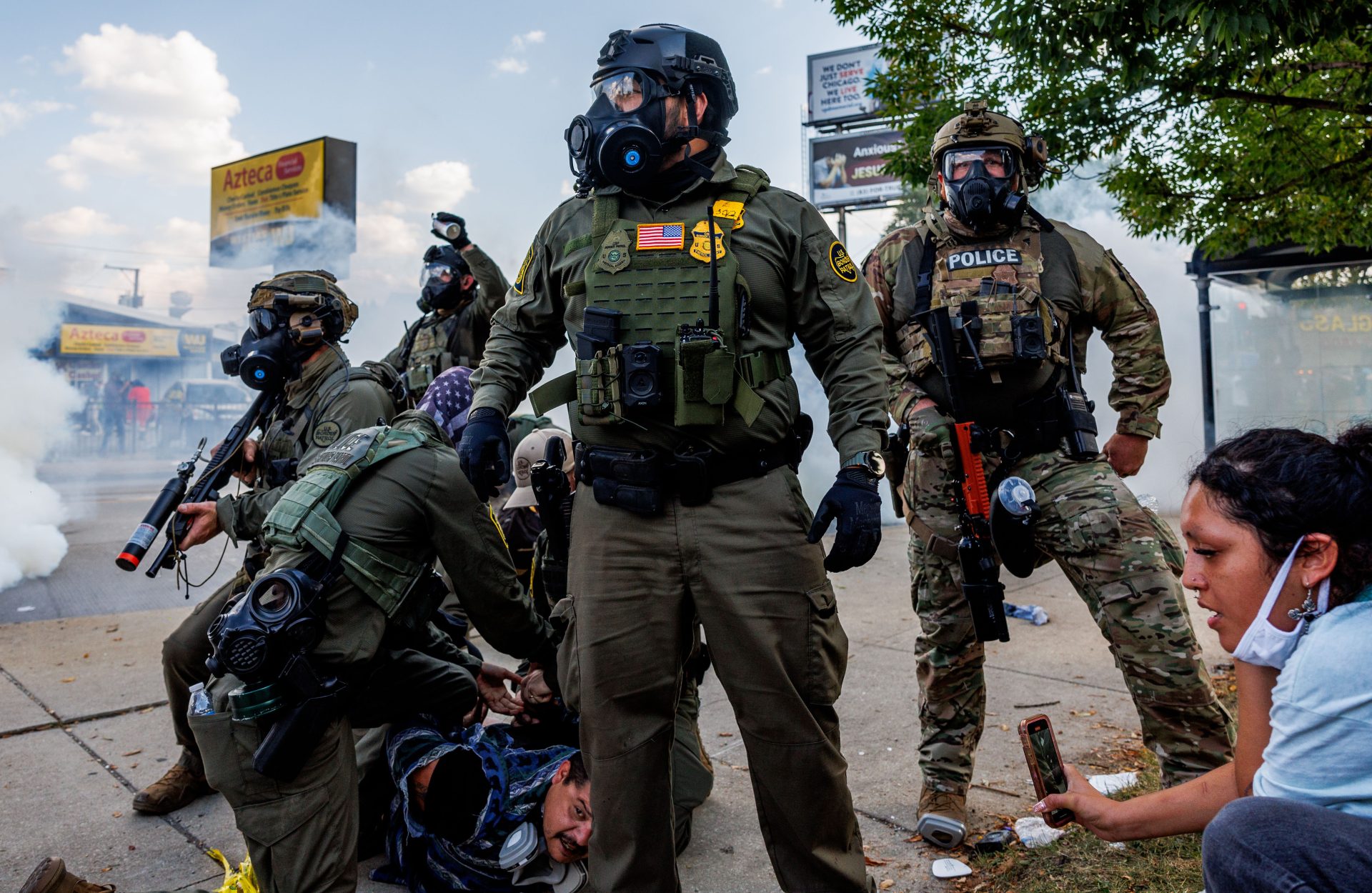
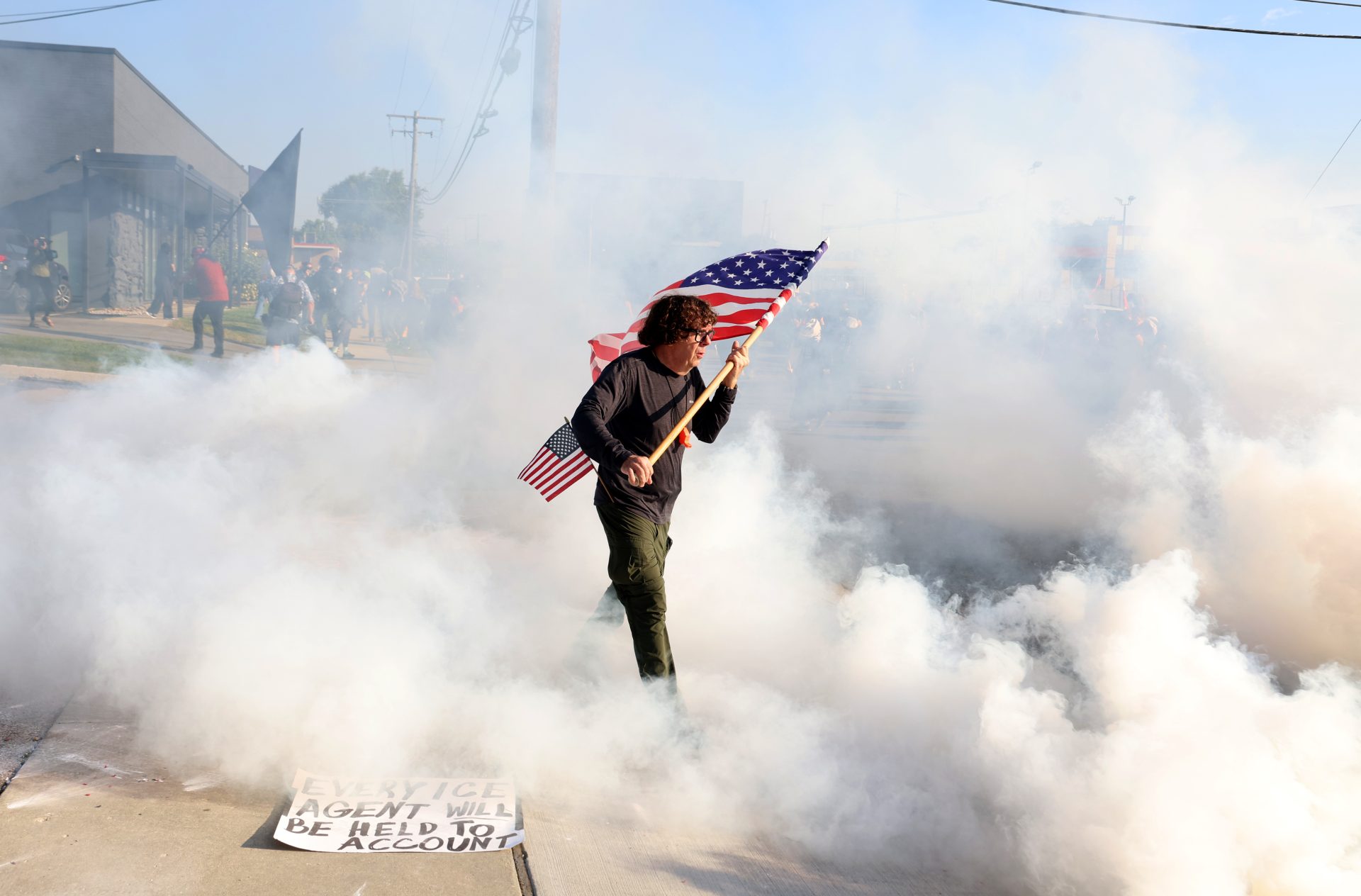
In 2025, the United States government unleashed a mass deportation mission in Chicago unlike anything any American city had witnessed in recent history. Federal agents, dressed as soldiers, stormed the city and suburbs for nine weeks, detaining 4,500 immigrants, shooting two people (one fatally) and arresting more than 100 U.S. citizens who protested. The government called the assignment Operation Midway Blitz.
The Chicago Tribune, from the start, recognized the performative, misleading and demonstrably false statements made by federal officials as they launched raids and stepped up arrests. We assembled a team to lead the coverage, focusing on providing context and truth to a moment that measured our nation’s humanity and adherence to the rule of law.
As federal agents began the stunning 64-day dragnet, the Chicago Tribune newsroom mobilized to produce authoritative daily coverage, deeply reported enterprise stories and hard-hitting investigative pieces that contextualized an unprecedented incursion later repeated in Minneapolis. The work was fast, informative and driven by facts.
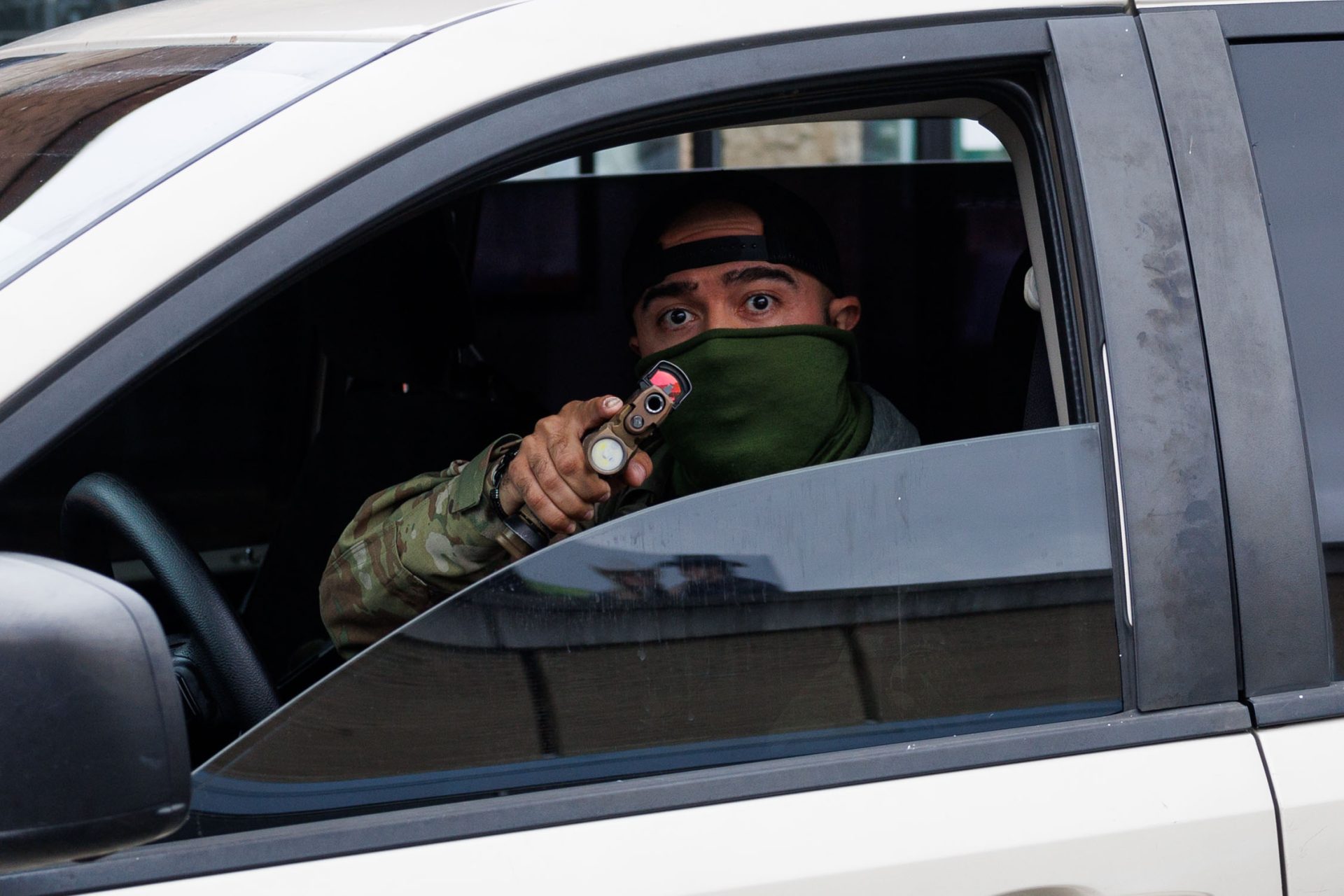
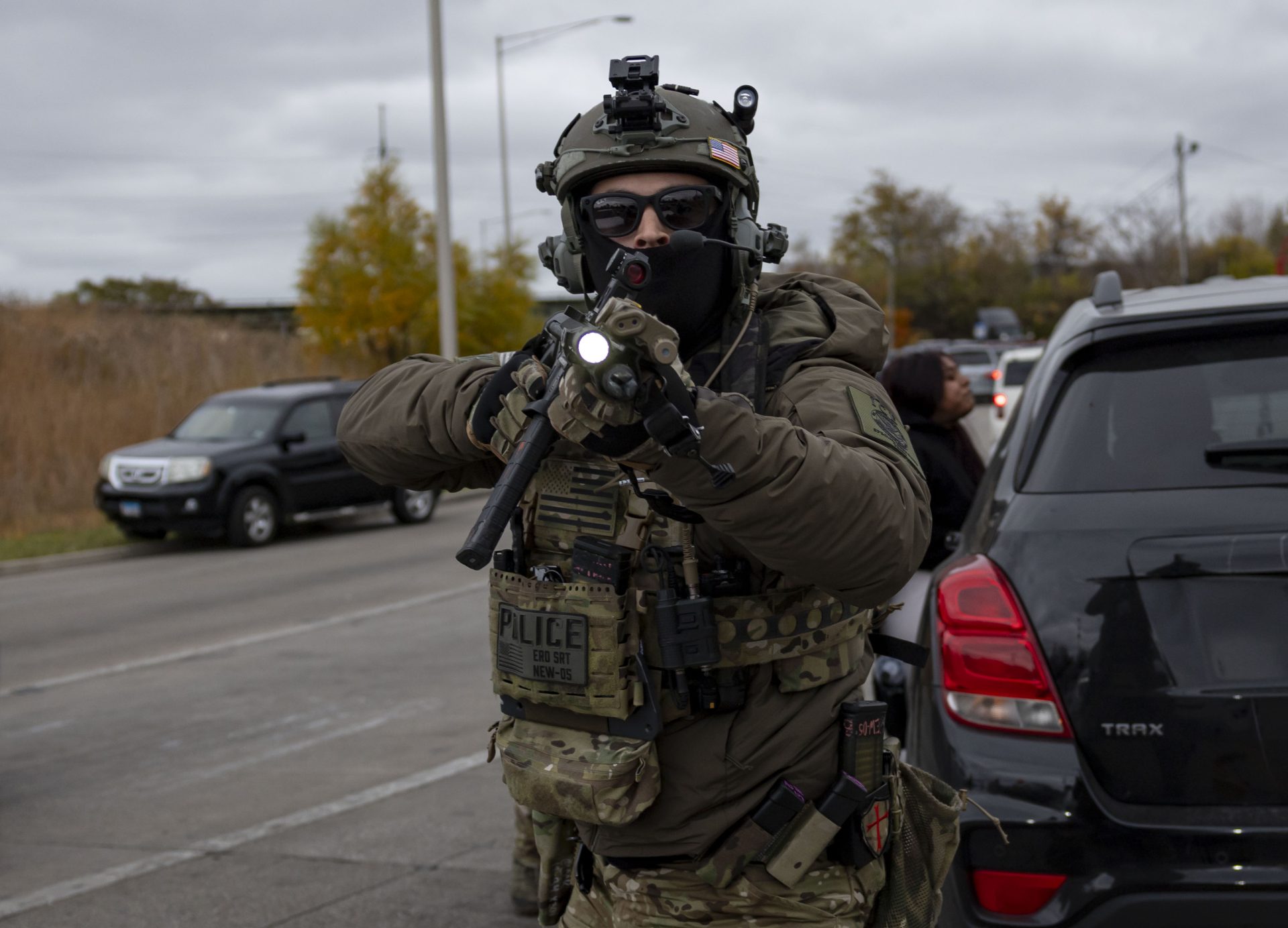
Our journalism exposed the racial profiling, warrantless raids and inhumane detention facilities endured by Chicago’s substantial immigrant community. We documented federal agents pointing guns at jeering bystanders and petitioned the courts to release critical records. We bore repeated witness to people, regardless of citizenship or legal status, being detained simply because of their skin color.
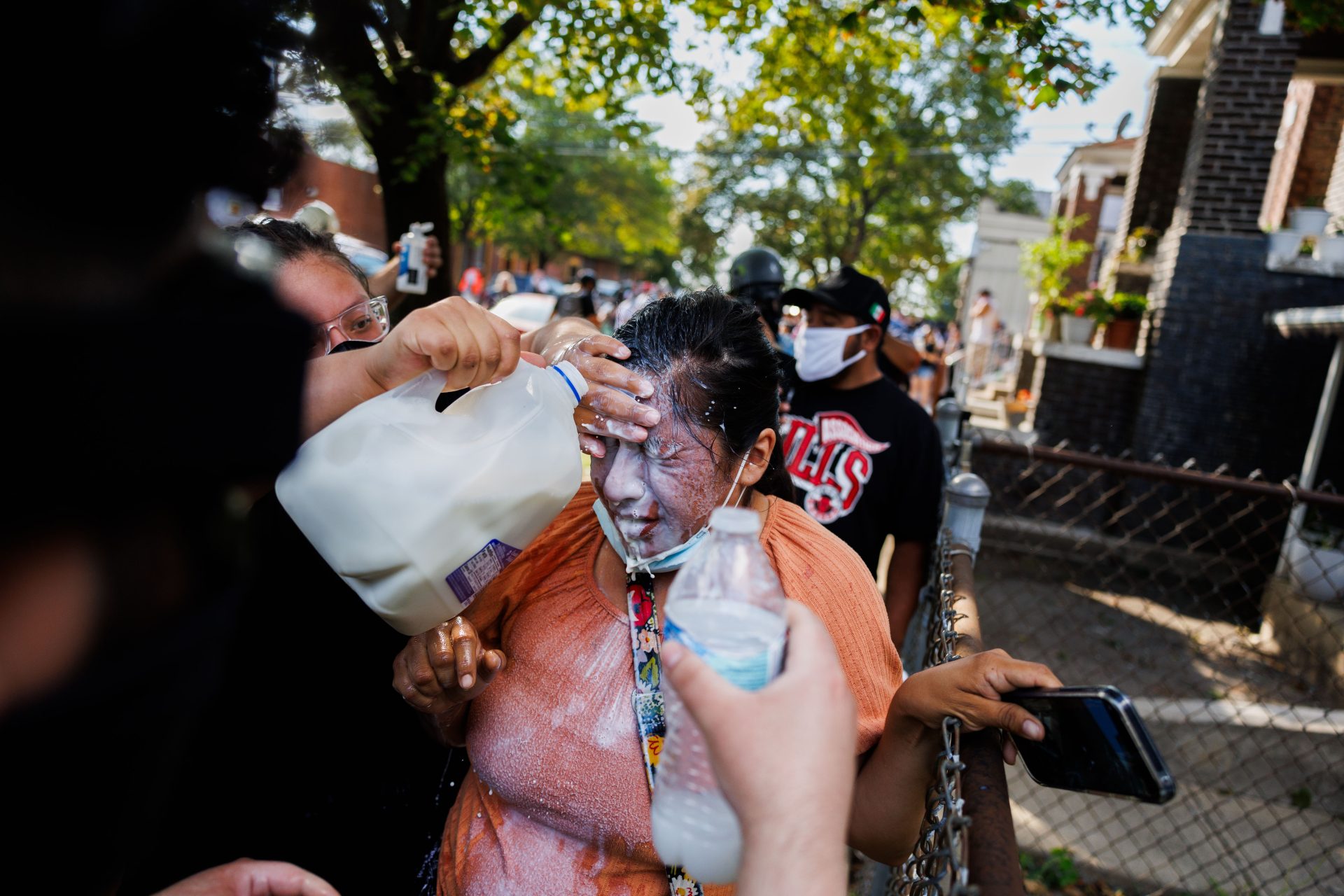
Our journalists’ commitment to the truth did not go unnoticed — or unpunished — by the federal government. Our reporters and photographers were tear-gassed on several occasions. Agents shot rubber bullets and pointed semiautomatic weapons at them while they were working.
For two of our reporters, Gregory Royal Pratt and Laura Rodríguez Presa, the effort came at great personal risk. The journalists — both Latino — were directly targeted by the federal government for their reporting and regularly disparaged on social media by high-ranking members of the Trump administration, leading to doxxing and death threats from the president’s supporters.
The attacks against our journalists were meant to intimidate, to stop our reporters from investigating a critical issue and to prevent them from holding the government to account.
It didn’t work.
Tribune published more than 300 stories and 200 photographs during the blitz, with the government obstructing our reporting efforts on a near daily basis. To obtain information, our journalists filed more than six dozen public records requests, interviewed hundreds of people and successfully petitioned a federal court to release key recordings and documents.