
Soon after President Trump took office the second time, his administration made clear immigration enforcement was heading for communities served by The Boston Globe. “I’m coming to Boston,” said Tom Homan, the president’s border czar. “I’m bringing hell with me.”
Far from the northern and southern borders, no one here knew what to expect. Our newspaper prepared for a massive operation. Instead, we began learning of secret arrests. ICE agents showed up at homes, outside schools, in Home Depot parking lots. Videos of immigrants being seized appeared on social media while advocates reached out to connect us to families who’d seen a loved one arrested. Agents shattered car windows to detain people, including some who weren’t the intended targets. Terrified children were used to lure their parents out of homes. Within a few months of Homan’s vow, a record number of immigration arrests had been made in the Boston region.
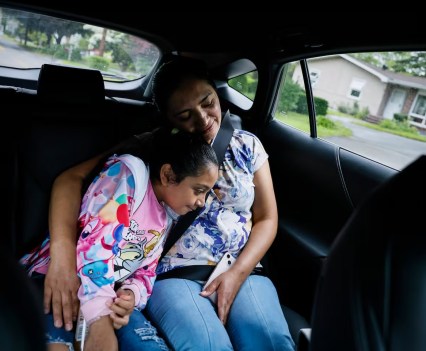
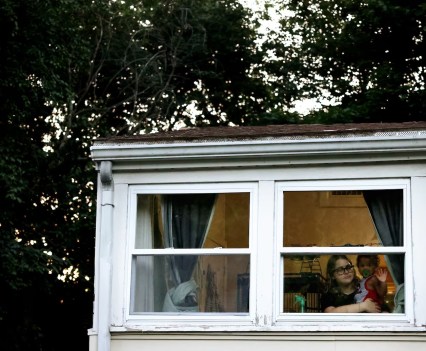
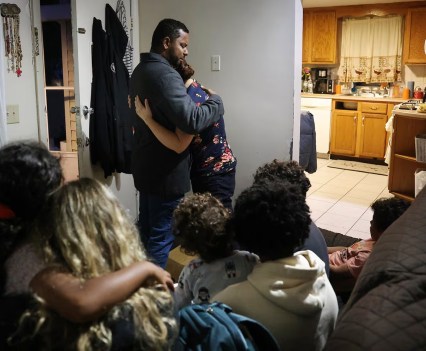
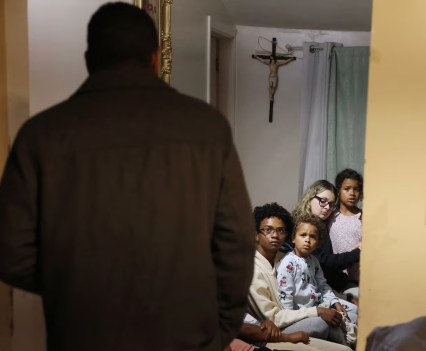
To chronicle the moment, Globe reporters and photographers spent seven days spread out over Greater Boston. We produced a nuanced, textured project under a tight deadline that captured a diversity of experiences that we called “Seven Days of ICE.”
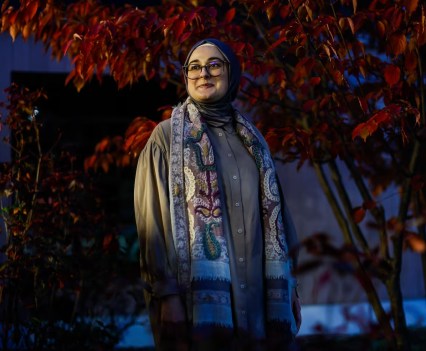
In another project, the Globe examined the story of a Turkish grad student at Tufts named Rümeysa Öztürk. After a video of her arrest went viral, she became the worldwide face of the Trump administration crackdown on international students who’d been involved in pro-Palestinian advocacy. “The Education of Rümeysa Öztürk,” a two-part narrative about what happened, with reporting from Massachusetts, Vermont, Louisiana, and Turkey, offers the fullest account of Öztürk’s detention and release.
The Globe told the stories of many. The work documented enhanced and sustained enforcement. We used public records including detention data and flight records to show the administration had built out a deportation infrastructure here that detained more people, and whisked them further away, and more quickly, than ever before.
A federal judge in Boston, in a striking October ruling, found the government violated the free speech rights of international students who were singled out for deportation. The case centered largely on the arrest of Öztürk. The judge’s ruling affirmed Globe reporting that the government recognized it had no evidence Öztürk was involved in anti-semitic behavior or supported terrorist organizations, even while it had arrested her without warning and branded her a national security threat.
Other judges made similar claims of intrusion, including that the government violated a court order when it deported a Babson student who was traveling home to see her family on Thanksgiving. The decisions followed Globe reporting that examined not only the enforcement tactics that came under the administration’s deportation agenda, but also the illegalities of them, all the while showing the underlying emotional toll they took on families and their neighbors.