The Network is a masterfully produced, deeply reported series that uncovers a largely hidden history of how women across Latin America discovered, developed and shared methods for safe self-managed abortion — and traces how that network now shapes abortion access in the United States. Judges were struck by the extraordinary breadth of sourcing and characters, and praised the immersive, medium-native audio storytelling that weaves together history, medicine, law and deeply human experiences across countries.
When the U.S. Supreme Court overturned Roe v. Wade in 2022, many abortion rights supporters feared that American women would resort to dangerous methods to end their pregnancies, just as women did before Roe. But a subset of abortion rights supporters remained calm, even energized. These people had already been getting women access to safe and effective abortions without a doctor’s oversight. They used a method developed decades ago, thousands of miles away.
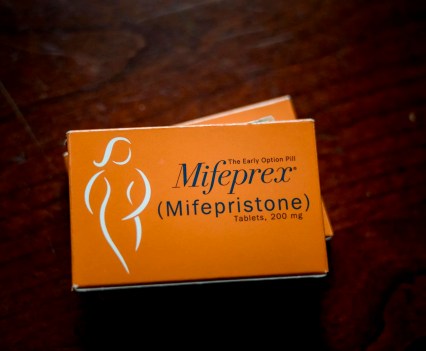
In “The Network,” a three-part podcast series produced by NPR’s Embedded and Latino USA, hosts Victoria Estrada and Marta Martinez chart the global, loosely connected network of activists, supporters, and everyday women across the Americas who’ve transformed and expanded abortion access — thanks to a pill that was never intended to be used for abortions.
The series shows how activists in both Latin America and the U.S. challenged the medical establishment by developing support systems that many prefer to clinical care and which research shows to be just as safe. Through intimate storytelling, “The Network” raises provocative questions about whether legality and medical safety are always tied together.
Our team’s investigation was extensive, taking more than two years and expanding across five countries to piece together a nearly 50-year-long underground history that can’t be found in one source: we interviewed nearly 100 activists, doctors, midwives, academics, and women who self-managed their abortions. As far as we can tell, we’re the first journalists who have documented a case of a woman who had an abortion in Brazil before and after misoprostol became available, and how the drug made a big difference. We also unveiled data that had never been shared before on how widespread the use of misoprostol already was in the mid-1990s across Latin America and the U.S. and DIY manuals underground women’s groups created to show others how to use misoprostol.