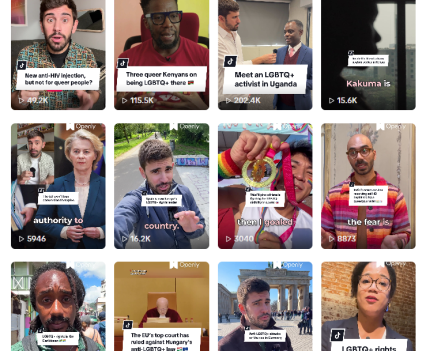
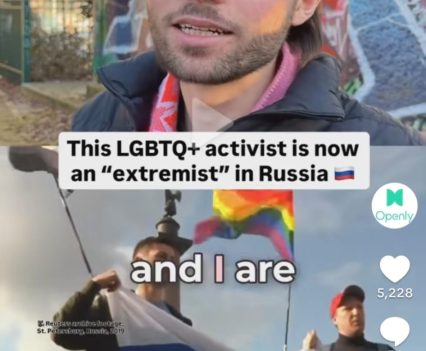
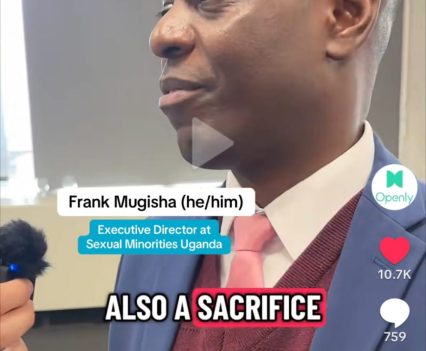
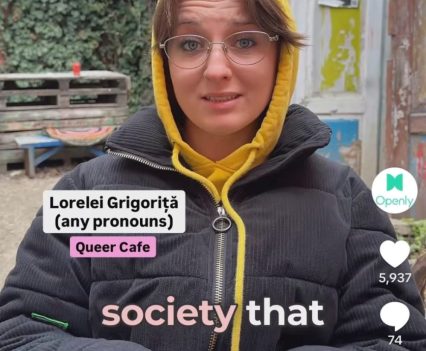
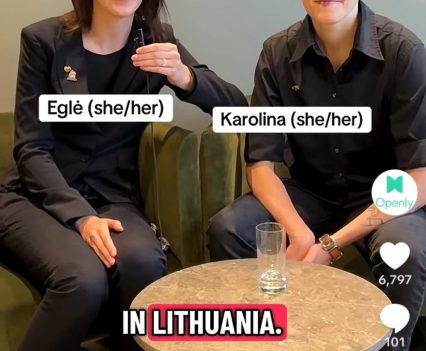
In many parts of the world, the coverage of queer rights can be compared to a news desert. Openly is trying to change that and bring queer stories to young audiences around the world. By focusing on original, underreported LGBTQ+ stories from Russia and the Philippines to Uganda and Moldova, we have been able to diversify the global coverage of queer topics – which tends to focus on American and British topics – while still helping viewers connect the dots between the different local struggles. From the impact of Donald Trump’s aid cuts on trans people in Manila to the spread of Kremlin-inspired propaganda laws around the world, our social-first work has helped young people understand that the attack on the rights of sexual and gender minorities is increasingly a cross-border issue.
Moreover, at a time when more and more people are turning to vertical video platforms like TikTok as a source of news and information, we have been able to build an engaged online community around our social video coverage – combining audience-centric, creator-style storytelling with Reuters’ strict journalistic standards – in a way that stands out in a queer media ecosystem dominated by text-based journalism and repurposed agency video with little-to-no original reporting on the ground.
All this despite the growing challenges of reporting on queer topics. In the past few years, the rights of LGBTQ+ people have been increasingly targeted for political gain, and rolled back in places like the United States, Russia and Senegal. As a result, online visibility has become a double-edged sword for LGBTQ+ individuals and communities around the world who want to tell their stories, but fear being targeted for speaking out. Audiences rightly demand more representation in the news and more diverse coverage, but being visible does not come with equal risks for everyone. Yet despite this, we have been able to work with the communities most at risk to find ways to tell their stories without compromising their safety.