Boyle Heights Beat began in 2010 as a journalism program for students in neighborhoods across LA’s Eastside, a predominantly Latino community of immigrants and mixed-status families. High schoolers learned reporting skills that allowed them to tell stories of their community and the issues affecting residents. Over time, the publication earned trust by remaining community-centered and responding to residents’ needs, providing information and resources on everything from civic engagement to immigration and local services. The newsroom significantly grew its audience when it added professional reporters in 2024, including editor Jessica Perez, who had grown up in the neighborhood.
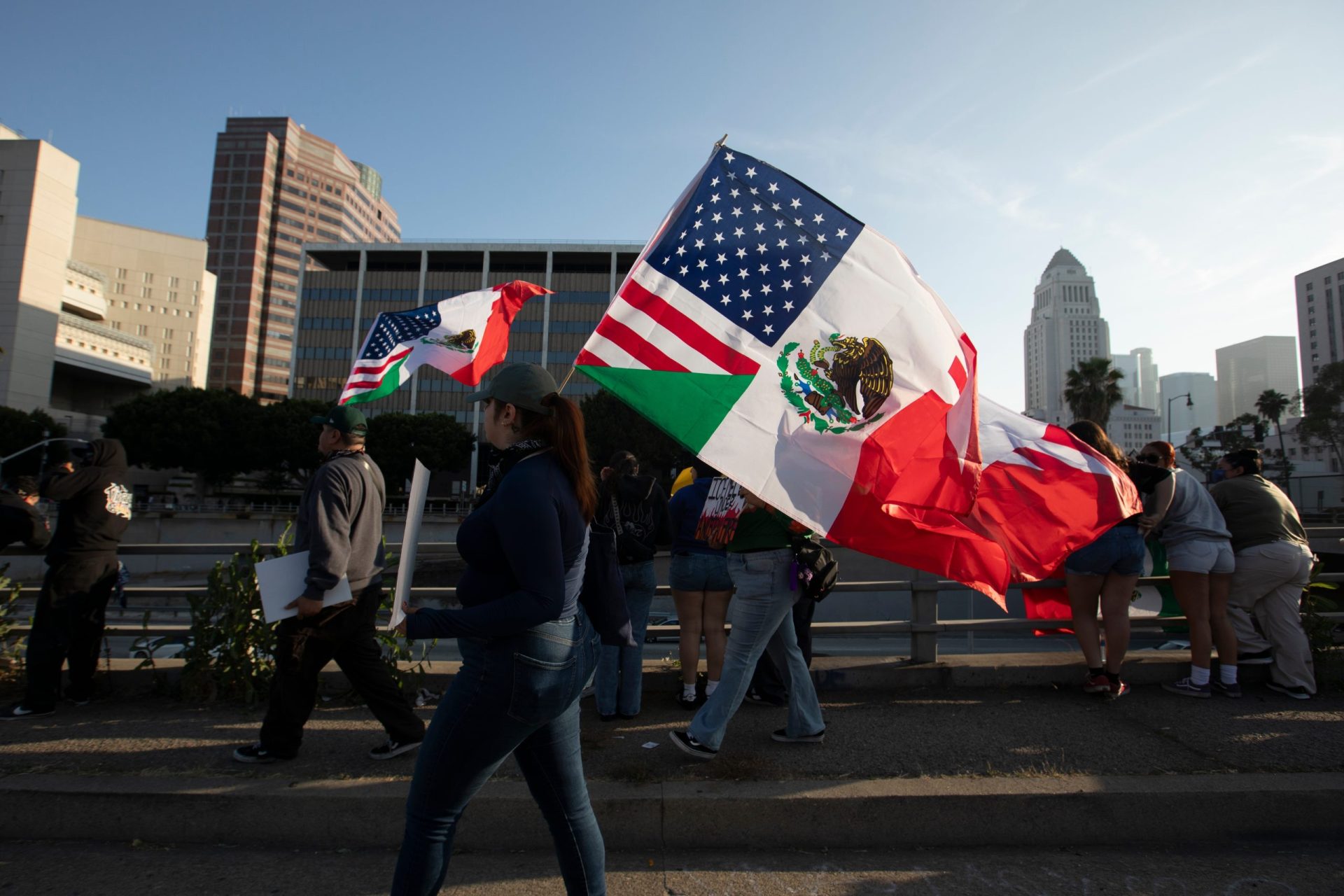
When the Trump administration launched its deportation operations in early 2025, Boyle Heights was affected immediately and repeatedly, disrupting schools, workplaces, businesses and daily life.
Our coverage began before the crisis peaked in June. When high school students walked out of class in February to protest the administration’s immigration policies, our youth reporters were in those classrooms. We documented the reactivation of a dormant rapid response network and highlighted a crowdsourced ICE mapping tool months before immigration raids made national headlines. That early presence established us as the trusted neighborhood source before the surge intensified.
When residents believed they spotted federal agents at the local metro station, they came to our office in person to report it and show us their pictures. We investigated, found TSA employees rather than ICE, and published an accurate story as rumors flew.
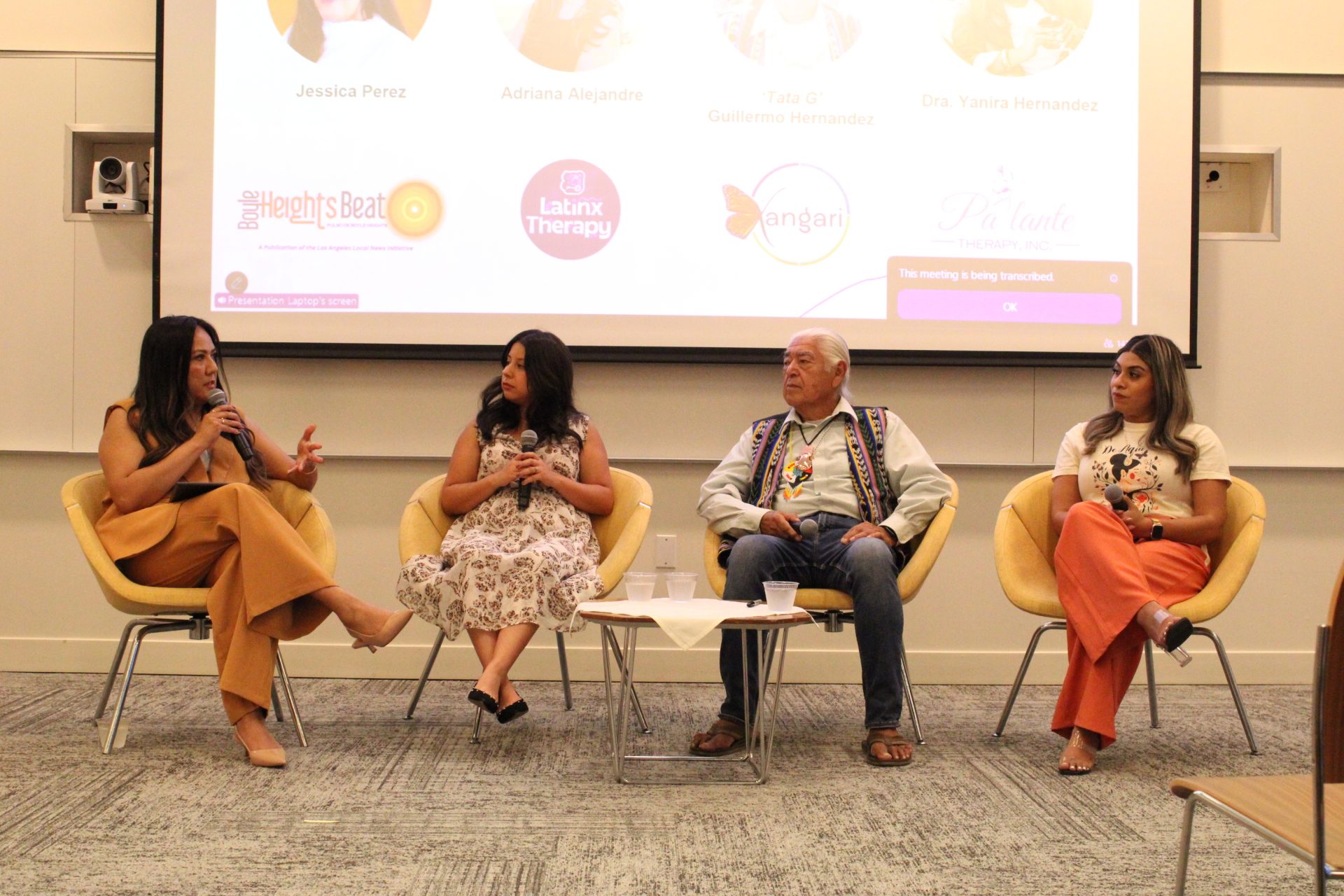
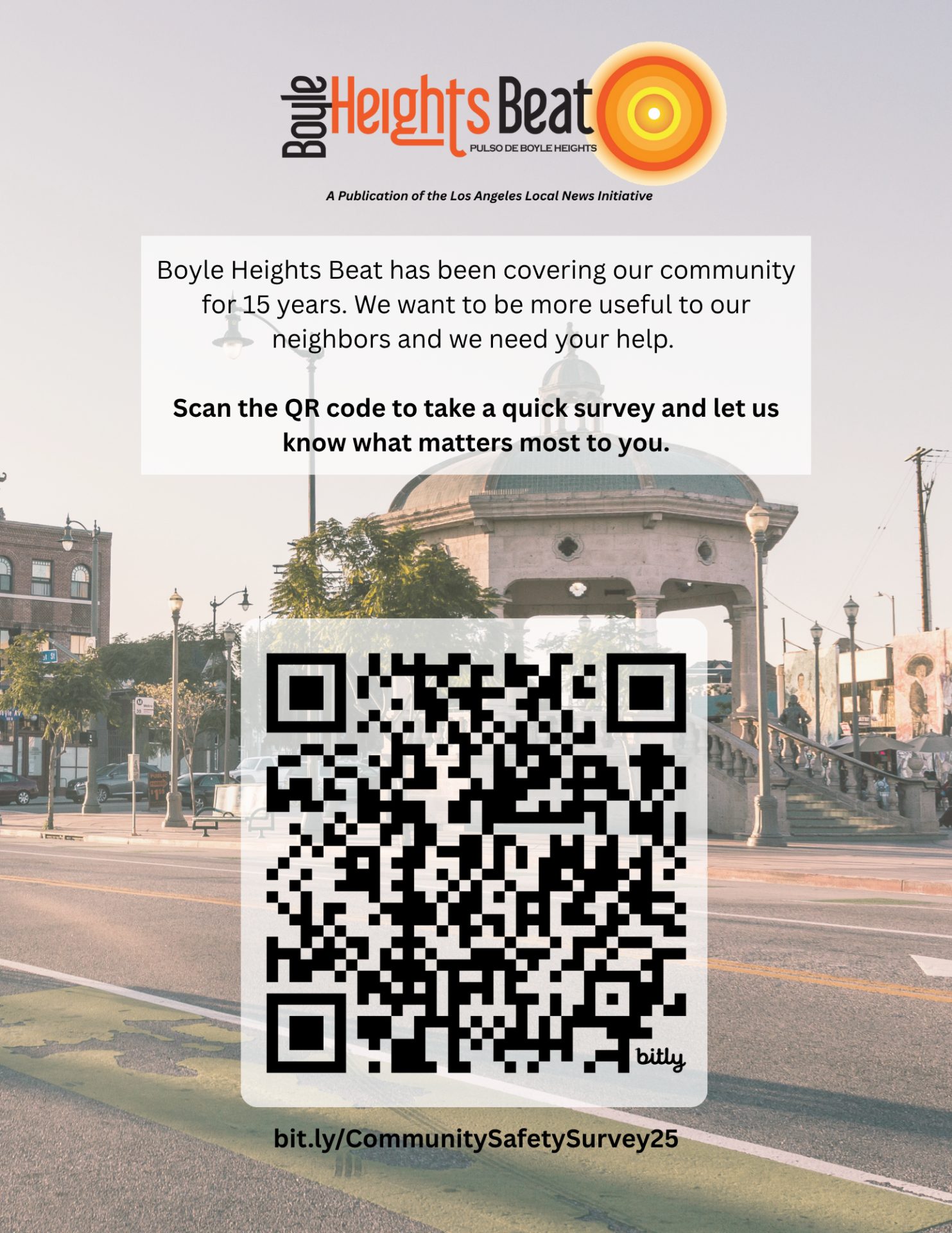
Community needs shaped all of our coverage. In July, we surveyed hundreds of residents about their concerns. The top issue was ICE enforcement; the most requested resource was mental health support. Those results became editorial directives. We published bilingual mental health resource guides, organized a virtual and in-person community panel with mental health professionals and cultural healers, and distributed a printed guide throughout the neighborhood. When we heard local businesses were struggling, we canvassed more than a dozen restaurants and found that several had lost more than half their revenue. That story drew the attention of Sen. Alex Padilla, who visited one featured restaurant and amplified our coverage.
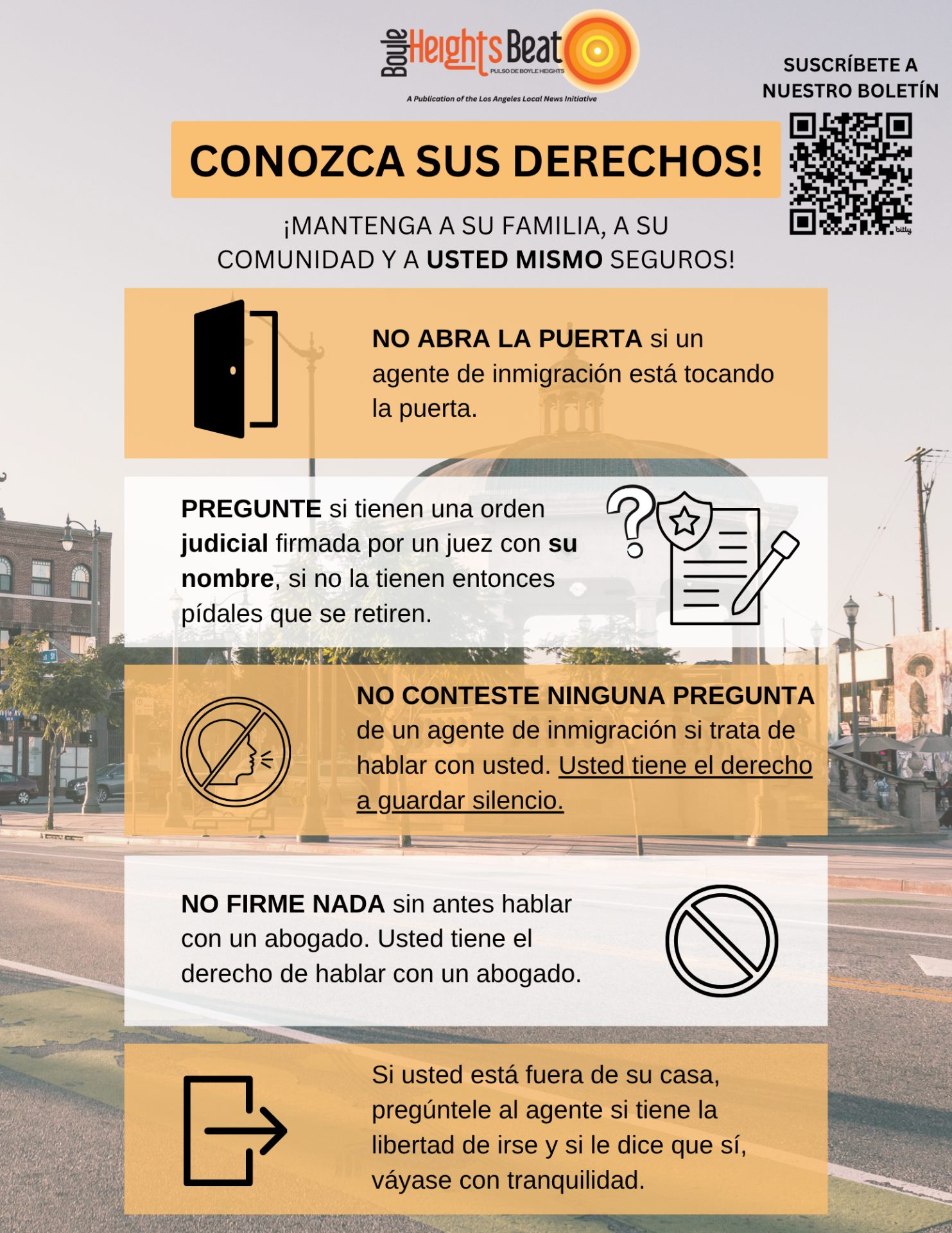
We incorporated bilingual materials across our website, printed Know Your Rights fliers and distributed them through our Documenters network and local businesses, and held office hours at a neighborhood coffee shop to hear directly from residents.
The impact was measurable. After our reporting elevated student voices demanding more immigration resources, LAUSD earmarked $5 million for Dream Centers — support hubs for undocumented students — in its budget. When we reported that Boyle Heights would have no voting centers for a November special election, county officials responded within days and opened accessible polling locations in the neighborhood. Traffic to our site grew 162% in 2025, a sign that our reporting was meeting real community needs. The House Oversight Committee also cited our coverage in its immigration enforcement tracker.
The coverage equipped community members to take action — joining rapid response groups, organizing grocery delivery support, or creating neighborhood run clubs to track ICE activity.