
The first lead arrived in January 2023, bringing with it two certainties: this would be an extraordinarily difficult investigation with no guarantee of publication, and it was a story that had to be pursued. It involved allegations of sexual abuse and labor exploitation linked to one of the world’s most famous entertainers: Julio Iglesias.
The exclusive investigation by elDiario.es, later joined by Univision Noticias, took nearly three years to report and publish. The resulting cross-platform coverage — including written investigations, photography, video documentaries, and podcasts — generated major international impact and sparked conversations across Spain, Latin America, and the United States.
For decades, Iglesias cultivated a public image as a notorious womanizer, yet he had never before faced public allegations of this nature. The investigation goes beyond a celebrity exposé or a traditional #MeToo story. It examines how race, class, migration status, and economic vulnerability can leave women defenseless against immense wealth and power in countries such as the Dominican Republic and the Bahamas.
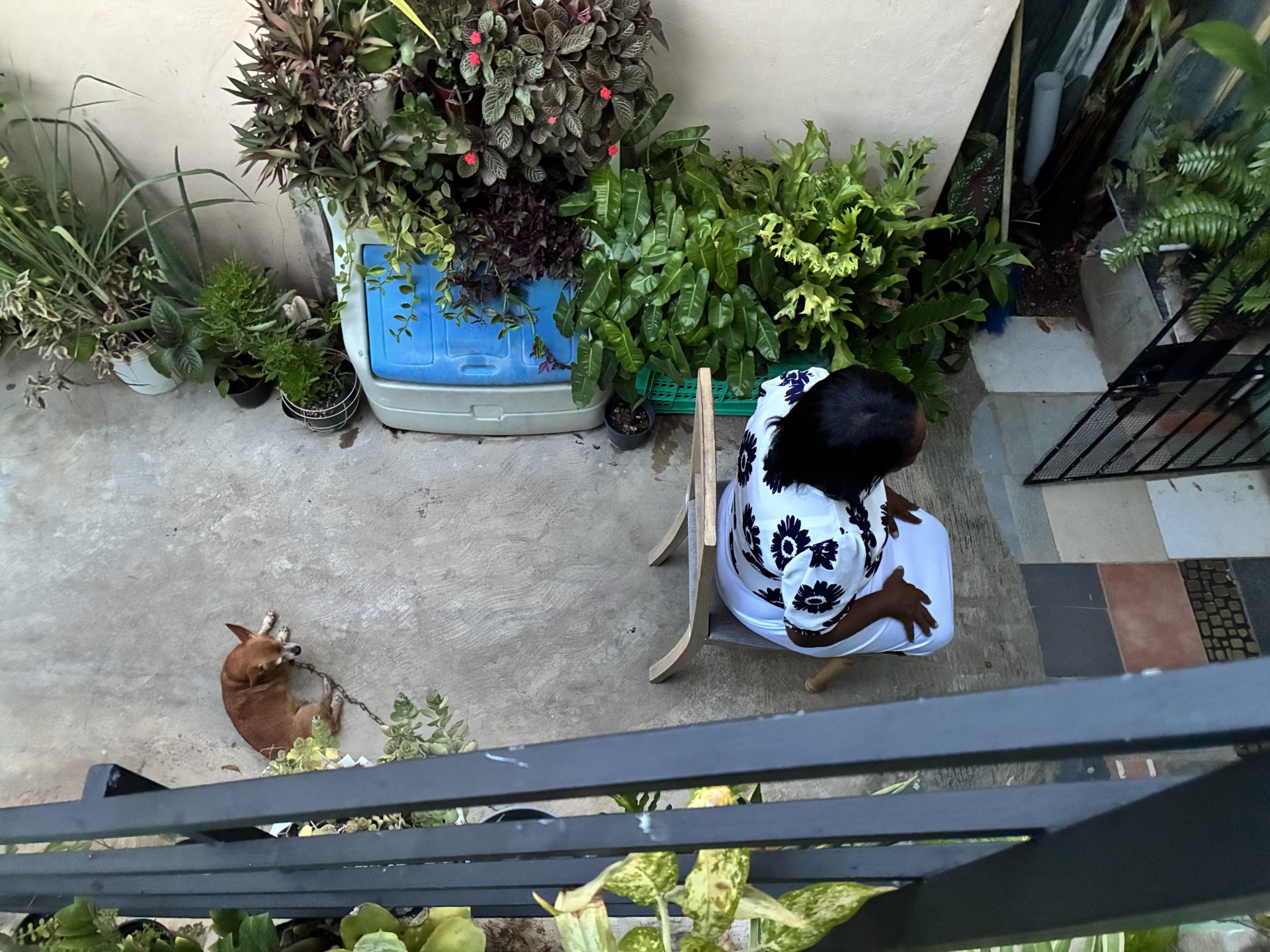
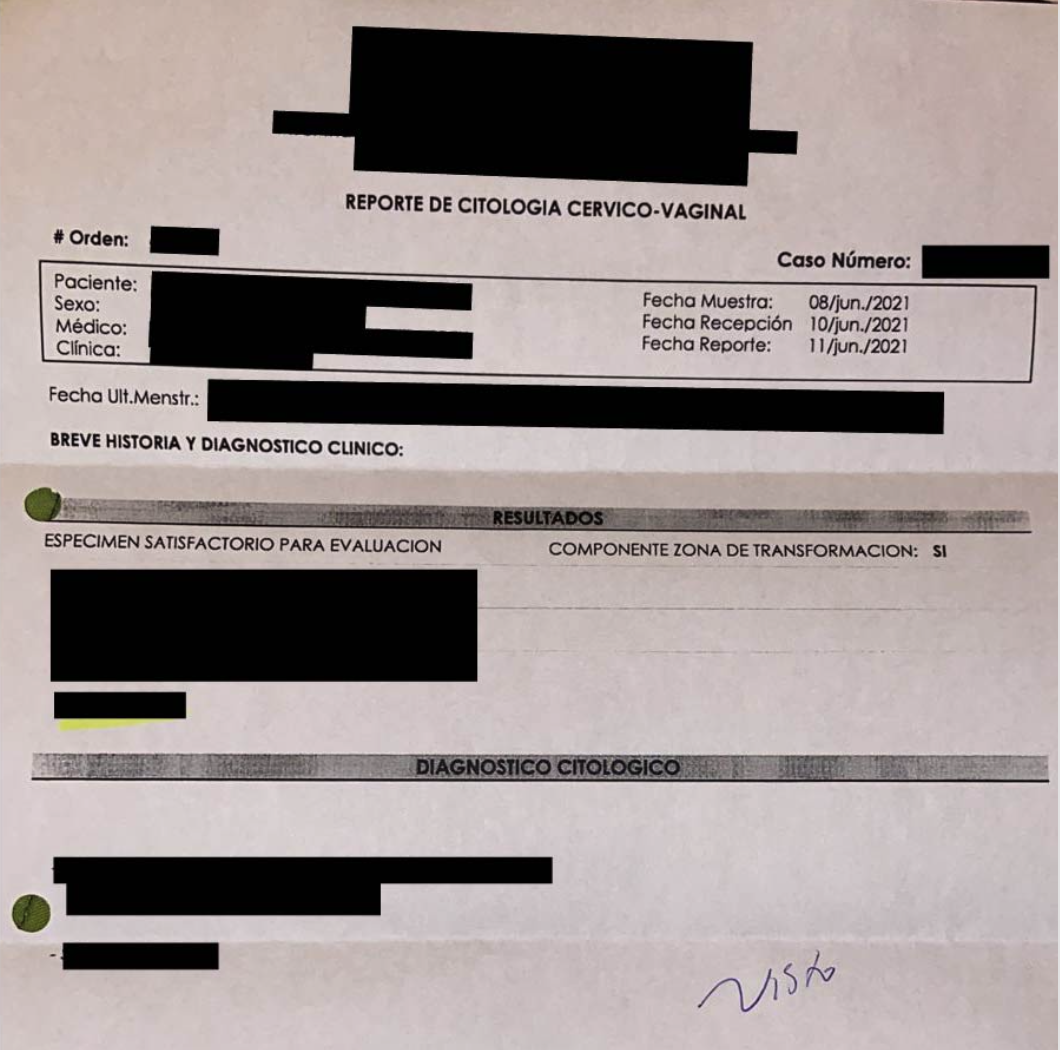
The testimonies of “Rebeca,” from the Dominican Republic, and “Laura,” from Venezuela — both hired by Iglesias in 2021 as live-in domestic workers — describe a regime of extreme control that they compared to slavery. Fourteen additional former employees portrayed a highly hierarchical and authoritarian environment in which female staff members were rarely allowed to leave the villas, form friendships, or speak freely with male workers. Women employees, unlike men, were allegedly subjected to sexually transmitted disease testing.
From the beginning, the investigative team — composed almost entirely of women journalists from Spain, Uruguay, Colombia, and Argentina — understood the risks of confronting someone as powerful as Iglesias. Media reports have stated that the singer is preparing a $200 million lawsuit, a threat that could endanger the survival of an independent newsroom like elDiario.es.
Protecting the victims was the central ethical priority throughout the reporting and production process. The first challenge was locating the women. The second was earning their trust. The third was finding a way to tell their stories publicly without exposing them to further harm.
The documentary’s storytelling approach was carefully designed to preserve the women’s safety and dignity. Pseudonyms were used, and visual and audio techniques concealed identities by obscuring faces and altering voices. The production sought to balance emotional truth with maximum protection for the survivors. In addition to the two women featured on camera, the reporting team interviewed and filmed three other former employees who described similar sexual abuse, although they ultimately chose not to appear in the final publication.
The result is an ambitious piece of investigative digital storytelling that combines rigorous journalism, visual sensitivity, and innovative narrative techniques to expose abuses hidden for decades behind celebrity, money, and silence.