“The State of Coca” is an investigation that documents how armed groups have consolidated territorial control in Putumayo (Colombia), one of the most biodiverse and violent regions of the Amazon, with homicide rates exceeding 50 per 100,000 inhabitants. It also covers peacebuilding strategies, drug policies, and the multilevel control of armed groups in Colombia.
Through dozens of interviews with indigenous leaders, farmers, and intelligence sources—all of whom requested anonymity due to the lethal risk—the investigation reveals the suffocating control exercised by the Comandos de la Frontera over a tri-border region in the Amazon (Colombia, Ecuador, and Peru). This armed group not only “taxes” drug trafficking and illegal mining but has also murdered buyers and sellers operating outside its control, including members of Los Choneros, an armed group from Ecuador.
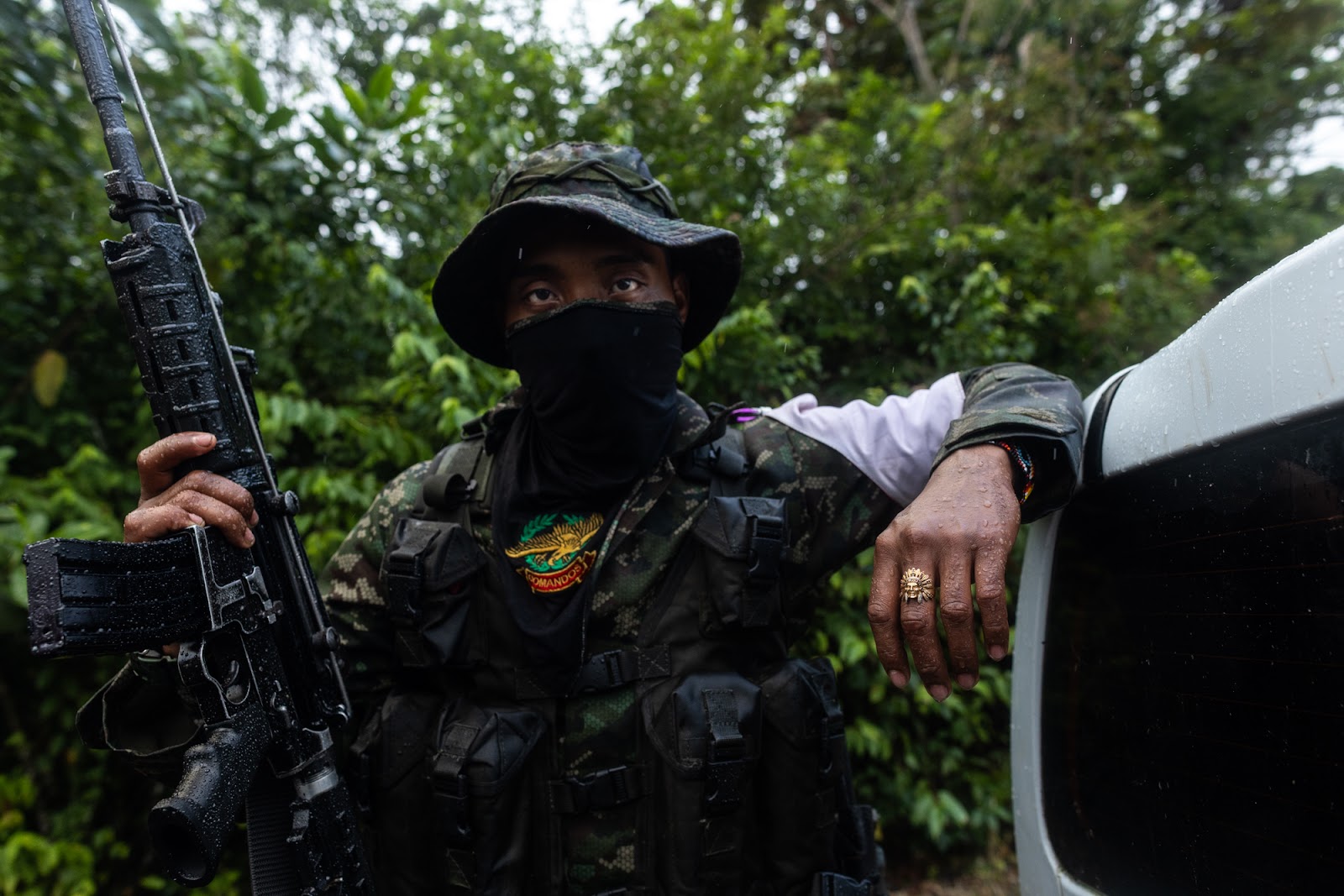
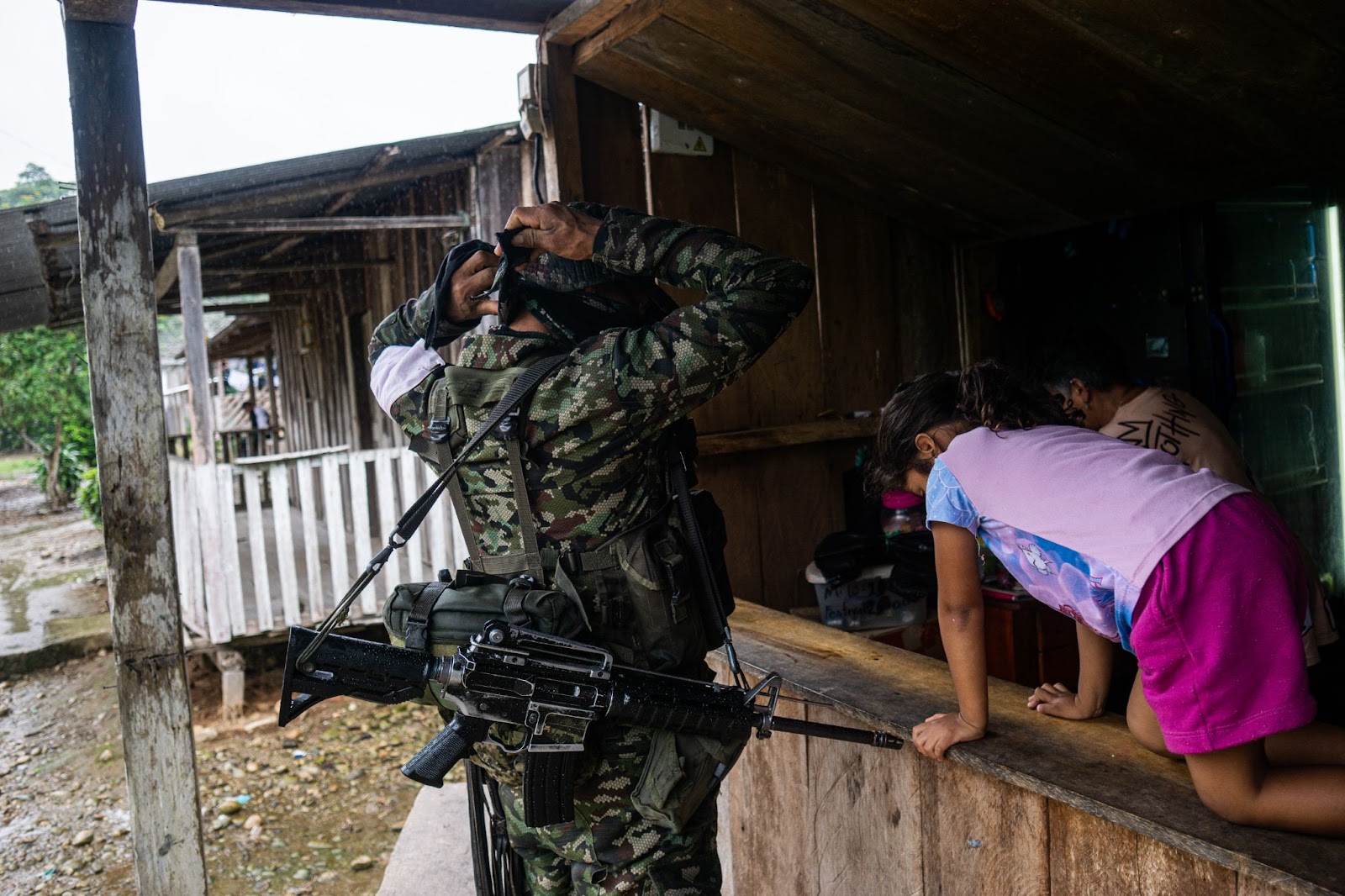
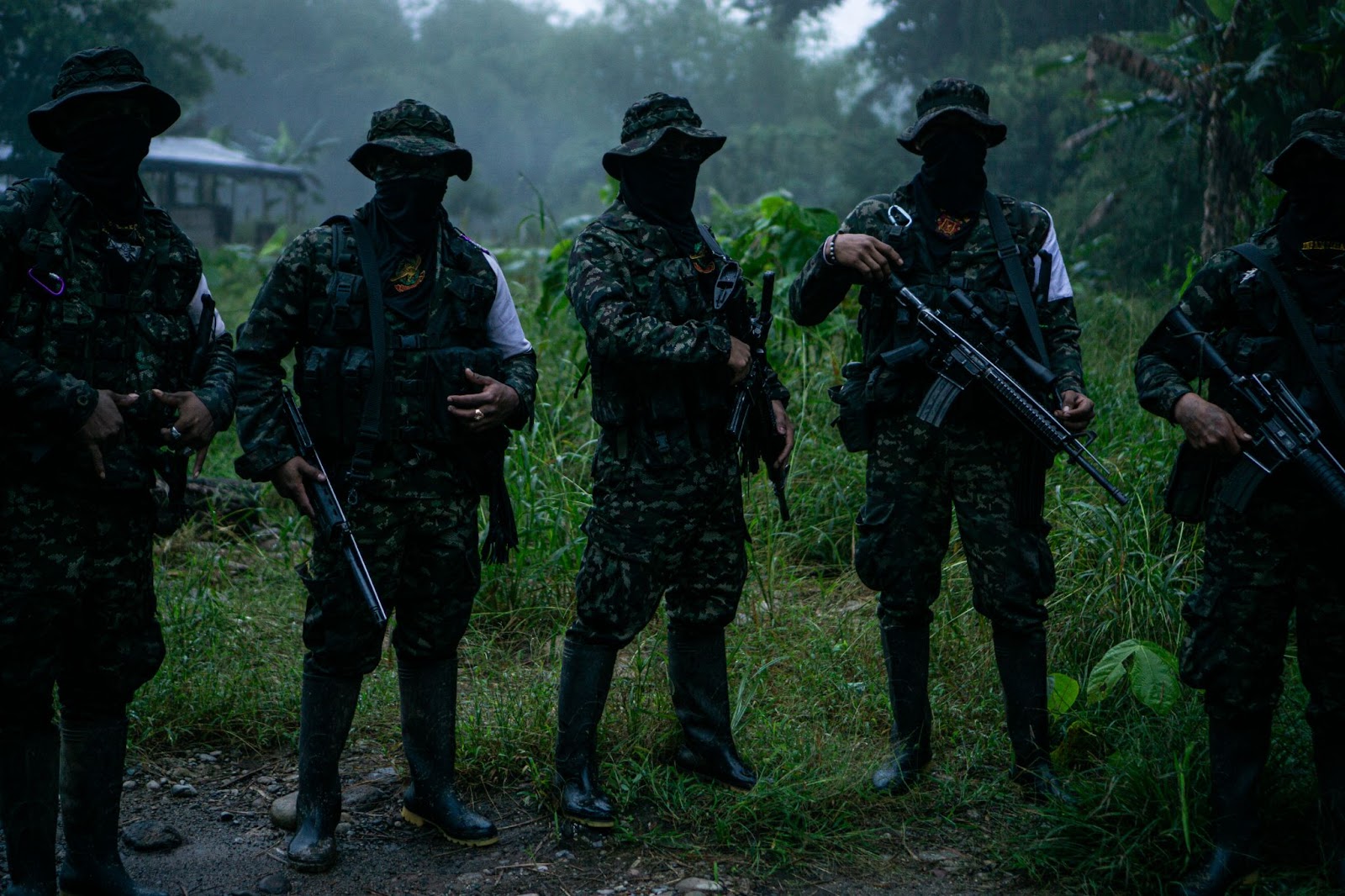
We understand that our access to key players in illicit economies is unique in journalism and essential to understanding the context. We spent four days with the Comandos de la Frontera themselves to chronicle their dominance in the jungle from the inside.
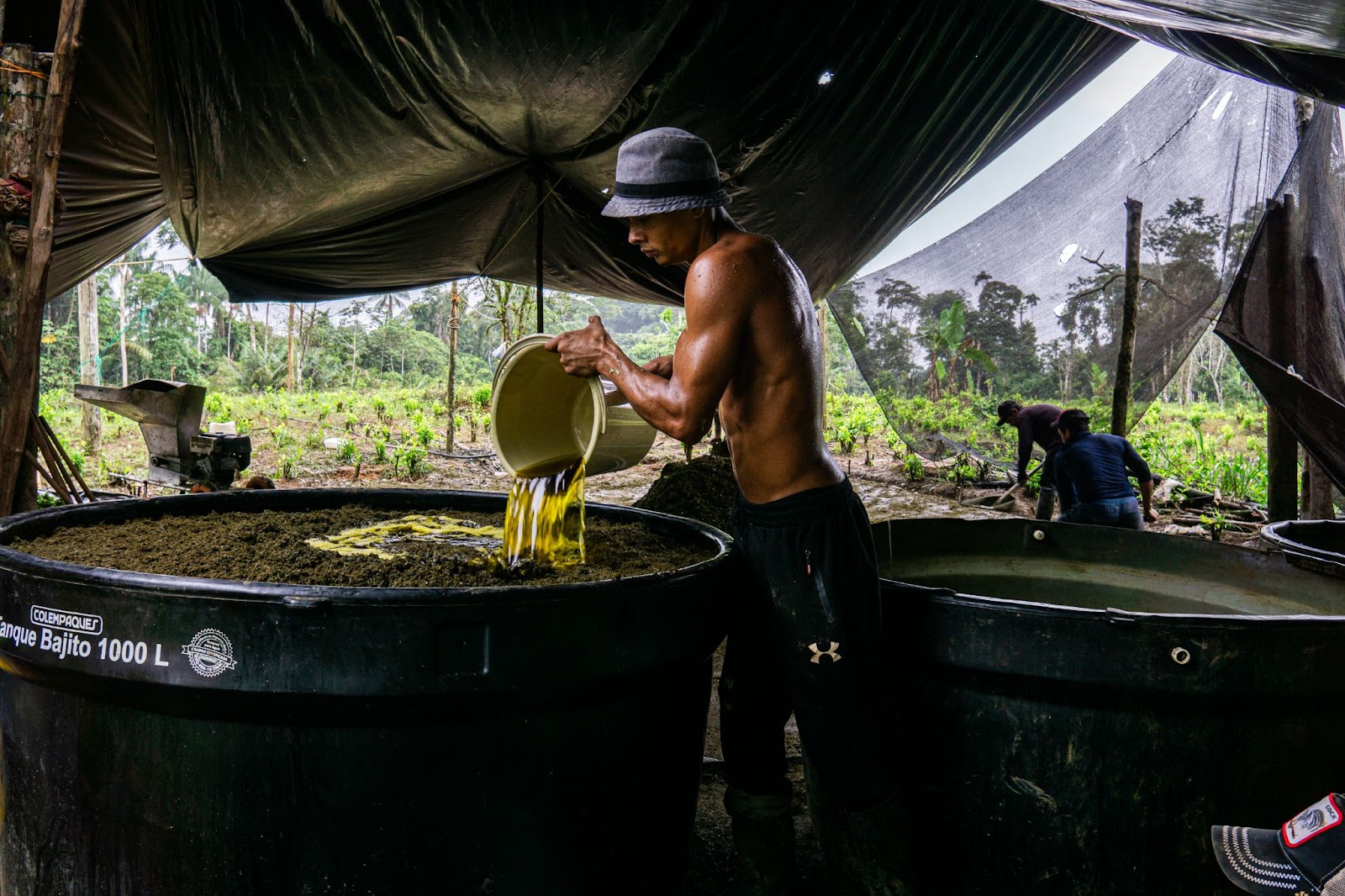
The report features exclusive photographs and videos of the armed group and coca processing labs, exposing the paradox of a region where the population depends on a cocaine economy controlled by armed groups, while the state has failed to develop comprehensive programs for state-building, access to healthcare, and public education.
For this investigation, we conducted six field trips to three countries, which allowed us to take a cross-border approach that incorporated multiple perspectives. The work combines on-the-ground reporting in high-risk areas, analysis of data on violence and illicit crops, review of official documents, and interviews with authorities, drug policy experts, and local organizations. The project contextualizes Putumayo within the transnational dynamics of drug trafficking and organized crime, showing how illegal economies intertwine with politics, local governance, and peace processes.
Furthermore, the report examines the social and environmental impact of coca cultivation expansion in indigenous territories and areas of high biodiversity, highlighting the tension between economic survival, armed violence, and environmental conservation. It also analyzes the limitations of crop substitution policies and state security strategies, emphasizing how institutional absence facilitates control by armed actors.
“The State of Coca” provides exceptional access to an active armed group, an in-depth look at the lives of communities caught between drug trafficking and state neglect, and previously unseen visual evidence of the cocaine economy in action. The project aims to contribute to the regional debate on drug policy, armed violence, and peacebuilding, and to offer the audience a rigorous and human understanding of one of the most complex and strategic territories in the Amazon.