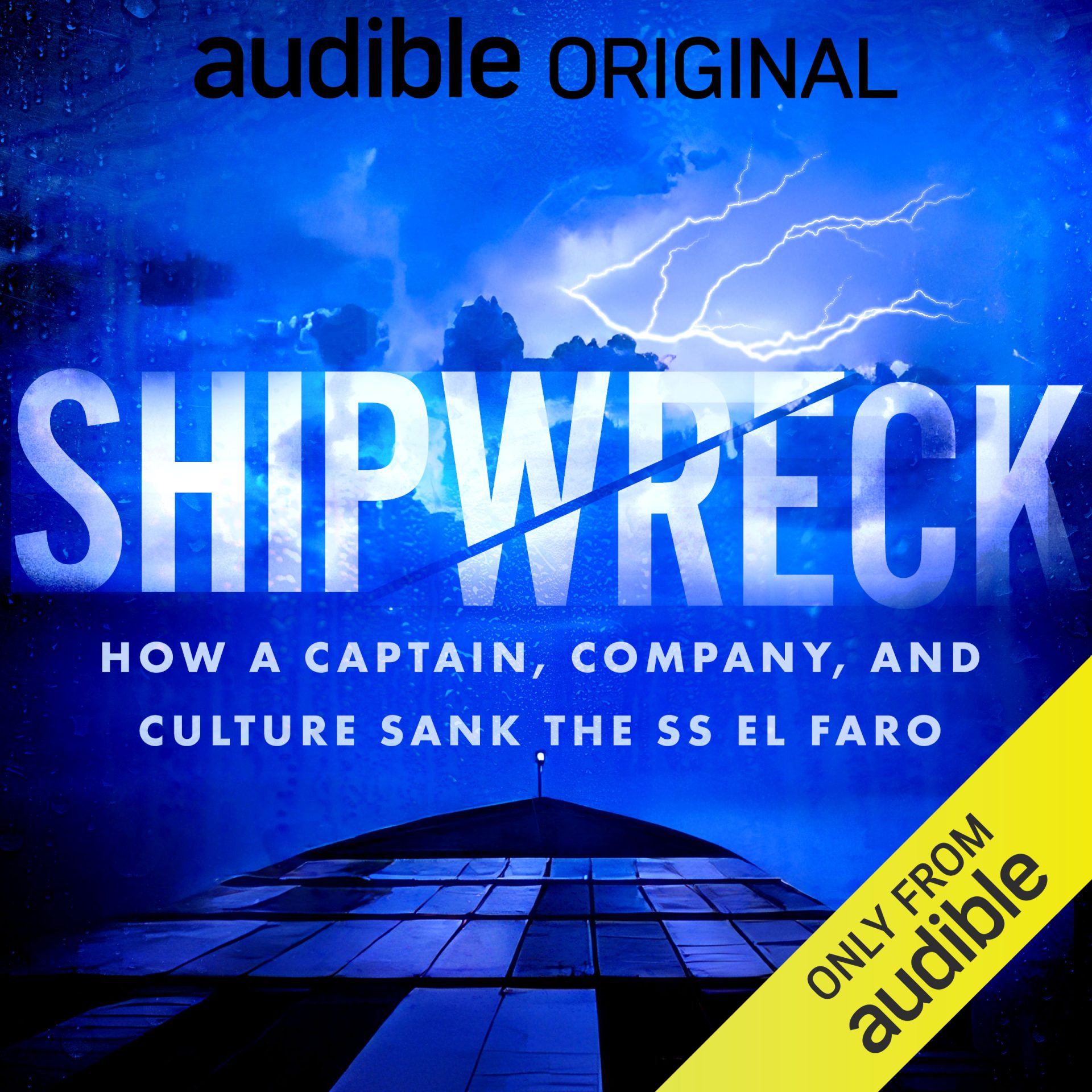
Shipwreck: How a Captain, Company, and Culture Sank the SS El Faro tells the story of a catastrophic decision by an American captain to sail into a hurricane and the crew members’ heroic but doomed efforts to save their ship. The lavishly produced ten-part series combines original reporting and interviews with re-creations of conversations on the El Faro’s bridge, captured by the ship’s black box in the hours before it sank.
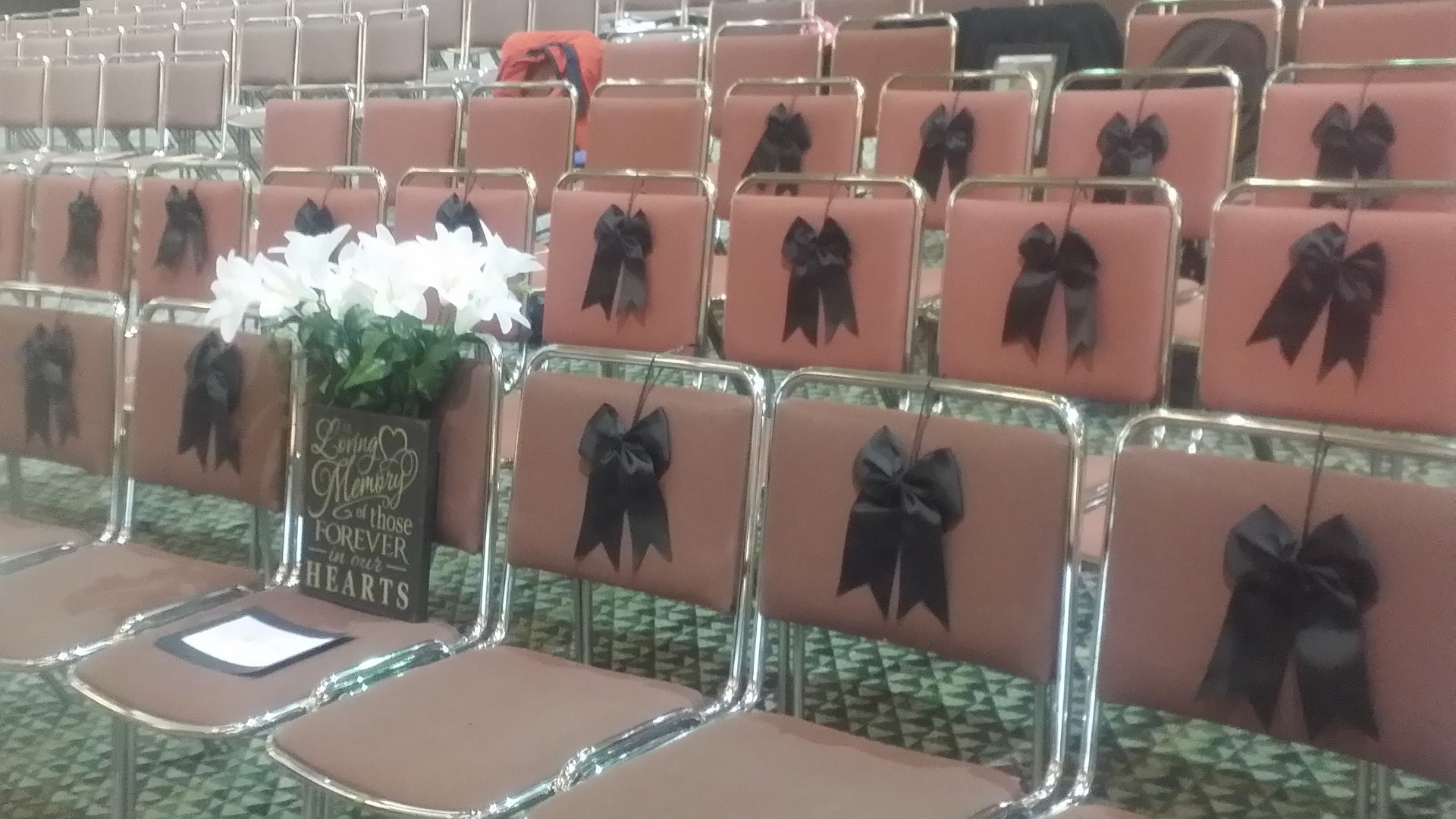
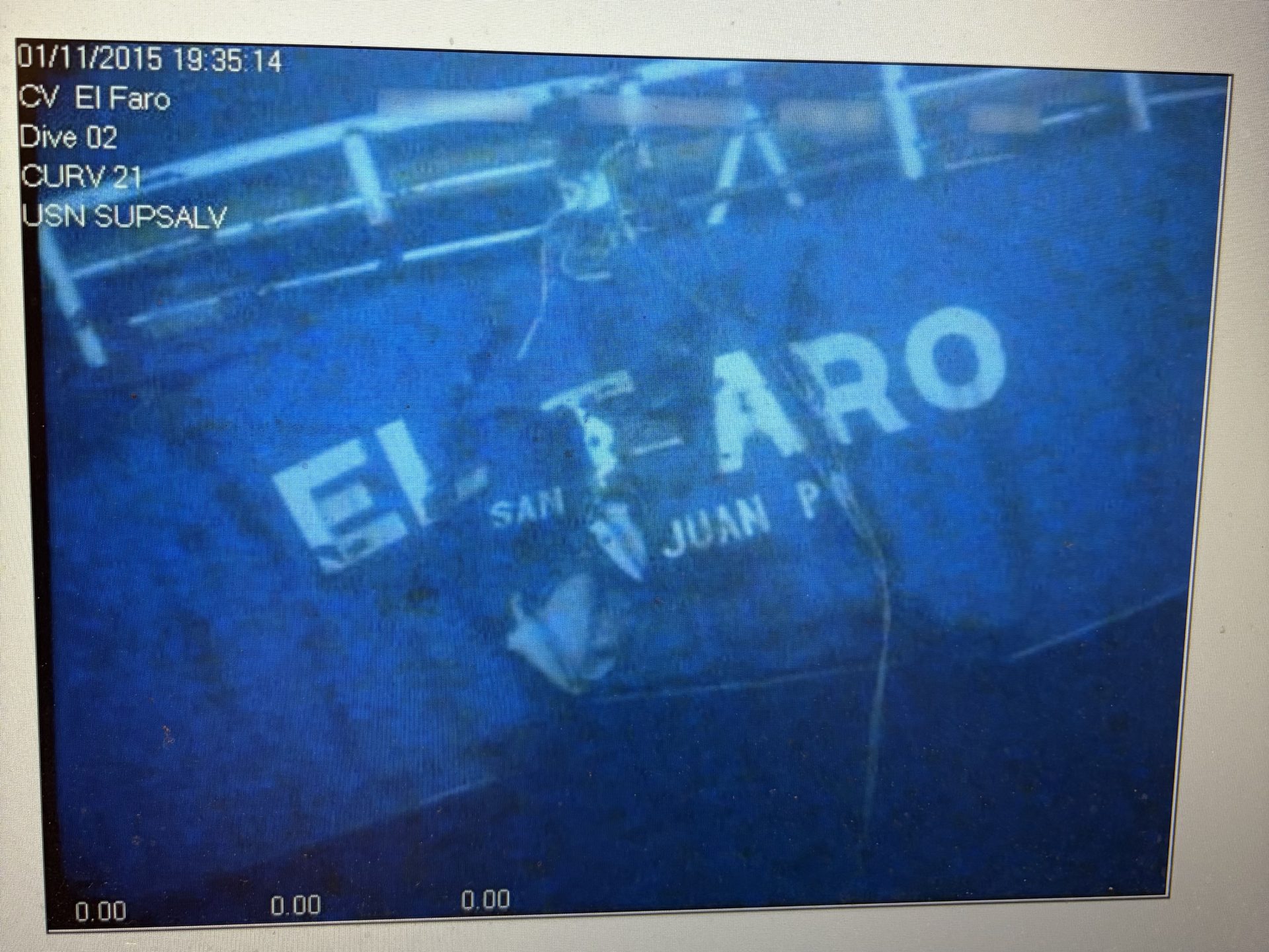
33 people died in the SS El Faro sinking off the Bahamas on October 1, 2015. Afterwards the Coast Guard and National Transportation Safety Board launched two of the biggest investigations in US history, but they still left questions unanswered. Using the techniques of narrative journalism, Shipwreck solves the mysteries of the sinking and puts the mistakes of the El Faro’s captain, its owner, and federal oversight entities in the context of longstanding industry-wide failures. The series draws on years of reporting – including more than 100 interviews with families of the lost crew, former crew members, federal investigators, members of Coast Guard rescue teams, and many experts.
Since the NTSB would not release the audio of the ship’s bridge recorded by the El Faro’s black box, Shipwreck incorporates moving readings by voice actors of excerpts from the transcript as a storytelling device. The series’ sound design and original music are spectacular.
Listeners called Shipwreck not just “an incredible investigation“ but also “phenomenal storytelling”, saying they “could not stop listening even though we know the end is tragic”.
As an independent journalist (previously an NPR senior editor) Maeve McGoran reported this story over 9 years – for many of those years in her free time while working other jobs. She produced it with Audible and production company Sugar23.
Shipwreck reveals that federal investigators of the sinking redacted allegations by the ship’s Second Mate that the El Faro’s captain had sexually harassed her, even though this could have made it harder for her to persuade him to change course away from the hurricane, and even though it was part of a larger pattern of sexual abuse within the American maritime industry. It reveals significant new meteorological evidence that the El Faro entered the hurricane’s eye before it sank, which would have given the crew a realistic chance of escape if the old ship had been equipped with modern enclosed lifeboats, but Coast Guard grandfathering policies allowed the shipowner not to provide them. Perhaps most notably, Shipwreck reveals that the Coast Guard publicly agreed to institute a dozen maritime safety reforms recommended by the NTSB after the sinking, but later quietly reversed itself and refused to enact them.
If some of those safety measures had been in place in 2015, they would almost certainly have saved the lives of the El Faro’s crew. Since they still have not been enacted, mariners remain at risk, as do passengers on US flagged ships and boats. Shipwreck opens listeners’ eyes to these dangers that still exist today