
What does a reporter do when they receive a cold call from one of the most monstrous serial killers in Canadian history?
That was the question commanding broadcast journalist Arlene Bynon’s mind, when she first started an extended conversation with Clifford Olson, calling in from prison, more than thirty years ago.
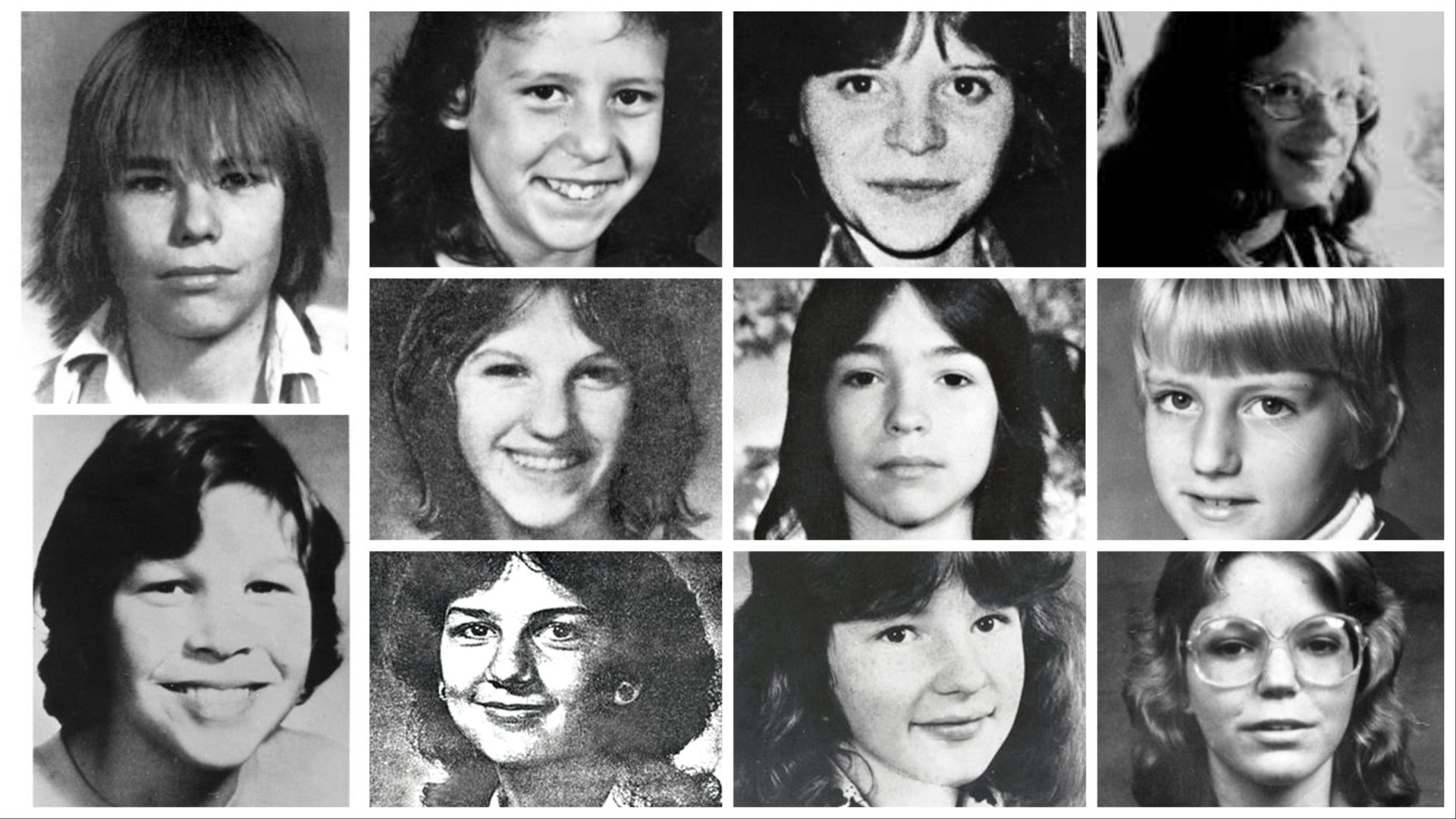
In 1982, Olson had been convicted of murdering eleven children and teenagers; the eldest was eighteen years-old, the youngest was nine. His hunting patch was lower mainland British Columbia: a place of remarkable natural beauty but also of many a stretch of remote woodlands and quiet logging roads that could provide cover for a predator.
In addition to the distressing number of killings (which many suspect to be an underestimate) and the stomach-churning age of the victims, Olson’s notoriety at the time had been boosted by two major factors. The first was that the concept and unique horror of serial killers had not yet reached saturation point in public consciousness and popular entertainment; at least not in North America. In the early eighties, the public and the media had just gotten to grips with the crimes and pathology of Ted Bundy, and the FBI’s Behavioural Science Unit had only recently completed their database of serial offenders. It would be a while yet before the bureau’s profiling methodology would repeatedly be turned into fodder for film, TV, and true crime podcasts. Indeed, when Clifford Olson was arrested and prosecuted, the prevalent terminology applied in contemporaneous reporting was “mass murderer.” It’s as if language hadn’t yet caught up with the protracted terrors he, and others like him, could inflict on his victims and their communities.
The second factor was a deal struck between Olson and the Royal Mounted Canadian Police, one that many find shocking still today. The RCMP paid the diagnosed psychopathic serial killer $100,000 to lead them to the bodies of his victims. Ten thousand for each set of remains; he threw in an eleventh as a ‘freebie.’ Olson was so proud of negotiating the deal (worth 300,000 in today’s money) that from custody, he called his wife Joan to boast, “Honey, you’re going to be rich.” When the extraordinary agreement made the news, the outrage was white hot and public debate ensnared the country: How dare they spend taxpayer dollars on a child killer? Why couldn’t the Mounties do their job? Maybe it’s better the families get to know where their loved-ones are, instead of always wondering…
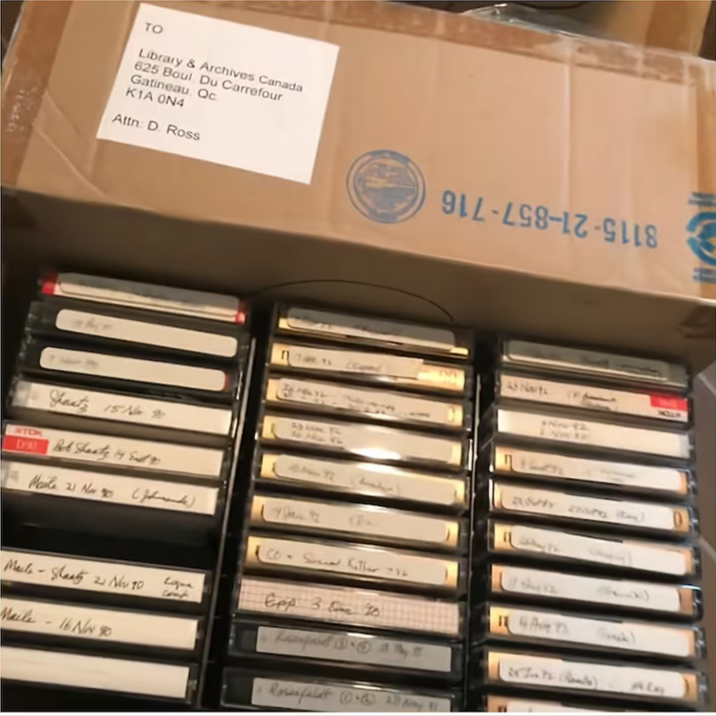
Ten years after making the deal, eventually pleading guilty, and being sentenced to eleven concurrent life sentences, Olson spotted Arlene on the TV. She had been talking about her reporting on Ted Bundy, and he decided to write her a letter.