24th March 2026 marked the 50th anniversary of the beginning of the last Argentine dictatorship. This period, spanning from 1976 to 1983, represents a sensitive and dark chapter in Argentina’s recent history. It is characterized not only by its violence, brutality, and authoritarianism but also by the limited information about the regime that has been made available by subsequent governments.
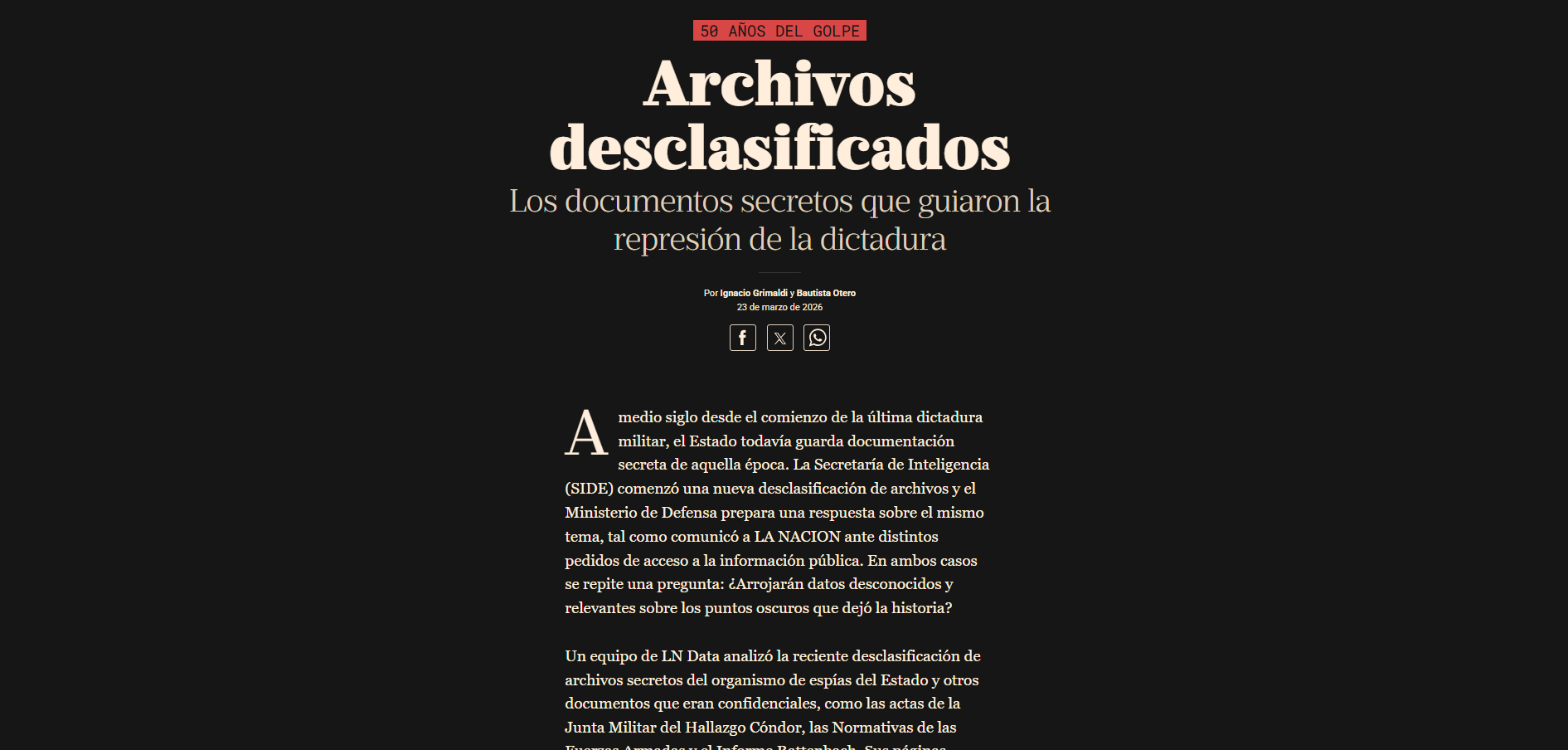
The Milei administration promised on March 24, 2025, to declassify all the archives that the army and other organisms related to the dictatorship have kept confidential since 1983. Nearly a year after that promise, on March 19, and after months of Freedom of Information requests and appeals to the Army, the Ministry of Defense, and the SIDE (State Intelligence Secretariat), the government released a 987-page file with previously classified material. This was combined with other documents declassified over the past decades, resulting in a corpus of 3,587 pages across 11 files.
At LA NACION, we set out to reconstruct the story using these newly available documents, alongside other materials that had been previously declassified by different governments.
The axis of the investigation was to explore what the dictatorship’s confidential archives revealed about its internal operations.
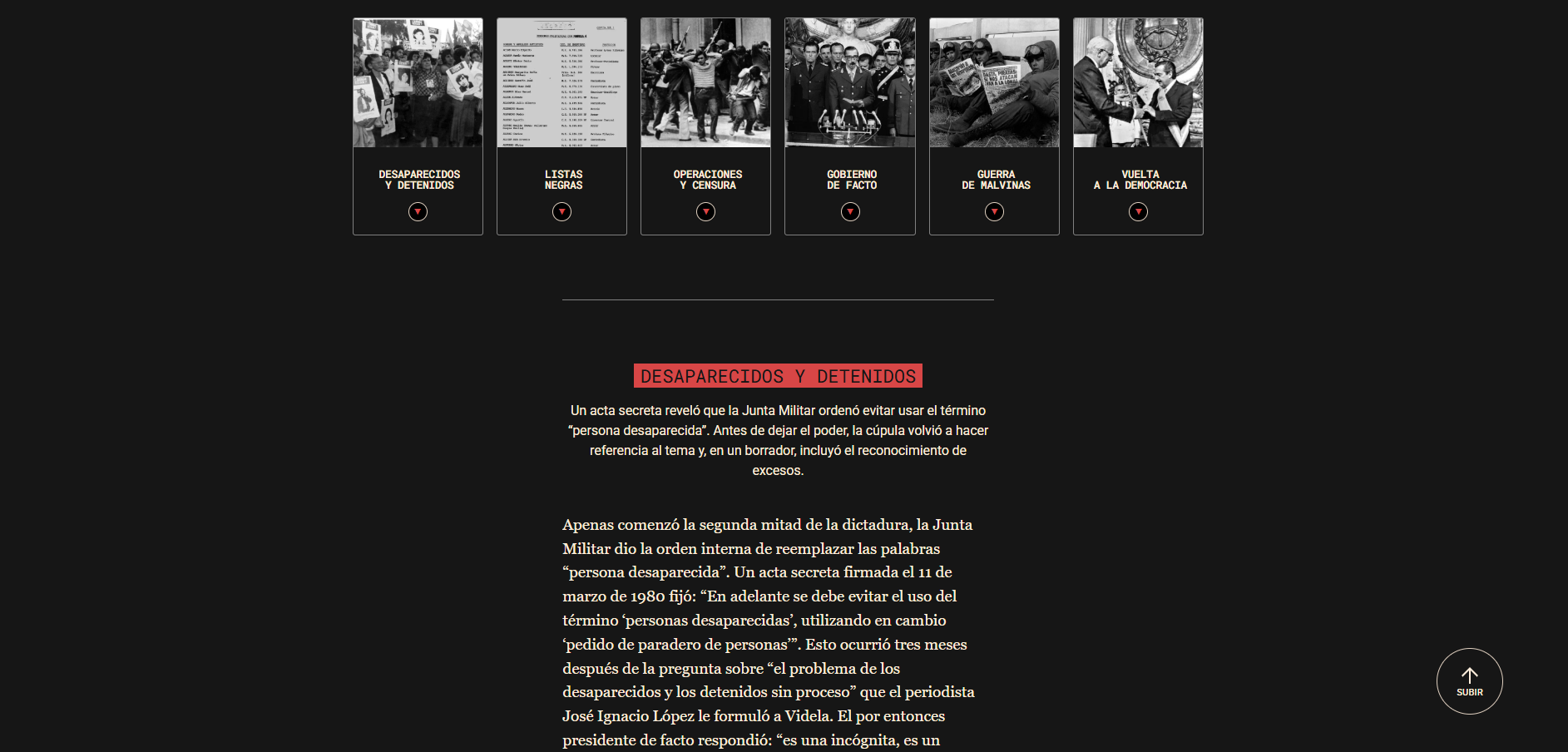
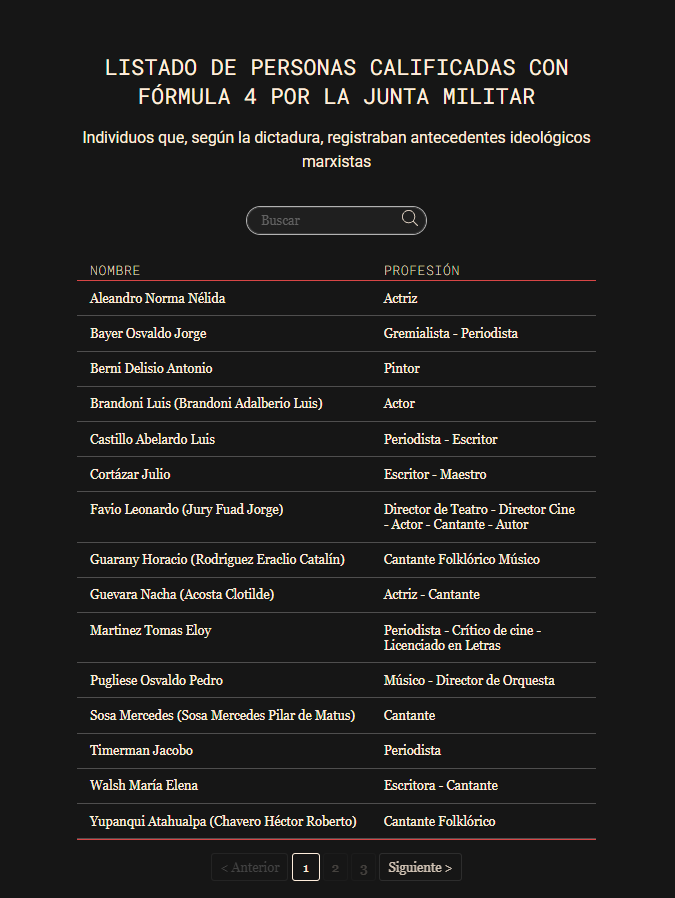
Some of the documents included Armed Forces regulations for dealing with subversives, including procedures for detaining civilians and guidelines for shaping public discourse; alongside blacklists that contained journalists (some of them from LA NACION), actors, musicians, and professors. The SIDE release revealed confidential intelligence instructions for filing and spying on people depending on their political thoughts, family or friends.
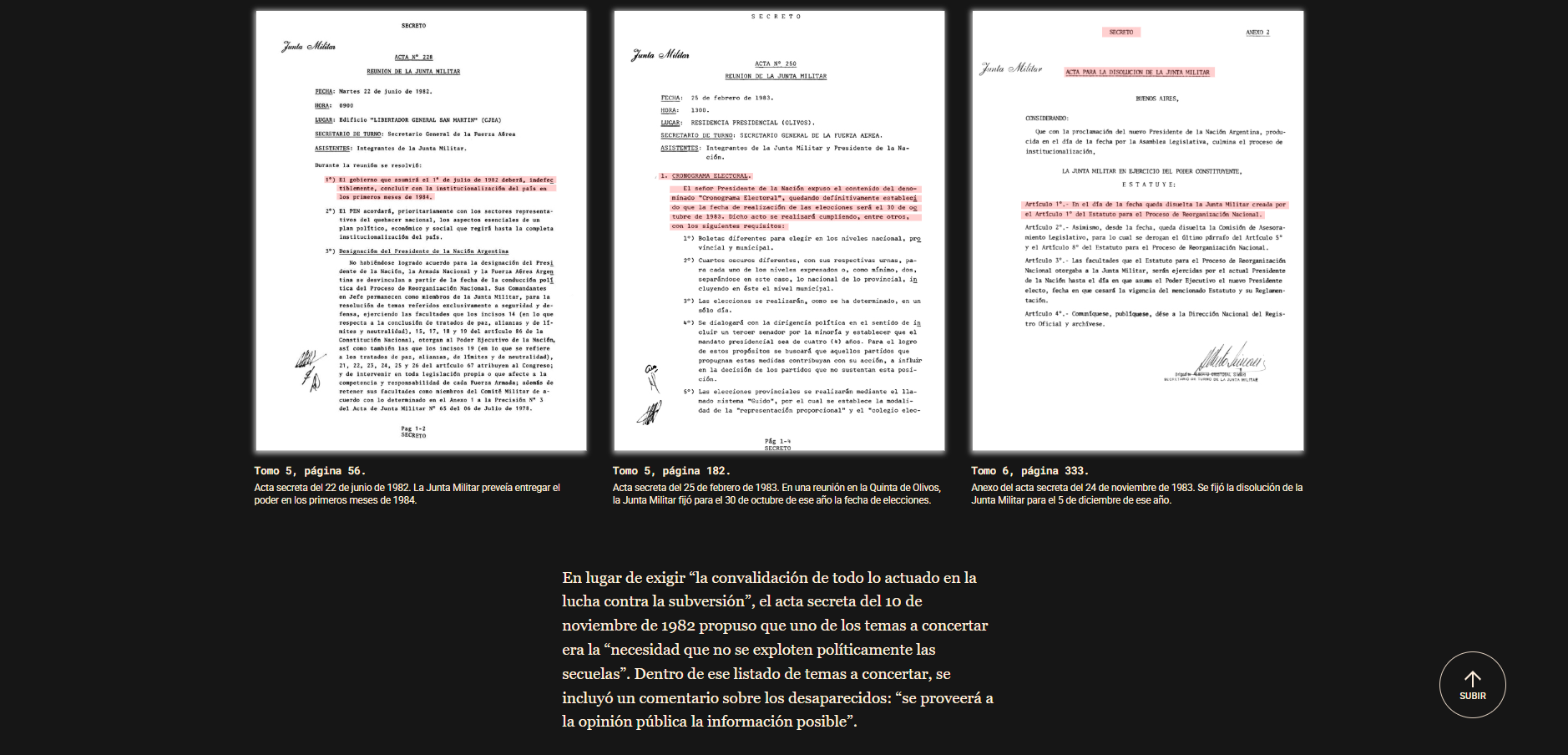
Daily proceedings that featured decisions signed by the military junta were also a big source of information for understanding how decisions were made. These included documents that were discussed but not released, several drafts of subsequently published decrees and multiple debates about what to do with detained people. Additionally, an internal report outlining errors committed during the Malvinas War and several drafts aimed at exonerating the military junta from any potential blame in the future were used.
Due to the complexity and length of the files, a team of journalists read the entire 3,587 pages, categorized them into a series of thematic groups, summed the information related to each group, and selected the pages that most visually represented the contents of the files.
Additionally, a browser was developed, enabling readers to search for the over 300 individuals included in the blacklists. The result was an interactive article where readers could navigate curated excerpts, original scanned pages, and contextual information.
The project transformed a large and fragmented archive into a structured and accessible account of how the dictatorship operated internally. A new way of understanding a piece of our past that had been hidden.